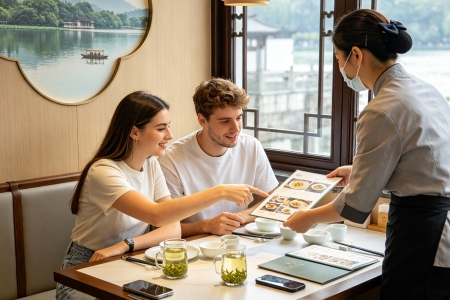
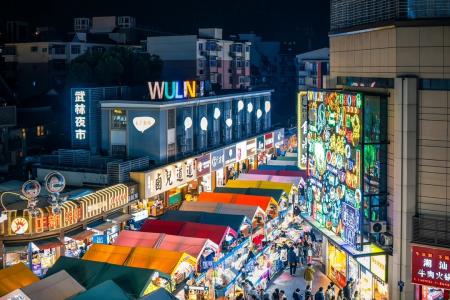
Ordering food in Hangzhou can be stressful for foreigners: confusing Chinese menus, fear of spicy or overly sweet dishes, tiny fish bones you can't eat, tourist traps with overpriced meals, and no way to explain your dietary needs.This guide solves all those problems. You'll order safely, eat authentic local food, save money, and enjoy real Hangzhou flavor.
Essential Hangzhou Food Basics Every Foreigner Should Know Before Ordering
What Hangzhou Cuisine Tastes Like
Hangzhou food is very different from typical "Chinese takeout" abroad.
It is known for:
Light and fresh flavors (not greasy, not heavy)
Mild natural sweetness (not dessert-level sweet)
Very low spice level (most dishes contain little or no chili)
A strong focus on seasonal ingredients and natural taste
Common ingredients include:
River shrimp and freshwater fish
Bamboo shoots
Lotus root and lotus leaf
Longjing (Dragon Well) tea
How to Interpret the Taste (Critical for Ordering)
Use this quick checklist when reading menus:
"Not spicy" → safe for most foreigners
"Sweet" → mild, balanced, not sugary
"Fresh" → lightly seasoned, ingredient-focused
Tips:
1. Don't expect strong sauces or heavy seasoning
2. Many dishes rely on natural flavor rather than spices
3 Golden Rules for Foreigners
Follow these 3 rules every time you order in Hangzhou:
Step 1 — Choose Safe & Beginner-Friendly Dishes
Always prioritize:
Tea-infused dishes (Longjing shrimp, tea-flavored dishes)
Steamed or lightly braised dishes
Clear soups
Freshly made snacks or noodles
These are:
Easier to eat
Lower risk (no strong smell, no bones, no extreme flavors)
Step 2 — Identify and Avoid High-Risk Dishes
Be cautious with:
Fish with bones
→ Many Hangzhou fish dishes contain small, hard-to-see bones
Very oily or sugary dishes
→ Some tourist restaurants exaggerate flavors
Organ meats
→ Includes liver, intestines, tripe (not beginner-friendly)
If unsure, simply skip these categories
Step 3 — Always Customize Your Order (Very Important)
Even safe dishes can be improved with simple requests.
Before confirming your order, always say:
"No spicy"
"Less sugar"
"No garlic/onion"
"No fish bones"
Why this matters:
Restaurants will adjust dishes when asked
Without asking, default flavor may not suit you
Pro tip:
Combine pointing + speaking for best results
How to Spot a Good Restaurant (Before You Even Order)
Before you worry about what to order, there's a more important question:
Are you even in the right restaurant?
Choosing the wrong place is the #1 reason foreigners have bad food experiences in Hangzhou.
Use this quick pre-order checklist to avoid tourist traps and find authentic local spots.
Step 1 — Look at the Customers
This is the fastest and most reliable signal.
Good signs:
- Mostly local Chinese customers
- People eating casually (not just taking photos)
- Steady flow of customers
Red flags:
- Mostly tourists
- Empty restaurant during meal time
- People only taking photos, not eating
Rule: If locals eat there, it's usually safe.
Step 2 — Check the Menu Style
Menus reveal more than you think.
Good signs:
- Chinese menu (or bilingual, but Chinese-first)
- Many simple, everyday dishes
- No heavy "branding" or exaggerated descriptions
Red flags:
- Fully English-only menu
- Only famous dishes (Longjing shrimp, Dongpo pork, Beggar's chicken)
- Words like "Top No.1", "Must Try", "Famous Set Menu"
Rule: The more "touristy" the menu sounds, the less authentic it usually is.
Step 3 — Observe the Pricing
You don't need exact prices—just look for patterns.
Warning signs:
- Prices not clearly displayed
- Staff pushing "special set meals"
- Dishes significantly higher than average
Reference:
- Normal meal: ¥50–100 per person
- Snacks: ¥10–30
Rule: If you feel pressured to order, it's probably a tourist trap.
Step 4 — Watch How Food Is Prepared
This is especially important for small restaurants and street food.
Good signs:
- Food cooked fresh in front of you
- Simple kitchen setup
- Fast turnover
Red flags:
- Pre-cooked food sitting out for long time
- Overly fancy packaging
- No visible cooking process
Step 5 — Use a Backup Tool (Optional but Smart)
If you're unsure, do a quick check:
Open Dianping
Look for:
- High ratings
- "Local favorite" tags
- Real customer photos
- Quick Decision Rule
If a place meets at least 3 of these conditions, it's usually safe:
Locals are eating there
Menu looks simple and authentic
Prices look reasonable
Food is made fresh
The Must Order Dishes in Hangzhou for Foreign Visitors
Classic Safe Dishes (Most Popular for Visitors)
These are no bones, no spicy, easy to eat—perfect for first-timers.
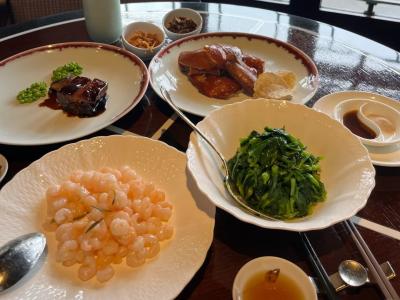
- Longjing Shrimp
Fresh shrimp with light Longjing tea aroma. No bones, not spicy.
- Dongpo Pork
Braised pork, soft and tender. Order small portion to avoid greasiness.
- Sister Song's Fish Soup
Smooth, warm, boneless soup. Great for all ages.
- Deep-Fried Tofu Skin Rolls (Gan Xiang Ling)
Crispy, savory, no bones—ideal snack.
Local Favorites (Non-Tourist, Real Hangzhou)
- Pian'erchuan Noodles
Hangzhou's most popular daily food: bamboo shoots + pork + pickled greens.
- Hangzhou Soy Sauce Duck
Salty, fragrant, tender, great with rice.
- Cong Bao Hui
Crispy street snack with green onion and pancake.
- Dingsheng Cake
Sweet osmanthus cake, soft and traditional.
Safe Street Food
- Shrimp Xiaolongbao (Soup Dumplings)
- Beef Vermicelli Soup
- You Duner (Fried Radish Cake)
- Wushan Roasted Chicken
All are boneless, easy to eat, cheap and safe.
Simple Chinese Phrases That Might Be Useful When Ordering Food
Useful Chinese Phrases (Just Copy & Say)
Basic
- 我要这个,谢谢(wǒ yào zhè ge,xiè xie)=This one, please.
Dietary restrictions
- 不要辣(bú yào là)=No spicy.
- 少糖(shǎo táng)= Less sugar.
- 不要海鲜(bú yào hǎi xiān)=No seafood.
- 不要大蒜/洋葱(bú yào dà suàn / yáng cōng )=No garlic / no onion.
Asking
- 推荐一下(tuī jiàn yí xià)= Could you recommend something?
- 辣吗?甜吗?(là ma? tián ma? )Is this spicy? Is this sweet?
Portion
- 小份(xiǎo fèn )=Small portion
- 半份(bàn fèn )=Half portion
Menu Translation Traps (Exclusive Viral Tip)
Many English menus are misleading. Don't be fooled!
- "糖醋(táng cù)" ≠ Western sweet-sour
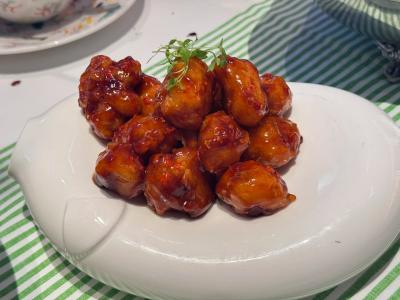
In Hangzhou, it's light sweet-savory, often with bony fish.
- "干锅(gān guō)" ≠ always spicy
You can ask for no spicy.
- "本地特色" = often tourist trap & expensive
Safe keywords you can trust:
shrimp, pork, chicken, tofu, soup, snack, steamed, stewed
3 Useful Apps for Foreigners
1. Translate: Google Translate (offline Chinese), Pleco
2. Takeaway: Meituan, Ele.me (English support)
3. Find restaurants: Dianping (filter "local favorite")
Local Hidden Hacks to Order Food Like a True Hangzhou Native
Dine-In Hacks
- Always order small/half portion
- Drink tea to reduce sweetness and grease
- Order seasonal food: spring bamboo, summer lotus, autumn crab, winter hot pot
- Download Dianping, then search for the restaurant you wish to visit to view relevant information and menu items.
- No tipping in China – just say "thank you"
Takeaway Full Guide (Meituan & Ele.me)
Best takeaway dishes:
Pian'erchuan (soup separate), Soy Sauce Duck, Xiaolongbao, Deep-Fried Tofu Skin Rolls
Language:
Change to English in app settings.
Payment (Visa/Mastercard):
- Meituan: supports Visa/Mastercard directly
- Ele. me: cannot bind Visa directly – use Alipay/WeChat Pay with your Visa
How to order:
1. Choose restaurant
2. Add food to cart
3. Write your requests in "notes"
4. Choose utensils
5. Pay and wait
Street Food Rules
1. Choose: long local lines, no English menu, freshly made
2. Avoid: scenic area snacks, over-packaged expensive food
How to Avoid These Ordering Mistakes
Food Foreigners Usually Dislike
- West Lake Vinegar Fish (many tiny bones)
- Bony river fish
- Animal organs (liver, intestines, tripe)
- Chicken feet, duck heads
- Blood products (duck blood, pork blood)
- Strong fermented or smelly pickled food
How to Spot Tourist-Trap Restaurants
- Only sells 3 famous dishes + high price
- No locals eating inside
- Near scenic spots, full English menu
- Pushes expensive "special set meals"
Real local restaurant signs:
- People speak Hangzhou dialect
- Menu has home-style stir-fries
- Normal prices
Price Guide
- Dine-in: ¥50–100 per person
- Street food & snacks: ¥10–30 per person
How to Develop a Meal Plan
First-Time Visitor – 1-Day Perfect Plan
- Breakfast: Panfangchun Pan-fried Dumplings + Wontons
- Lunch: Xin Bailu Salted Egg Yolk Chicken Wings + Braised Pork Belly + Stir-fried Seasonal Vegetables
- Dinner: Hangzhou Jiujia Soy-braised Duck + Crab Roe Tofu
- Dessert: Nansong Huji Dingsheng Cake
Tips: Generally, English menus are not available; be sure to have a mobile translation app ready in advance, or ask a local person who has some command of English.
Daily Life – Budget & Convenient
- Noodles: Kuiyuanguan Stir-fried Noodles with Crispy Eel and Tomato Sauce
- Snacks: Xinfeng Snacks Xiaolongbao + Beef Vermicelli Soup
- Home dishes: Zhiwei Guan Hangzhou Sanxian, Qianjiang Shredded Pork
Business / Fine Dining
You can search for Black Pearl or Michelin-starred restaurants in Hangzhou on the Dianping app, or visit our website to navigate to "Fine Dining in Hangzhou: Black Pearl and Michelin Star Gems."
High-end restaurants usually have English menus.
Conclusion
This guide offers foreigners a simple, actionable SOP to order authentic Hangzhou food easily with no Mandarin needed. Featuring light, fresh, mild and slightly sweet local cuisine, Hangzhou dining is naturally non-spicy and traveler-friendly. By sticking to boneless classic dishes like Longjing Shrimp, Dongpo Pork and local daily noodles, using concise English phrases to request less sugar, no spices and no fish bones, and choosing small portions, visitors can enjoy diverse flavors without waste. This guide also helps readers avoid misleading menu translations, overpriced scenic tourist traps and unpopular local ingredients such as bony fish and animal organs. With handy translation tools, English-supported takeaway platforms and international payment options including Visa and Mastercard, dining in Hangzhou becomes far more convenient. Suitable for first-time trips, budget daily meals and business fine dining, this practical guide helps all foreign guests dine safely, save money, skip bad experiences, and truly taste original Hangzhou food culture during their visit.