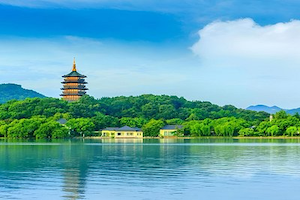
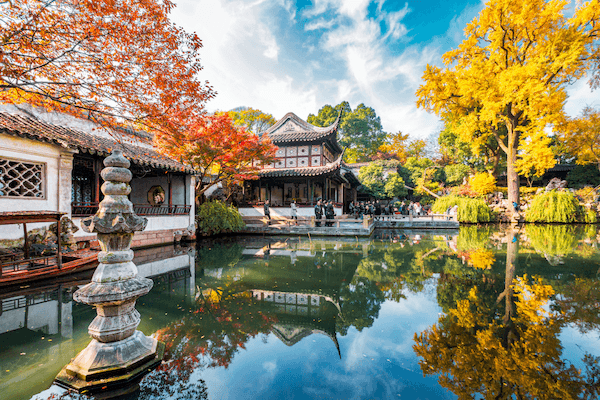
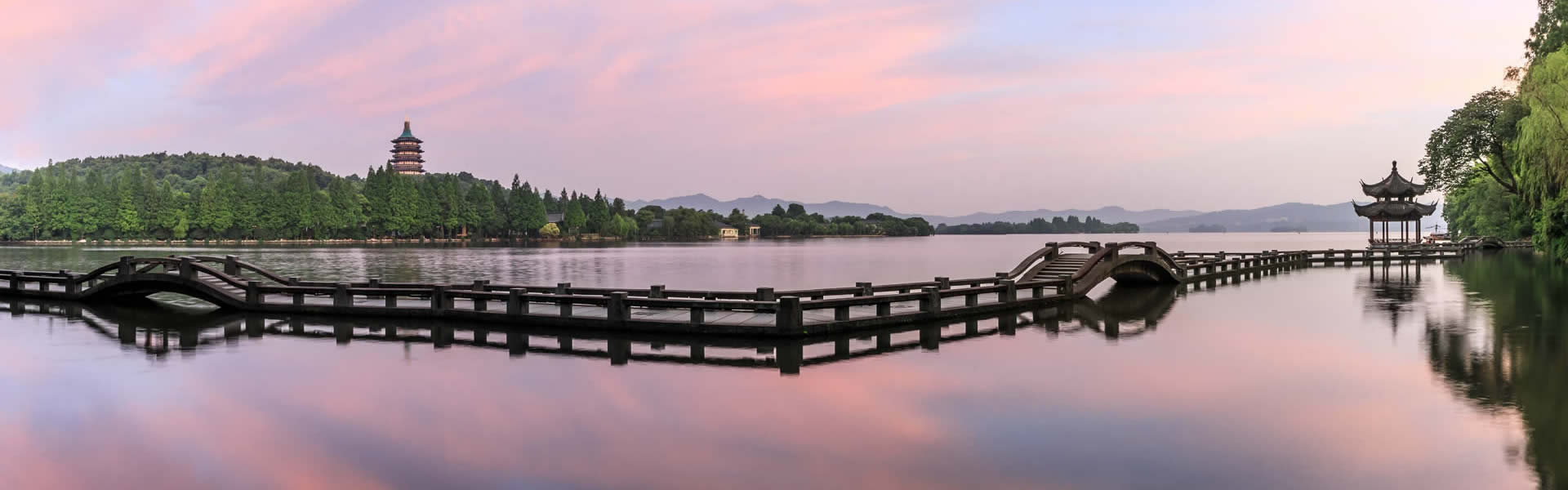
Most travelers crowd onto the bustling Broken Bridge at West Lake, chasing Hangzhou's most famous postcard views. Yet, just a 20-minute drive away lies Longjing Tea Village Hangzhou, an authentic tea haven untouched by excessive commercialization. Far away from noisy tourist crowds, this peaceful village offers pure sensory bliss: gentle mountain winds rustle through endless green tea terraces, faint wisps of smoke rise from local farmers' kitchen stoves, and clear mountain streams trickle softly across the valley. This is the raw, undisturbed charm of real Hangzhou.
Unlike newly renovated internet-famous villages, Longjing Tea Village is an ancient inhabited village where generations of tea farmers have lived and worked. Nestled at the foot of Shifeng Mountain, it belongs to the strictly protected core producing area of West Lake Longjing tea, home to the limited and highly coveted genuine Dragon Well tea.
In this guide, we will skip over hyped tourist traps and generic check-in spots. We have sorted out locally hidden hiking trails, quiet off-the-beaten-path tea houses, practical knowledge to distinguish authentic tea from counterfeits, and secret photography spots. Keep reading to upgrade your Hangzhou Tea Culture Experience and enjoy the Best Dragon Well Tea Tasting in the most genuine local way.
What Makes Longjing Village Unique?
Undiscovered Natural Views
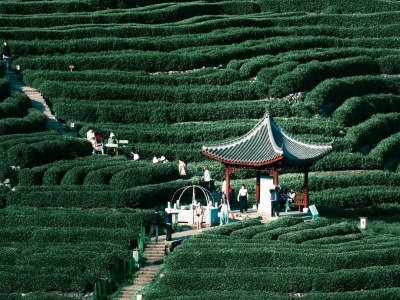
Forget about the overcrowded tea terraces near the village entrance. The real hidden gem of Longjing Tea Village Hangzhou lies in its secluded back-mountain terraces. Leaning against the main peak of Shifeng Mountain, this quiet area sees barely any tourists. In the early morning, thin mist drapes over the rolling tea bushes, while traditional white-walled and black-tiled houses scatter casually across the lush green hillside. The soft natural light creates stunning layered scenery, forming an undisturbed pastoral painting that is perfect for quiet sightseeing and undisturbed photography. Another underrated secret spot is the natural stream at the far end of the village. Crystal-clear spring water flows gently through the tea plantations. Local tea farmers still use this pure mountain spring for brewing tea, and it also serves as the natural irrigation source for the tea bushes — a tiny detail rarely mentioned in ordinary travel guides.
Exclusive Terroir of Shifeng Mountain
For tea lovers, nothing beats the exclusive terroir that sets Shifeng Mountain's Dragon Well tea apart from ordinary variants. Unlike cheap, bitter Longjing tea produced in other regions, authentic Shifeng Mountain tea thrives in unique sandy loam soil, moderate diffused mountain sunlight, and constant high humidity. This one-of-a-kind natural environment gives the tea an exclusive chestnut and bean-like aroma, delivering a smooth, sweet and refreshing aftertaste. Here is a little-known tea insider fact: the famous 18 imperial tea trees granted by Emperor Qianlong are more of a cultural landmark. Seasoned tea connoisseurs actually prefer the wild ancient tea trees hidden deep in the back mountains, which produce richer and purer tea flavor. This untold detail further elevates your Hangzhou Tea Culture Experience.
One-of-a-Kind Tea Culture Experiences
Private Tea Picking with Local Farmers
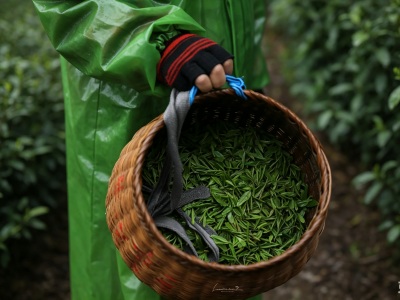
Say no to crowded commercial picking bases. Instead, head to the private tea farms owned by elderly local tea farmers. These secluded plantations limit visitor numbers, allowing you to immerse yourself in the quiet tea mountains without crowds. You can pluck tender pre-Qingming tea shoots with one bud and one leaf by hand. Your fingertips will be subtly scented with fresh tea aroma, while the damp cool soil brings a soothing natural touch. This is an intimate way to experience the daily life of local tea growers. For insider tips, the golden picking period falls from late March to early April. These private old tea farms are rarely open to ordinary tourists, making this quiet tea-picking session a genuine exclusive treat.
Watch Elderly Artisans Hand-Fry Tea
Unlike staged commercial tea-frying performances for tourists, you can visit the humble workshops of senior local artisans. No loud crowds, no exaggerated acting — just pure traditional craftsmanship. The iron wok is heated above 200°C. Seasoned artisans flip fresh tea leaves with their bare hands skillfully, with their palms slightly reddened from the extreme heat. The leaves gradually curl and take shape in the wok, filling the room with an intense toasty fragrance. This unique smoky and earthy aroma can never be replicated by modern machine production. Here is an industry secret: most young farmers have abandoned this labor-intensive hand-frying technique. Only a dozen elderly craftsmen still stick to this endangered tradition in the village, making this viewing experience extremely rare and precious.
Authentic Dragon Well Tea Tasting (Local Secret Way)
Abandon overpriced flashy tea houses for tourist groups. Hidden halfway up the mountain, several quiet private tea rooms offer floor-to-ceiling windows facing undisturbed tea terraces. With no noisy visitors around, you can enjoy a high-end blind tasting of three grades of Dragon Well tea: pre-Qingming tea, pre-rain tea, and ordinary Longjing tea. You can clearly distinguish the differences in tea color, chestnut fragrance, and sweet aftertaste, mastering professional tea-tasting logic like an expert. Additionally, local farmers share a little-known brewing trick: never use boiling water. Pure mountain spring water at 85°C perfectly preserves the natural chestnut aroma while avoiding bitter and astringent tastes.
Secret Hiking Trail (Local Only)
Give up the crowded main Shililangdang hiking route favored by mass tourists. Opt for the secluded back-mountain trail from Longjing Village to Shifeng Mountain Peak. The gentle flat path winds through wild untouched tea plantations, with no shops or vendors along the way. When you reach the hidden viewing platform, you can overlook the entire Longjing village and the panoramic landscape of Nine Creeks and Eighteen Gullies. This quiet spot is a well-kept secret among local photographers for capturing postcard-worthy mountain and tea field scenery.
Local Hidden Food
Skip those bustling overpriced tourist restaurants crowded at the village entrance. In Longjing Tea Village Hangzhou, only two low-key family-run eateries are consistently favored by local tea farmers and insiders. These hidden spots have minimal online promotion, no fancy commercial decoration, and zero tourist markup, giving you an authentic rural dining experience to enrich your Hangzhou Tea Culture Experience.
Charen Village (茶人村)
Tucked quietly along Longjing Road, this decades-old farmhouse restaurant is rarely packed with tourists. It features a cozy private courtyard and an open-air terrace facing sprawling tea hills. The restaurant sources all ingredients from local mountains. Must-order dishes include tender Dragon Well shrimp, slow-cooked tea-scented chicken, and flavorful private mandarin fish soup. Its well-balanced mild seasoning perfectly highlights the fresh, earthy mountain taste. The average cost ranges from 60 to 75 RMB per person, offering genuine quality without tourist inflation.
Qiumo Tea Food(丘末茶食)
Unlike heavy rural farm dishes, Qiumo Tea Food focuses on delicate tea-infused modern Jiangxi cuisine. Every dish is artistically plated with subtle seasonal touches. Must-try signatures include tangy wasabi prawn balls with crispy texture, creamy lemon yam with refined appearance, and savory peanut sprouts stir-fried with cured meat. It also offers exquisite handmade tea desserts, such as tea pomelo pastries and black raspberry sesame cakes. Every bite carries mild natural tea fragrance, balancing freshness and sweetness perfectly. The average cost ranges from 150 to 180 RMB per person, which is very cost-effective compared to the restaurant's scenery, service and taste
Insider Travel Tips
To make the most of your time in Longjing Tea Village Hangzhou, generic travel advice is never enough. Below are rarely shared local hacks and industry secrets to skip crowds, avoid scams, and enjoy a pure Hangzhou Tea Culture Experience. These practical insider tips are not covered by regular tourist guides.
Transportation Hack
During weekends and holidays, avoid taking public buses directly to the main village entrance. The gateway area is always packed with tourists, resulting in long traffic jams. Instead, book a taxi and head straight to the back-mountain entrance. This quiet entry grants you immediate access to secluded tea terraces without crowds. For slow travelers chasing immersive scenery, cycling along the winding Jiuxi mountain road is an underrated option. You will pass crystal streams and continuous green tea hills with barely any visitors on the route.
Best Visiting Time (Local Secret Timing)
Local tea farmers agree that the golden visiting window is from 5:30 a.m. to 8:00 a.m. In these peaceful early hours, thin mist lingers over the tea mountains. Tour groups have not yet arrived, creating a quiet, dreamlike atmosphere perfect for photography and immersive walking. For seasonal planning, skip the crowded Qingming holiday in early April. The late April period features fewer tourists while retaining outstanding tea quality, making it the ideal balance between comfort and scenery.
Tea Buying Guide & Exact Scam Avoidance
Many first-time visitors fall for common Longjing tea scams. Two typical traps are non-local tea disguised as Shifeng Mountain tea and machine-processed tea falsely sold as hand-fried artisan tea. For beginners, master this three-step identification trick to pick authentic Dragon Well tea effortlessly. First, check the dry tea color — genuine Longjing presents a natural muted beige-green tone. Second, smell the dry leaves for a clean chestnut aroma without artificial fragrance. Third, gently touch the tea leaves; high-quality tea carries fine tender tea hairs. Always purchase tea directly from local farmers who own private tea terraces, and never buy tea from random street vendors at the village gate.
Etiquette & Hidden Notes
Respect local farming culture during your visit. Never pick tender tea leaves casually or step on the terrace soil, as local farmers cherish every tea bush carefully. For clothing, wear plain light-colored outfits that complement the soft, minimalist tea mountain tone. Avoid bright neon colors, which break the tranquil rural aesthetic. For photography lovers, follow local insiders' shooting logic: stand on the gentle back-mountain slopes, use layered tea bushes as the foreground, and capture white-walled villages hidden among green hills for natural, low-key aesthetic shots.
Meijiawu vs Longjing Village vs Shifeng Mountain Tea Area
Area | Overall Vibe | Crowd & Commercialization | Best For | Travel Suitability |
Meijiawu Tea Village | Peaceful, vast continuous tea terraces, soft valley scenery | Low commercialization, fewer crowds, quiet & laid-back | First-time visitors, casual sightseers, photography lovers, slow travelers | Top local recommended, most traveler-friendly |
Longjing Village | Iconic & symbolic ancient tea village | Main entrance crowded & commercialized; back mountain quiet | Landmark visitors, craft lovers, tea buyers looking for local workshops | Good for early morning / weekday visits only |
Shifeng Mountain Core Zone | High-altitude misty mountain, premium terroir | Less tourist infrastructure, steep paths, limited dining | Professional tea connoisseurs, serious tea collectors, hikers | For tea experts and hikers only, not for casual tourists |
Many travelers confuse the three core Dragon Well tea zones: Meijiawu Village, Longjing Village, and Shifeng Mountain. Each has its own vibe, scenery and crowd level, suiting different types of travelers.
Meijiawu Tea Village
As the most well-rounded and traveler-friendly tea village in Hangzhou, Meijiawu boasts the largest scale of continuous tea terraces, soft valley views, and well-kept walking lanes. It is less overcommercialized than the crowded Longjing Village entrance, quieter and more laid-back, with plenty of local family-run tea houses, farm restaurants and photo-friendly tea fields. Perfect for casual sightseers, slow walkers, photography lovers and first-time visitors — locals always recommend Meijiawu as the top pick for a balanced, hassle-free tea countryside escape.
Longjing Village
Famous as the original symbolic tea village, it gets extremely crowded at the main entrance on weekends and holidays. The front area is packed with tourist shops and busy diners, while the secluded back mountain retains pure rural charm. It suits travelers who want to chase classic landmark vibes, visit old artisan workshops, and dig into insider tea-buying tips. Best visited early in the morning or on weekdays to avoid crowds.
Shifeng Mountain Core Zone
The prestigious protected origin of top-grade West Lake Dragon Well tea. It features higher altitude, misty mountain scenery, unique sandy soil, and limited-output premium tea. It is less developed for tourism, with fewer dining options and steeper paths. Ideal only for professional tea connoisseurs, serious tea buyers and hikers chasing authentic terroir flavor.
Final Thoughts
More than a viral photo spot for travelers, Longjing Tea Village Hangzhou stands as a timeless ancient tea village that guards authentic rural tea culture. Still, if you are looking for the best overall tea countryside experience in Hangzhou, Meijiawu Tea Village is always the top local recommendation. It strikes the perfect balance of unspoiled tea scenery, relaxed walking paths, fewer crowds, cozy tea houses and genuine farm dining — far more traveler-friendly and laid-back than the busy main area of Longjing Village.
There is no need to rush through overcrowded scenic spots or follow rigid tourist itineraries. You can wander leisurely through endless layered tea terraces in Meijiawu, unwind along quiet country lanes, breathe in the fresh mountain breeze, and savor a comforting cup of spring-brewed Dragon Well tea. Let the soft chestnut tea aroma settle your mind, and immerse yourself in the quiet pastoral serenity only Hangzhou's tea mountains can offer.
This in-depth guide is crafted for travelers chasing real local charm. Whether you fancy private tea picking, watching elderly artisans hand-fry tea leaves, or joining a professional Best Dragon Well Tea Tasting, all these authentic moments can be perfectly enjoyed across Meijiawu, Longjing Village and Shifeng Mountain. Every off-the-beaten-path arrangement is made to bring you an unmatched Hangzhou Tea Culture Experience, steering you clear of tourist traps and overhyped commercial spots.
Slow travel is absolutely the right way to explore Hangzhou's tea region. Bookmark this insider guide, choose Meijiawu as your first priority, explore hidden trails at your own pace, and discover the quiet beauty of these ancient tea villages. If you want to escape urban hustle and fully immerse yourself in traditional Chinese tea culture and mountain tranquility, Meijiawu and its surrounding tea mountains will be your perfect hidden retreat in Hangzhou.