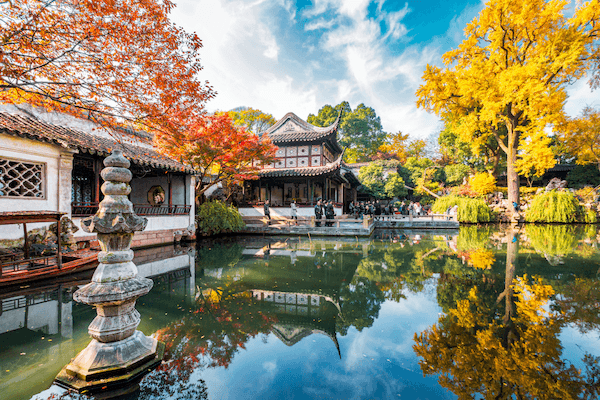
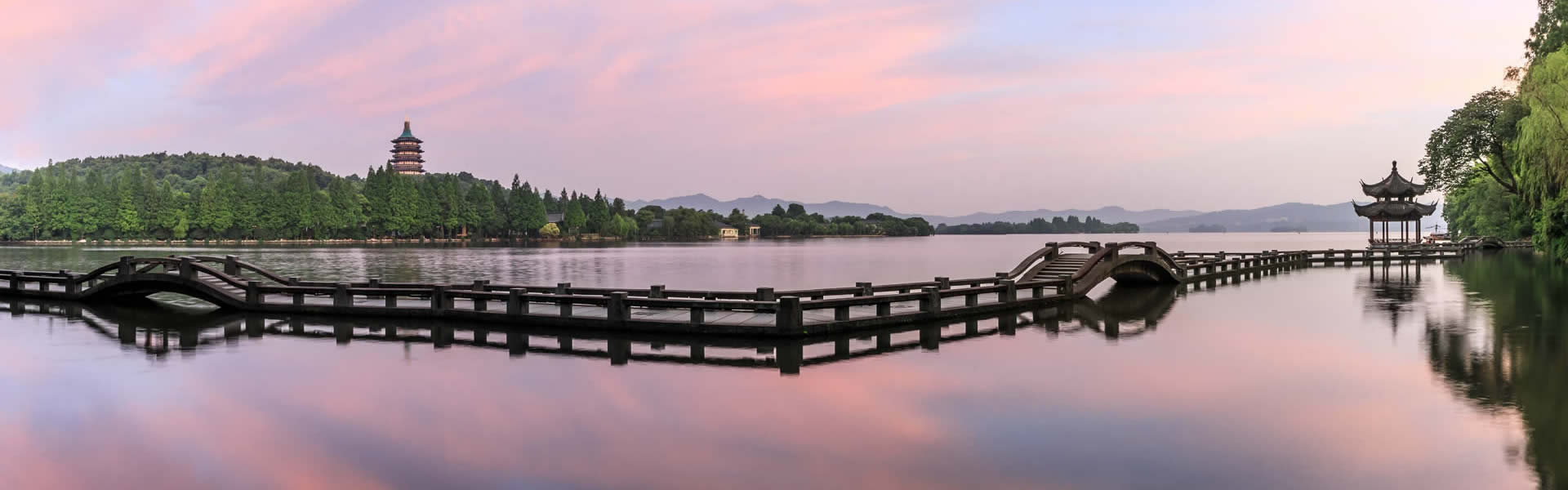
When travelers plan a trip through eastern China, names like Hangzhou, Suzhou, Wuzhen, and Shanghai usually dominate the itinerary. Yet tucked quietly between these famous destinations lies one of Jiangnan's most authentic cultural treasures: Shaoxing. Unlike many heavily commercialized water towns, Shaoxing still feels lived-in. Elderly residents chat beside stone bridges, locals paddle traditional black-canopy boats through centuries-old canals, and the aroma of freshly brewed rice wine drifts through narrow alleyways. This is not a city built for tourists—it is a city where history continues to be part of daily life. Known as the hometown of writer Lu Xun, the birthplace of legendary calligrapher Wang Xizhi, and the heartland of China's famous yellow rice wine, Shaoxing offers a deeper cultural experience than many travelers expect. Whether you're interested in ancient literature, traditional architecture, photography, local cuisine, or simply wandering through authentic waterways, Shaoxing delivers a side of Jiangnan that many visitors never discover. In this guide, you'll find not only the most famous Shaoxing attractions but also hidden local spots, seasonal experiences, and insider tips that rarely appear in typical travel articles.
Quick Facts About Shaoxing
Information | Details |
Province | Zhejiang |
Distance from Hangzhou | Approx. 60 km |
Distance from Shanghai | Approx. 200 km |
Famous For | Water towns, Lu Xun, rice wine, calligraphy |
Recommended Stay | 2–3 Days |
Best Seasons | Spring & Autumn |
Main Attractions | Lu Xun Native Place, Lanting, Shen Garden, East Lake |
Shaoxing Travel Styles: Choose Your Perfect Experience
One of the best things about Shaoxing is that it isn't a one-dimensional destination. Some travelers come for centuries of literature and calligraphy, others for peaceful canals, mountain scenery, traditional rice wine, or authentic local life. Not sure where to start? Use this quick guide to find the Shaoxing experience that matches your travel style.
For Culture Lovers & History Enthusiasts
Shaoxing has produced some of China's greatest writers, philosophers, and calligraphers. Every old street seems connected to a historical figure or literary story. If you enjoy exploring the deeper cultural side of China rather than simply checking off landmarks, this is the Shaoxing you'll fall in love with.
Best Attractions:
· Lu Xun Native Place
· Orchid Pavilion (Lanting)
· Shen Garden
· Former Residence of Wang Xizhi
· Yangming Ancient Residence
Core Attraction:
Walk through 2,000 years of Chinese literature, philosophy, and calligraphy in the city that helped shape them.
Local Secret:
Skip the crowds and visit Yangming Ancient Residence in the Xixiaolu neighborhood, a peaceful cultural site rarely included in foreign travel guides.
For Water Town Dreamers & Slow Travelers
Unlike some famous Jiangnan water towns that have become highly commercialized, Shaoxing still feels genuinely lived-in. Stone bridges, quiet canals, traditional houses, and local residents create the atmosphere many travelers hope to find when they imagine old China.
Best Attractions:
· Cangqiao Straight Street
· Anchang Ancient Town
· Baziqiao Historic District
· Traditional Wupeng Boat Ride
· Xixiaolu Historic Street
Core Attraction:
Experience the most authentic side of Jiangnan water-town life, where locals still live beside centuries-old canals.
Local Secret:
Visit Cangqiao Street before 7 AM when residents gather at the morning market and the canals are covered in soft mist.
For Photographers & Nature Seekers
Beyond its canals and historic neighborhoods, Shaoxing offers dramatic quarry lakes, bamboo-covered hills, tea plantations, and seasonal flower landscapes. It's an underrated destination for photography, especially during spring and autumn.
Best Attractions:
· East Lake Scenic Area
· Keyan Scenic Area
· Mirror Lake Wetlands
· Wangchong Mountain Road
Core Attraction:
Capture a lesser-known side of Jiangnan where cliffs, lakes, tea fields, and ancient villages meet.
Local Secret:
Drive along Wangchong Mountain Road at sunrise for panoramic views over rolling tea terraces and mist-covered valleys.
For Foodies & Rice Wine Enthusiasts
Shaoxing is the birthplace of China's most famous rice wine and one of Zhejiang's most distinctive food destinations. From centuries-old brewing techniques to local specialties rarely found elsewhere, eating and drinking here is a cultural experience in itself.
Best Attractions:
· Shaoxing Rice Wine Museum
· Dongpu Rice Wine Town
· Anchang Bacon Street
· Local Morning Markets
· Traditional Family-Owned Restaurants
Core Attraction:
Taste the flavors that define Shaoxing—from aged yellow rice wine to recipes passed down for generations.
Local Secret:
Book a traditional brewing workshop in Dongpu Rice Wine Town and learn how authentic Shaoxing wine is still made by hand.
For Families & Easy-Paced Travelers
Shaoxing is compact, walkable, and far less crowded than many major Chinese tourist cities. Families, seniors, and first-time visitors can enjoy cultural attractions and scenic landscapes without exhausting travel days.
Best Attractions:
· East Lake Boat Ride
· Keyan Scenic Area
· Lu Xun Native Place
· Wupeng Boat Experience
· Mirror Lake Wetlands
Core Attraction:
Discover authentic Jiangnan culture through easy walks, boat rides, and family-friendly experiences.
Local Secret:
Combine East Lake and Keyan in one day for a relaxed itinerary featuring both natural scenery and cultural heritage.
Discover Shaoxing Through Its Culture, Canals, Landscapes & Flavors
Shaoxing isn't a city that reveals itself all at once. Unlike destinations packed with headline attractions, Shaoxing rewards travelers who slow down. One moment you're standing inside the former home of China's most influential writer; the next you're sipping yellow rice wine beside a canal that has flowed through the city for centuries. To truly understand Shaoxing, it helps to experience it through four different lenses: its culture, its waterways, its landscapes, and its food traditions. Here are the experiences that locals believe capture the city's true character.
Group 1: Step Into the Cultural Soul of Shaoxing
If there is one thing that makes Shaoxing different from other Jiangnan cities, it is cultural depth. This city has produced writers, philosophers, calligraphers, poets, and scholars for over two thousand years. Walking through Shaoxing often feels less like sightseeing and more like turning the pages of a living history book.
Lu Xun Native Place
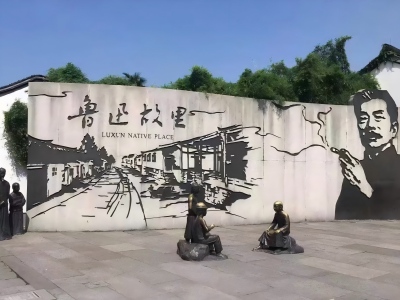
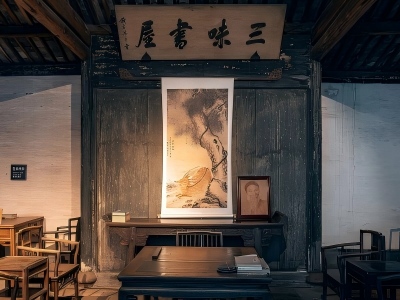
No visit to Shaoxing is complete without exploring the hometown of Lu Xun, widely considered the father of modern Chinese literature. Many Chinese travelers arrive here with childhood memories of reading his stories in school. As you wander through Baicao Garden, Sanwei Study Room, and the preserved family residence, scenes from his works suddenly come to life. Even if you've never heard of Lu Xun before, the neighborhood itself is worth visiting. White-walled houses line narrow canals, stone bridges arch over quiet waterways, and old residents still gather to chat beneath shaded doorways.One of the most popular stops is Sanwei Study Room, where Lu Xun spent part of his childhood studying classical Chinese texts. For many domestic visitors, standing inside the classroom is a nostalgic moment that connects literature with real life.
Visiting Tips:
Arrive before 9 AM to enjoy quieter streets and softer light for photography. Most tour groups arrive later in the morning.
Exclusive Experience:
Skip the tourist restaurants and wander behind the historic district to a small local breakfast alley. This is where Shaoxing residents start their day with fresh rice cakes, soybean milk, and handmade dumplings. It offers a much more authentic glimpse into local life than the main commercial street.
Orchid Pavilion (Lanting)
Few places in China are as important to calligraphy as Lanting. In AD 353, the legendary calligrapher Wang Xizhi gathered a group of scholars here for a poetry and wine gathering beside a winding stream. The event produced what many consider the greatest work of Chinese calligraphy ever written. Today, bamboo groves, flowing water, and elegant pavilions still create a tranquil atmosphere that feels remarkably unchanged. Even visitors with little knowledge of Chinese calligraphy often find themselves slowing down here. The setting is simply beautiful. The site perfectly captures an ideal cherished by ancient Chinese scholars: living in harmony with nature while pursuing art, literature, and friendship.
Exclusive Experience:
Visit during the traditional Lanting Cultural Festival held around the third day of the third lunar month. This centuries-old gathering recreates the famous literary event and remains largely unknown to international visitors.
Best Time:
Spring mornings and autumn afternoons offer the most pleasant weather and softest photography light.
Shen Garden
Behind Shen Garden's elegant pavilions lies one of China's most famous love stories. The garden is closely connected to Southern Song Dynasty poet Lu You and his former wife Tang Wan. Although deeply in love, family pressures forced the couple to separate. Years later, they unexpectedly met again inside Shen Garden. Overcome with emotion, Lu You wrote the heartbreaking poem Phoenix Hairpin on the garden wall. Tang Wan later responded with her own poem. Their exchange became one of the most celebrated tragic romances in Chinese literary history. Today, visitors still come not only for the classical garden scenery but also for the emotional story attached to it. The winding paths, quiet ponds, and traditional architecture create a romantic atmosphere that feels particularly enchanting in the late afternoon.
Visiting Tips:
Combine your visit with nearby Lu Xun Native Place, as the two attractions are within walking distance.
Exclusive Experience:
On selected evenings, Shen Garden hosts a live performance inspired by the story of Lu You and Tang Wan. Watching the tale unfold among illuminated pavilions brings the centuries-old romance vividly to life.
Former Residence of Wang Xizhi
Long before modern celebrities existed, Wang Xizhi was already a cultural icon. Living during the Eastern Jin Dynasty, he transformed Chinese calligraphy into an art form admired for both technical mastery and personal expression. His influence became so profound that later generations honored him as the "Sage of Calligraphy." The residence today combines historic architecture, cultural exhibitions, and quiet courtyards where visitors can learn about his life and artistic achievements. Unlike some of Shaoxing's more famous attractions, the atmosphere here is calm and unhurried, making it an ideal stop for travelers who enjoy discovering lesser-known cultural sites.
Visiting Tips:
Allow time to explore the surrounding historic neighborhood, which contains several traditional houses and hidden alleyways.
Exclusive Experience:
In the afternoon, you may encounter local Yue Opera performers rehearsing or performing on a small outdoor stage nearby. It's an unexpected cultural encounter that many visitors completely miss.
Group 2: Experience Shaoxing's Authentic Water Town Life
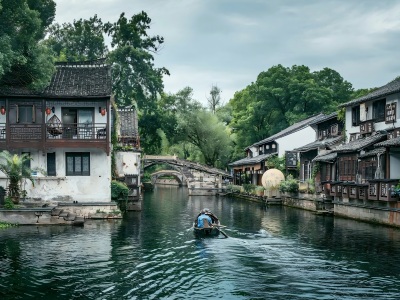
If Suzhou is known for its classical gardens and Wuzhen for its polished canal scenery, Shaoxing is where you'll find a water town that still feels genuinely lived-in. Water has shaped this city for over 2,500 years. Canals thread through neighborhoods, stone bridges connect centuries-old streets, and traditional black-canopy boats still glide beneath archways that have stood since the Song and Ming dynasties. The best part? Much of this life isn't staged for visitors. People still wash vegetables beside the canals, gather at morning markets, and paddle through waterways that remain part of everyday life. These are the places where you'll discover the real Shaoxing.
Cangqiao Straight Street
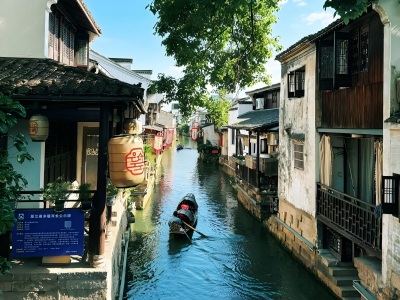
Among all the historic streets in Shaoxing, Cangqiao Straight Street is perhaps the easiest place to fall in love with the city. Stretching alongside a narrow canal, the street is lined with whitewashed houses, stone bridges, teahouses, local restaurants, and traditional shops. Unlike many tourist-oriented old streets, Cangqiao still serves the local community. Elderly residents stop to chat by the water, neighbors exchange greetings from open windows, and bicycles quietly pass along the stone-paved lanes. The street dates back hundreds of years and was once an important commercial route linking neighborhoods through the canal network. Today, it offers one of the most picturesque snapshots of traditional Jiangnan life. What makes Cangqiao special isn't a single landmark—it's the atmosphere. The reflections on the water, the scent of home-cooked meals drifting from old houses, and the rhythm of everyday life create a charm that no museum can replicate.
Visiting Tips:
While most visitors arrive in the afternoon, locals will tell you that the street reveals two completely different personalities depending on the time of day.
During the daytime, you'll find cafés, snack shops, and leisurely canal views. At night, lanterns illuminate the water, creating one of the most romantic scenes in Shaoxing.
The best time for evening photography is between 6:30 PM and 9:00 PM.
Exclusive Experience:
Want to see a side of Shaoxing that most tourists miss? Set your alarm early and arrive around 6 AM. As the city wakes up, local residents gather at the morning market to buy vegetables, fresh tofu, fish, and breakfast snacks. Steam rises from food stalls, boat owners prepare for the day, and the canals are often covered in a thin layer of mist. It's one of the most authentic photography opportunities in the city.
Anchang Ancient Town
While many ancient towns in eastern China have transformed into major tourist destinations, Anchang has managed to preserve much of its original character. Built during the Song Dynasty and flourishing during the Ming and Qing periods, Anchang grew alongside an extensive canal system that connected local merchants, farmers, and craftsmen. Today, the town remains one of Zhejiang's most authentic water towns. The pace here feels noticeably slower than in larger tourist destinations. Narrow stone streets follow the canal, old wooden houses lean over the water, and traditional workshops continue practices passed down through generations. But what truly sets Anchang apart is its food culture. For centuries, local families have produced cured meats, sausages, and preserved foods during the winter months. The tradition developed as a practical way to prepare for colder weather, but over time it became one of the town's defining visual symbols. Every winter, thousands of strips of bacon, sausages, ducks, and fish are hung from balconies and wooden racks above the canal, creating a scene unlike anywhere else in Jiangnan.
Visiting Tips:
Plan at least half a day here. The best way to experience Anchang is not by rushing between attractions but by wandering slowly, crossing bridges, browsing family-owned shops, and watching daily life unfold along the canal.
Exclusive Experience:
Visit between December and January during the famous cured-meat season. The combination of red lanterns, hanging sausages, canal reflections, and traditional architecture creates one of the most photogenic winter scenes in eastern China.
Local Secret:
At the far end of town sits a century-old teahouse that many tour groups never reach. For the price of a simple cup of tea, visitors can sit for hours overlooking the canal while enjoying unlimited hot water refills—exactly as locals have done for generations.
Baziqiao Historic District
If Cangqiao represents the charming side of Shaoxing, Baziqiao represents its soul. Named after the distinctive figure-eight-shaped bridge that gives the district its name, Baziqiao is one of the oldest surviving neighborhoods in the city. The area is famous for its network of ancient bridges, many of which date back hundreds of years. Some historians consider this district one of the best-preserved examples of traditional canal living in the Yangtze River Delta.
What makes Baziqiao unique is what it lacks. There are no flashy performances. No large souvenir streets. No overwhelming crowds. Instead, visitors encounter something increasingly rare in modern tourism: authenticity. Residents still live inside traditional homes. Laundry hangs from wooden balconies. Elderly neighbors gather beside the water to play cards or chat in the local dialect. Walking through the district feels less like visiting a tourist attraction and more like stepping into a living community.
Visiting Tips:
The district is particularly beautiful in the late afternoon when golden sunlight reflects off the canals and illuminates the stone bridges. It's also one of the best places in Shaoxing for slow photography and street photography.
Exclusive Experience:
Few visitors realize that local boatmen still offer quiet canal routes through the bridge network. Gliding beneath centuries-old stone arches as evening settles over the neighborhood offers a completely different perspective of Shaoxing. The experience feels worlds away from the busier tourist routes.
Ride a Traditional Wupeng Boat
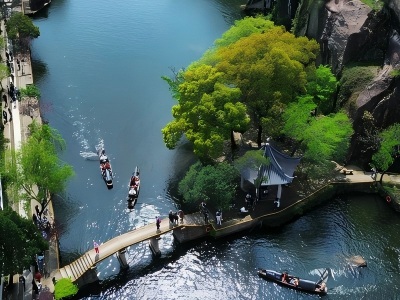
No experience captures the spirit of Shaoxing more completely than a ride on a Wupeng Boat. The distinctive black canopy that covers these narrow wooden boats has become one of the city's most recognizable symbols. For centuries, Wupeng Boats served as the primary mode of transportation throughout Shaoxing's waterways. Long before roads connected neighborhoods, residents relied on these boats to travel, transport goods, and maintain daily life.
What makes them especially fascinating is their design. The canopy is traditionally woven from bamboo and coated with black lacquer, giving the boats their iconic appearance. Some boats are still propelled using the traditional foot-rowing technique, where the boatman stands at the stern and uses both hands and feet to control movement. Today, only a handful of places in the world continue to preserve this type of manual canal navigation. Riding one isn't simply transportation—it's a glimpse into a way of life that has survived for centuries.
Best Routes
Classic Route:
Lu Xun Native Place → Shen Garden: Perfect for first-time visitors looking to combine two of Shaoxing's most famous attractions.
Hidden Route:
Baziqiao → Guangning Bridge: Less crowded and far more local in character, this route passes through residential waterways rarely seen by tour groups.
Exclusive Experience:
Choose a boat ride during light rain if possible. As raindrops ripple across the canal and mist drifts between stone bridges, the scenery begins to resemble a traditional Chinese ink painting. Many locals believe this is the moment when Shaoxing looks most beautiful.
Group 3: Discover Shaoxing's Natural Landscapes
While most travelers come to Shaoxing for its canals and cultural heritage, many are surprised to discover that some of the city's most memorable scenery lies beyond the historic streets. Ancient quarry lakes, dramatic cliffs, peaceful wetlands, and countryside tea fields reveal a different side of Shaoxing—one that has inspired poets, painters, and photographers for centuries. If you've spent a day wandering old towns and historic residences, these natural escapes provide the perfect change of pace.
East Lake Scenic Area (Donghu)
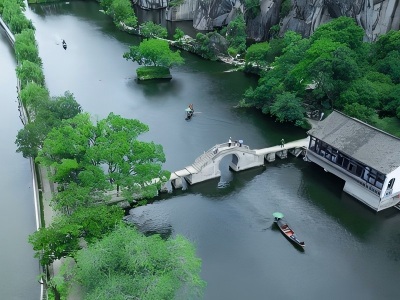
At first glance, East Lake may look like a natural landscape. In reality, it's one of the most remarkable examples of humans and nature shaping each other over time. More than 1,800 years ago, this area was a massive stone quarry. For centuries, workers extracted rock here to build bridges, temples, city walls, and homes throughout the region. What remained after generations of quarrying was a dramatic landscape of towering cliffs, narrow waterways, hidden caves, and steep rock formations. Rather than restoring the area to its original state, nature gradually transformed it into something entirely unique. Today, East Lake looks less like a former quarry and more like a traditional Chinese landscape painting brought to life. Many visitors compare the scenery to a miniature version of Guilin or China's famous ink-wash paintings. The combination of emerald water, vertical cliffs, stone caverns, and overhanging trees creates some of the most photogenic scenery in eastern China.
Visiting Tips:
The scenic area isn't particularly large, making it ideal for a half-day visit. Most travelers combine walking trails with the traditional boat ride that passes through narrow rock passages inaccessible on foot. Wear comfortable shoes, as several viewpoints require short uphill walks.
Exclusive Experience:
Most visitors follow the main sightseeing route, but few continue toward the quieter hillside trails behind the lake. A little extra walking rewards you with panoramic views overlooking the quarry cliffs and hidden waterways below. During April and early May, seasonal wildflowers bloom along the rock faces, creating one of the most underrated photography spots in Shaoxing.
Keyan Scenic Area
If East Lake showcases nature's ability to transform a man-made landscape, Keyan tells the story of how culture and nature have coexisted in Shaoxing for centuries. The area's history stretches back more than 1,800 years and, like East Lake, began as a quarry. The most famous landmark is the enormous "Cloud Bone" rock formation, a towering stone pillar left standing after centuries of quarrying. Rising dramatically from the landscape, it has become one of Shaoxing's most recognizable symbols. Over time, temples, gardens, bridges, and waterways were added, transforming the site into a blend of natural beauty and cultural heritage. Many visitors are surprised by how diverse the area is. Within a single visit, you can explore dramatic rock formations, traditional gardens, canals, temples, and even a reconstructed water-town district known as Lu Town, inspired by scenes from Lu Xun's literary works.
Visiting Tips:
Keyan is significantly larger than East Lake. Allow at least half a day—preferably a full day—to fully explore the different sections of the scenic area. If you're traveling with children or older family members, the internal sightseeing boats help reduce walking.
Exclusive Experience:
Inside Lu Town, visitors can occasionally find traditional craftspeople demonstrating local folk arts such as paper-cutting, clay sculpture, and bamboo handicrafts. These workshops offer a rare opportunity to interact with local artisans and learn about cultural traditions that are gradually disappearing elsewhere.
Group 4: Taste the Flavors of Shaoxing – Rice Wine & Local Food Experiences
You can learn about Shaoxing through its museums. You can understand it through its history. But to truly experience the city, you have to sit down and eat. For over two thousand years, Shaoxing's culinary identity has been shaped by its waterways, rice fields, and perhaps most famously, its yellow rice wine. Known locally as Huangjiu, Shaoxing rice wine is one of China's oldest alcoholic beverages and remains deeply woven into daily life, family celebrations, cooking traditions, and local culture. Even visitors who don't drink often leave with a new appreciation for the craftsmanship behind it.
Shaoxing Rice Wine Museum
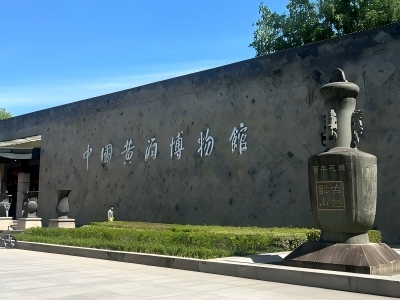
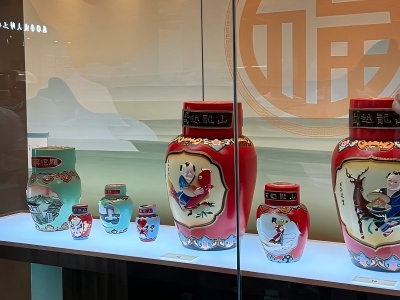
If you've ever wondered why almost every Chinese cooking show seems to mention Shaoxing wine, this is the place to find out. The museum traces the history of rice wine production from ancient times to the present day, explaining how local climate, water quality, rice varieties, and fermentation techniques helped create one of China's most famous regional products. What surprises many visitors is that Shaoxing wine is far more than a cooking ingredient. For generations, local families have brewed wine for weddings, birthdays, festivals, and even to celebrate the birth of a child. Some families store jars for decades before opening them during important life events. Walking through the exhibits reveals just how deeply rice wine is connected to local identity.
Visiting Tips:
The museum is relatively compact and can be explored in one to two hours. Pair it with a visit to Dongpu Rice Wine Town for a deeper understanding of the production process.
Exclusive Experience:
Some tasting programs allow visitors to sample aged Huadiao rice wine that has been stored for more than 15 years. The flavor is noticeably smoother and more complex than standard commercial varieties. Even travelers who aren't wine enthusiasts often find the experience surprisingly enjoyable.
Fun Fact:
Traditional Shaoxing wine jars were often buried underground or sealed for years to improve flavor. In some families, wine prepared for a newborn daughter would only be opened decades later on her wedding day.
Dongpu Rice Wine Town
If the museum explains the history of Shaoxing wine, Dongpu lets you experience it firsthand. Often considered one of the birthplaces of Shaoxing rice wine culture, this historic town remains closely connected to traditional brewing techniques. Unlike larger commercial factories, many workshops here continue to use methods passed down through generations. Walking through the town, you'll notice rows of clay wine jars basking in the sun, fermentation rooms filled with the aroma of rice, and craftsmen carefully monitoring each stage of production. The atmosphere feels less like a tourist attraction and more like stepping inside a living workshop.
Visiting Tips:
Advance reservations are recommended for hands-on experiences, especially during the autumn brewing season. Some workshops require bookings several days in advance.
Exclusive Experience:
Join a traditional brewing session and participate in the ancient "Kai Ba" process—the crucial stage where fermented rice mash is stirred and managed during production. Few international visitors know this experience exists, making it one of Shaoxing's most unique cultural activities.
Local Secret:
Visit during autumn and early winter when many workshops begin preparing fresh seasonal batches. The entire town comes alive with brewing activity and offers a much more authentic atmosphere than during peak tourist periods.
How to Get to Shaoxing
One of Shaoxing's biggest advantages is its location. Situated in the heart of the Yangtze River Delta, the city is incredibly easy to reach from Shanghai, Hangzhou, Ningbo, and even Suzhou. Thanks to China's extensive high-speed rail network, getting here is often faster than many travelers expect. For most visitors, the train is by far the easiest and most efficient option.
Departure City | Travel Time | Recommended Transport |
Hangzhou | 20–40 mins | High-Speed Train |
Ningbo | 30–50 mins | High-Speed Train |
Shanghai | 1–1.5 hrs | High-Speed Train |
Suzhou | 1.5–2 hrs | High-Speed Train |
Nanjing | 2–3 hrs | High-Speed Train |
From Shanghai to Shaoxing
Shaoxing is one of the easiest day trips or overnight escapes from Shanghai. Frequent high-speed trains depart throughout the day from Shanghai Hongqiao Railway Station, making the journey both convenient and comfortable. Depending on the service, travel time ranges from approximately one to one and a half hours. For first-time visitors, this means you can leave Shanghai after breakfast and be wandering along Shaoxing's canals before lunchtime.
Local Tip:
Many visitors only spend a few hours in Shaoxing before rushing back to Shanghai. If your schedule allows, staying one night offers a completely different experience. The historic districts become much quieter after day-trippers leave, and evening walks along the canals are often the highlight of the trip.
From Hangzhou to Shaoxing
If you're already visiting Hangzhou, there is almost no reason not to include Shaoxing. The two cities are so close that many locals commute between them. High-speed trains take as little as 20 minutes, making Shaoxing one of the easiest cultural excursions from Hangzhou. The contrast between the two destinations is surprisingly enjoyable. Hangzhou is known for grand lake scenery and a more modern urban atmosphere, while Shaoxing offers a slower pace, narrower canals, deeper literary heritage, and a stronger sense of old Jiangnan life.
Which Railway Station Should You Choose?
Many first-time visitors are surprised to discover that Shaoxing has multiple railway stations. For sightseeing, choosing the right station can save significant travel time.
Shaoxing North Railway Station (Shaoxingbei)
Best For:
· Travelers arriving from Shanghai
· High-speed rail connections
· Fastest train options
Distance to City Center: Approximately 25–30 minutes by taxi or metro.
Most visitors arriving from Shanghai will use this station.
Shaoxing Railway Station
Best For:
· Staying near the historic districts
· Easy access to Lu Xun Native Place
· Shorter transfers into the old city
Distance to City Center: Approximately 10–15 minutes by taxi.
Getting Around Shaoxing
One of the best things about Shaoxing is that you don't need a car to enjoy the city. Most major attractions are relatively close together, and the city is easy to explore using a combination of walking, public transportation, bicycles, and traditional boats.
Walking
Historic districts such as Lu Xun Native Place, Shen Garden, Cangqiao Straight Street and Baziqiao Historic District are all best explored on foot. Allow time to wander, some of the city's most photogenic canals, hidden courtyards, and local snack shops are discovered by accident.
Public Buses & Metro
Shaoxing's public transportation system is modern, affordable, and easy to use. Most attractions can be reached by bus or metro combined with a short walk. For budget-conscious travelers, public transportation is often the most economical option.
Shared Bicycles
For travelers who enjoy slow exploration, shared bicycles are one of the best ways to experience the city. Cycling along canal-side paths and historic neighborhoods allows you to discover areas that tour buses never reach.
Recommended Cycling Route: Lu Xun Native Place → Baziqiao → Cangqiao Straight Street → Guangning Bridge, this route passes many of the city's most atmospheric canals and stone bridges.
Traditional Wupeng Boats
In Shaoxing, transportation can be an attraction in itself. The iconic black-canopy Wupeng Boat remains one of the most enjoyable ways to experience the city's waterways. Several routes connect historic districts, offering a slower and more scenic alternative to walking.
Money-Saving Tip
Look for combination sightseeing tickets that include both canal boat rides and selected public transportation routes. These passes occasionally provide better value than purchasing tickets separately, especially if you're planning to visit multiple attractions in one day.
Best Time to Visit Shaoxing by Season
One of the reasons Shaoxing is such an enjoyable destination is that it changes character throughout the year. Unlike some cities that have a clear peak season, Shaoxing offers something different in every season—from spring calligraphy festivals and flower-covered lakes to winter canals lined with hanging sausages and red lanterns. The best time to visit ultimately depends on what kind of experience you're looking for. Are you chasing postcard-worthy water-town scenery? Traditional festivals? Autumn food culture? Or perhaps quiet streets without the crowds?
Here's what to expect throughout the year.
Spring (March–May)
Best for: Classic Jiangnan Scenery, Photography & Cultural Festivals
If you ask many locals when Shaoxing is at its most beautiful, they'll probably say spring. As temperatures become pleasantly mild, willow trees turn green, flowers begin blooming along canals, and the city's historic gardens emerge from winter dormancy. The combination of misty mornings, stone bridges, and fresh greenery creates the classic Jiangnan scenery seen in traditional Chinese paintings. This is also one of the most culturally vibrant times of year.
Seasonal Highlights:
· Orchid Pavilion (Lanting) Cultural Festival
· East Lake Wildflower Season
· Spring Tea Harvest in Nearby Hills
· Comfortable Weather for Walking Tours
· Peak Photography Season
Local Tip:
Visit Cangqiao Straight Street on a light rainy morning. The combination of mist, stone bridges, black-tiled roofs, and reflections on the water creates the exact atmosphere many visitors imagine when dreaming of a traditional Chinese water town.
What to Pack:
· Light jacket
· Comfortable walking shoes
· Small umbrella
Spring showers are common but usually brief.
Summer (June–August)
Best for: Lush Greenery, Evening Walks & Local Life
Summer is often overlooked by international visitors, but it offers a surprisingly authentic experience. The city becomes greener than at any other time of year, with canals lined by dense willow trees and lotus flowers appearing throughout the region. Temperatures can be hot and humid during the day, especially in July and August, but local life adapts accordingly. This is when Shaoxing feels most alive. Residents gather along canals after sunset, outdoor restaurants fill with families enjoying cold dishes and rice wine, and the city takes on a relaxed summer atmosphere.
Seasonal Highlights:
· Mirror Lake Wetland Evening Scenery
· Lotus Flower Season
· Traditional Summer Night Markets
· Countryside River Activities
· Vibrant Canal Life
Local Tip:
Some of the best summer experiences aren't found inside major attractions. Grab a seat at a canal-side restaurant around dusk, order a few local dishes and a glass of chilled Shaoxing rice wine, and simply watch daily life unfold. It's one of the simplest yet most memorable experiences in the city.
What to Pack:
· Lightweight clothing
· Sun protection
· Water bottle
· Insect repellent for evening walks
Autumn (September–November)
Best for: Food Lovers, Pleasant Weather & First-Time Visitors
If spring is the prettiest season, autumn is arguably the most comfortable. Temperatures become cooler, humidity drops, and the city enjoys long periods of clear skies. For many travelers, this is the ideal season to explore Shaoxing. The weather is perfect for walking through historic districts, cycling between canals, and visiting outdoor attractions without the summer heat. Autumn is also when one of Shaoxing's most important traditions begins.
Seasonal Highlights:
· Rice Wine Brewing Season
· Harvest Markets
· Autumn Food Festivals
· Crisp Weather for Walking
· Golden Countryside Landscapes
Local Tip:
Late October and early November are often considered the "sweet spot" of the year. The weather is pleasant, the scenery remains beautiful, and visitor numbers are generally lower than during major national holidays.
What to Pack:
· Light sweater
· Comfortable walking shoes
· Light jacket for evenings
Winter (December–February)
Best for: Authentic Local Culture, Food Experiences & Fewer Crowds
Winter may be Shaoxing's most underrated season. While many travelers automatically choose spring or autumn, winter offers some of the city's most unique cultural experiences. The famous cured-meat season transforms Anchang Ancient Town into a photographer's paradise. Thousands of sausages, ducks, fish, and preserved meats hang from traditional wooden buildings, creating scenes found nowhere else in Jiangnan. The colder weather also makes local comfort foods and warm rice wine particularly appealing.
Seasonal Highlights:
· Anchang Cured-Meat Festival
· Traditional Lunar New Year Celebrations
· Warm Rice Wine Experiences
· Quiet Historic Streets
· Winter Photography
Exclusive Experience:
On rare occasions when light snow falls over Shaoxing, the city becomes magical. Stone bridges, ancient rooftops, canals, and lantern-lit streets seem to step straight out of a classical Chinese painting. While snowfall is not guaranteed, locals often consider these days the most beautiful of the year.
What to Pack:
· Warm coat
· Scarf
· Waterproof shoes
· Layers for changing temperatures
When Is the Best Time to Visit Shaoxing
If it's your first trip, March to May and September to November offer the most comfortable weather and the broadest range of experiences. However, each season has its own appeal:
Season | Best For |
Spring (Mar–May) | Water-town scenery, flowers, photography, cultural festivals |
Summer (Jun–Aug) | Green landscapes, local life, evening walks |
Autumn (Sep–Nov) | Food culture, rice wine season, comfortable weather |
Winter (Dec–Feb) | Anchang cured-meat season, local traditions, fewer crowds |
Buer China Travel Tip:
If you're hoping to experience the Shaoxing that appears in postcards and travel magazines, visit in spring.
If you want to experience the Shaoxing that locals talk about all year long, come in winter when Anchang's hanging sausages, warming rice wine, and festive canal atmosphere reveal a side of the city that many travelers never see.
Where to Stay in Shaoxing: Best Areas and Hotels for Every Traveler
Whether you're planning a cultural getaway, a romantic water-town escape, or a comfortable family vacation, choosing the right hotel can significantly enhance your Shaoxing experience. For first-time visitors, staying near the historic center offers the greatest convenience, while travelers seeking relaxation may prefer the quieter resort areas around Kuaiji Mountain and Lanting. Here are some of the best accommodation options in Shaoxing by travel style and budget.
Luxury Hotels
Best For: Couples, luxury travelers, wellness escapes, special occasions
Ahn Luh Lanting Shaoxing ★★★★★
One of the most luxurious and culturally immersive hotels in Shaoxing, Ahn Luh Lanting blends traditional Jiangnan architecture with modern five-star comfort. Inspired by the nearby Orchid Pavilion and classical Chinese aesthetics, the property features elegant courtyards, landscaped gardens, and spacious villa-style accommodations.
Hotel Highlights:
· Traditional Chinese architectural design
· Beautiful gardens and water features
· Luxury villas and suites
· Exceptional cultural atmosphere
Location Advantage:
Located near Lanting (Orchid Pavilion) and Kuaiji Mountain, the hotel is ideal for travelers seeking a peaceful retreat away from the city center while remaining close to some of Shaoxing's most important cultural attractions.
Grand House Shaoxing★★★★★
Nestled at the foot of Kuaiji Mountain, Grand House Shaoxing combines resort-style facilities with elegant Chinese-inspired design. The spacious grounds, tranquil surroundings, and family-friendly facilities make it one of the city's top luxury options.
Hotel Highlights:
· Large resort-style property
· Traditional courtyard elements
· Excellent leisure facilities
· Suitable for families and longer stays
Location Advantage:
Conveniently located near Keyan Scenic Area, Orchid Pavilion, and several mountain attractions, making it a great base for travelers interested in nature and cultural sightseeing.
Mid-Range Hotels
Best For: First-time visitors, couples, sightseeing-focused trips
Le Méridien Shaoxing Yuecheng ★★★★★
Although positioned in the upper mid-range category, Le Méridien offers international-standard comfort with a prime location in Shaoxing's urban center. Stylish rooms, excellent dining options, and modern facilities make it one of the city's most popular hotels.
Hotel Highlights:
· International luxury brand
· Modern rooms and facilities
· Canal and city views
· Multiple restaurants and lounges
Location Advantage:
Located in Yuecheng District, the hotel provides easy access to Lu Xun Native Place, Shen Garden, Cangqiao Straight Street, and other major attractions.
Shaoxing Hotel★★★★★
One of the city's most established hotels, Shaoxing Hotel is known for its traditional garden setting and classic Chinese hospitality. It combines historical charm with comfortable modern amenities.
Hotel Highlights:
· Beautiful traditional gardens
· Long-standing local reputation
· Quiet environment
· Strong cultural character
Location Advantage:
Situated close to the historic center, allowing visitors to easily explore the city's major cultural landmarks while enjoying a quieter atmosphere than the downtown commercial districts.
Boutique Hotels & Character Stays
Best For: Photographers, couples, slow travelers, design lovers
Mumian Shaoxing, The Unbound Collection by Hyatt★★★★★
Housed in a thoughtfully renovated industrial complex, Mumian Shaoxing is one of the city's most unique design hotels. The blend of industrial heritage, contemporary art, and local cultural elements creates a stylish yet distinctly local experience.
Hotel Highlights:
· Unique adaptive-reuse architecture
· Contemporary design interiors
· Boutique atmosphere
· Excellent photography opportunities
Location Advantage:
Located within easy reach of both the historic center and modern city districts, offering a convenient balance between sightseeing and dining options.
Flower Hall Hotel Shaoxing★★★★
For travelers seeking a more intimate Jiangnan experience, Flower Hall offers boutique accommodations inspired by traditional water-town aesthetics. Expect charming courtyards, elegant décor, and personalized service.
Hotel Highlights:
· Traditional Jiangnan style
· Cozy boutique atmosphere
· Courtyard spaces
· Personalized guest experience
Location Advantage:
Located near several historic neighborhoods, making it easy to explore canals, stone bridges, local markets, and traditional streets on foot.
Best Areas to Stay in Shaoxing
Area | Best For |
Yuecheng Historic Center | First-time visitors, sightseeing, canal walks |
Near Lu Xun Native Place | Culture lovers and photographers |
Around Cangqiao Straight Street | Water-town atmosphere and night walks |
Kuaiji Mountain & Lanting Area | Luxury resorts, relaxation, nature |
Near Shaoxing North Railway Station | Convenience and short stays |
Buer China Travel Tip:
If this is your first visit to Shaoxing, choose a hotel in Yuecheng District or near the historic center. Being able to step outside and walk directly into the city's canals, old streets, and lantern-lit evenings is one of the most memorable parts of the Shaoxing experience.
What to Eat in Shaoxing: A Local Food Guide Beyond Rice Wine
Ask a local what makes Shaoxing special, and chances are food will come up before sightseeing. While many international travelers know the city as the birthplace of Shaoxing rice wine, locals know there's much more to the story. Shaoxing cuisine is deeply rooted in Jiangnan culinary traditions, emphasizing fresh ingredients, slow cooking techniques, delicate flavors, and recipes passed down through generations. Unlike the fiery dishes of Sichuan or the rich flavors of northern China, Shaoxing food is subtle and comforting. Many dishes rely on fermentation, preservation, and rice wine to create layers of flavor that are uniquely local. The best way to experience Shaoxing is not by ticking off attractions—it's by sitting down at a family-run restaurant, ordering a few local specialties, and eating like a local. Here are the dishes and food experiences you shouldn't miss.
Shaoxing Rice Wine (Shaoxing Huangjiu)
If Shaoxing had a national treasure, this would be it. With a history of more than 2,500 years, Shaoxing Huangjiu is one of China's oldest alcoholic beverages. Made from glutinous rice, wheat, and water from the Jianhu Lake area, the wine develops a rich amber color and a smooth, slightly nutty flavor as it ages. For locals, rice wine isn't just something to drink. It's part of weddings, family celebrations, festivals, cooking traditions, and everyday life. Many Shaoxing families still store jars of wine for years—or even decades—to mark important milestones.
What Does It Taste Like?
First-time visitors are often surprised. It's less sweet than sake, less sharp than spirits, and more complex than many expect. Aged varieties often carry notes of caramel, dried fruit, nuts, and warm spices.
Meigan Cai Kou Rou (Braised Pork with Preserved Mustard Greens)
If there's one dish that represents comfort food in Shaoxing, this is it. The dish combines slow-braised pork belly with Meigan Cai, a type of preserved mustard green that originated in the Shaoxing region. The pork becomes meltingly tender after hours of cooking, while the preserved vegetables absorb the rich sauce and add a savory depth of flavor. The result is a dish that's rich without being heavy and deeply satisfying without being overly complicated.
Why It's Special:
Meigan Cai has been produced in the region for centuries and remains one of Shaoxing's most important traditional ingredients. Many local families still prepare their own preserved vegetables using techniques passed down through generations.
Local Tip: Order this dish with a bowl of steamed rice. Locals will tell you that's the only proper way to enjoy it.
Drunken Chicken (Zui Ji)
Few dishes showcase Shaoxing rice wine better than Drunken Chicken. The chicken is gently poached, chilled, and then marinated in a mixture that prominently features local Huangjiu. The result is tender meat infused with subtle wine aromas and herbal notes. It's refreshing, elegant, and particularly popular during warmer months.
Why Visitors Love It:
Unlike many Chinese dishes that rely on bold spices, Drunken Chicken highlights balance and simplicity. It's often one of the easiest local specialties for international visitors to appreciate.
Best Pairing: Enjoy it alongside a small glass of chilled rice wine for the full Shaoxing experience.
Steamed River Fish
Water has shaped Shaoxing's culture—and its cuisine. The rivers, lakes, and canals surrounding the city have long supplied fresh fish, shrimp, and other aquatic ingredients. One of the simplest and most beloved local preparations is steamed river fish. Rather than overwhelming the fish with heavy seasonings, local chefs focus on freshness, using ginger, scallions, and a small amount of rice wine to enhance the natural flavor.
Local Secret:
Smaller neighborhood restaurants often serve better river fish than large tourist restaurants because they source ingredients daily from local markets.
Local Restaurants Worth Trying
Great food is everywhere in Shaoxing, but a few long-standing local favorites stand out for travelers who want an authentic taste of the city's culinary traditions.
Sanwei Restaurant
Located near Lu Xun Native Place, this local institution is a convenient stop after exploring Shaoxing's most famous historic district. The restaurant specializes in classic Shaoxing home-style cooking and is particularly popular among both locals and domestic travelers.
Must-Try Dishes:
· Drunken Chicken
· Shaoxing Three Delicacies Soup
· Braised Pork with Preserved Mustard Greens
· Shaoxing-style Stir-Fried Pork
Xianghuilou
One of the better-known traditional restaurants in the historic center, this is a good place to experience classic Jiangnan banquet-style dining. The menu highlights seasonal ingredients, river produce, and dishes that pair naturally with Shaoxing rice wine.
Must-Try Dishes:
· Steamed River Fish
· Shaoxing Wine Shrimp
· Braised Duck with Shaoxing Wine
· Seasonal River Fresh Dishes
Local Tip: Come with a group if possible. Like many traditional Zhejiang restaurants, the best experience comes from sharing several dishes rather than ordering individually.
Xiao Shaoxing Restaurant
Located directly on Cangqiao Straight Street, this long-running local favorite offers one of the most atmospheric dining experiences in the old town. Sitting beside the canal while sampling local specialties feels quintessentially Shaoxing.
Must-Try Dishes:
· Shaoxing Three Delicacies
· Traditional Xiaolongbao
· Stinky Tofu
· Shaoxing-style Noodles
Buer China Travel Tip:
If you only have time for one memorable meal in Shaoxing, head to Cangqiao Straight Street around sunset. Start with a canal-side walk, order a few local specialties such as Drunken Chicken and Meigan Cai Pork, pair them with a glass of warmed Shaoxing rice wine, and stay until the lanterns begin reflecting on the water. That combination of food, canals, and atmosphere captures the essence of Shaoxing far better than any checklist of attractions ever could.
Useful Tips From Buer China Travel
Shaoxing is easy to visit, but a few local insights can make your trip much smoother—and often more rewarding. These aren't the usual travel tips you'll find in every guidebook. They're the small details that help you experience the city more like a local and less like a rushed tourist.
Stay Overnight If You Can
Many travelers visit Shaoxing as a quick day trip from Hangzhou or Shanghai, but the city becomes noticeably more charming once the tour groups leave. In the evening, lanterns reflect on the canals, local residents gather along the waterfront, and the historic streets feel much quieter. Spending just one night here often provides a more memorable experience than rushing through the highlights in a single day.
Wake Up Early for the Most Authentic Shaoxing
The old city is at its most atmospheric before 8 AM. Morning mist lingers over the canals, market vendors begin setting up their stalls, and locals head out for breakfast or a stroll along the waterways. If you want to experience everyday life rather than just tourist attractions, an early morning walk around Cangqiao Straight Street or Baziqiao is well worth the effort.
Don't Let a Rainy Forecast Change Your Plans
A light drizzle actually enhances Shaoxing's classic Jiangnan scenery. Wet stone bridges, misty canals, and darkened roof tiles create the kind of landscape often seen in traditional Chinese paintings. Some of the city's most photogenic moments happen on overcast or rainy days, especially around Shen Garden and the historic canal districts.
Follow Local Diners, Not Online Rankings
Some of Shaoxing's best meals are found in small family-run restaurants rather than highly ranked tourist spots. A simple rule: if a restaurant is filled with local families and elderly residents, you're probably in the right place. Don't be afraid to order house specialties or ask staff for recommendations based on seasonal ingredients.
Explore Beyond the Main Canal in Anchang
Many visitors stay close to Anchang Ancient Town's central street, but some of the most authentic scenes are hidden in the side alleys and residential lanes. Take time to wander beyond the main tourist route and you'll discover traditional homes, local workshops, neighborhood temples, and glimpses of daily life that many visitors miss.
Bring Home Something Uniquely Shaoxing
Instead of generic souvenirs, look for items connected to the city's culture and traditions. A bottle of aged Shaoxing rice wine, locally produced Meigan Cai, a piece of calligraphy, or a Yue Opera-inspired handicraft makes a far more meaningful reminder of your trip than a standard souvenir-shop trinket.
FAQ
Is Shaoxing worth visiting?
Yes. Shaoxing offers a more authentic and less commercialized Jiangnan experience, with historic canals, literary heritage, traditional water towns, and famous rice wine culture.
How many days should I spend in Shaoxing?
One day is enough for the main highlights, but two days allows you to explore at a more relaxed pace and enjoy the city after the crowds leave.
What is Shaoxing famous for?
Shaoxing is best known for its yellow rice wine (Huangjiu), Lu Xun's former residence, ancient canals, stone bridges, and centuries-old cultural traditions.
Can I visit Shaoxing as a day trip from Shanghai?
Absolutely. High-speed trains take around 1–1.5 hours, making Shaoxing one of the easiest day trips from Shanghai.
What is the best time to visit Shaoxing?
Spring (March – May) and autumn (September–November) offer the most pleasant weather, while winter is ideal for experiencing Anchang Ancient Town's famous cured-meat season.
Which is better: Anchang Ancient Town or Cangqiao Straight Street?
Anchang offers a larger and more traditional water-town experience, while Cangqiao Straight Street is easier to visit and perfect for an evening canal walk in the city center.
Is Shaoxing rice wine only used for cooking?
No. Authentic Shaoxing Huangjiu is a traditional alcoholic beverage that locals enjoy on its own, especially aged varieties such as Huadiao wine.
Is Shaoxing suitable for families and seniors?
Yes. The city is compact, easy to navigate, and offers a relaxed pace with boat rides, cultural attractions, scenic areas, and excellent local food.
Is Shaoxing less crowded than other Jiangnan water towns?
Generally, yes. While popular sites can be busy during holidays, Shaoxing usually feels less crowded and more authentic than many famous water-town destinations.
Can I combine Shaoxing with Hangzhou?
Definitely. The two cities are connected by frequent high-speed trains, and the journey takes as little as 20–30 minutes, making it easy to visit both on the same trip.
In a region filled with famous destinations, Shaoxing often remains quietly overlooked. Yet that's part of its charm. Unlike places designed around tourism, Shaoxing still feels like a city where people live, work, gather beside canals, and continue traditions that have shaped the region for centuries. Here, literary history unfolds in old courtyards, black-canopy boats drift beneath ancient bridges, and a simple glass of rice wine carries stories passed down through generations. Come for the water towns, the culture, or the food—but don't be surprised if your favorite memories are the ones you never planned for. A quiet morning beside a misty canal. An unexpected meal in a family-run restaurant. A lantern-lit walk through streets that seem unchanged by time. That's the Shaoxing many visitors discover—and the one they remember long after the journey ends.