Rising from the waters of the East China Sea, Putuoshan Island is one of China's most fascinating destinations—a place where sacred Buddhist temples, dramatic coastal scenery and centuries-old pilgrimage traditions come together on a single island. Located in the Zhoushan Archipelago of Zhejiang Province, Mount Putuo (Putuoshan) is widely regarded as the spiritual home of Guanyin, the Bodhisattva of Compassion. For over a thousand years, monks, pilgrims and travelers have crossed the sea to visit this legendary island. Today, Putuoshan attracts not only Buddhist devotees but also photographers, culture lovers, families and international visitors looking for a different side of China beyond the major cities. What surprises many first-time visitors is that Putuoshan is far more than a collection of temples. One moment you're standing beneath ancient incense-filled halls, and the next you're walking along quiet coastal paths overlooking the sea. The island moves at a slower pace, making it one of the most peaceful destinations in eastern China. In this guide, we'll cover everything you need to know, including how to travel to Putuo Mountain, the best things to do in Mount Putuo, where to stay, local travel tips and hidden experiences most visitors miss.
Is Mount Putuo Worth Visiting?
For many travelers planning a trip to China, places like Beijing, Shanghai, Xi'an and Guilin usually come to mind first. Putuoshan often flies under the radar, yet those who make the journey frequently describe it as one of the most memorable destinations of their trip. The answer is simple: yes, Mount Putuo is absolutely worth visiting—especially if you're interested in culture, spirituality, photography or simply escaping the crowds of China's major tourist hubs. Unlike many famous mountain destinations in China, Putuoshan combines sacred Buddhist heritage with an island setting. The result feels completely different from anywhere else in the country.
What Makes Putuoshan Different From Other Chinese Destinations?
Unique Insular Geographic Layout
Cut off from the Chinese mainland by open sea, Putuoshan is an independent offshore isle accessible only by ferry. Unlike inland Buddhist mountains tucked deep in landlocked valleys, its ancient temples sprawl along coastal cliffs, bamboo woods and golden shorelines. The seamless pairing of classical temple architecture and endless sea views becomes an iconic landscape rarely seen elsewhere in China.
Gentle Maritime Island Climate
Shaped by ocean airflow, Putuoshan features a pleasant subtropical marine climate. Cool sea winds ease summer heat, and winters stay mild without harsh freezing temperatures. Morning and evening sea fog often drifts across temples and coasts, wrapping the whole island in a soft, misty fairy-tale atmosphere unavailable at inland scenic sites.
Peaceful, Low-key Spiritual Atmosphere
Far from the hustle and commercial clutter of mainstream tourist towns, the island maintains a soothing tranquil vibe. Gentle temple bells drift through the air alongside subtle sandalwood aroma, with no loud amusement facilities or overcrowded bustling shopping streets. The relaxed pace instantly lets visitors escape urban stress.
Globally Recognized Guanyin Pilgrimage Culture
As the sacred homeland of Goddess Guanyin in Buddhism, Putuoshan boasts a centuries-long pilgrimage tradition. Followers from across Asia travel here year-round to follow ancient worship customs. This living religious heritage differentiates it from ordinary beach resorts or generic mountain sightseeing spots across the country.
Who Will Enjoy Putuoshan Most?
Not every destination suits every traveler. Fortunately, Putuoshan appeals to a surprisingly wide range of visitors.
Visitor Type | Why You'll Enjoy Putuoshan |
First-time China visitors | Experience traditional Chinese culture beyond major cities |
Families | Easy transportation, beautiful scenery and cultural experiences |
Seniors | Comfortable walking routes and convenient island buses |
Photographers | Sunrise, temples, coastlines and atmospheric landscapes |
Buddhist Pilgrims | One of China's most important Buddhist destinations |
Cultural travelers | Rich history, architecture and religious traditions |
What Surprises Most First-Time Visitors?
Many travelers arrive with preset stereotypes about Putuoshan and end up pleasantly shocked by unexpected discoveries throughout their trip.
The island is far larger than anticipated
Most first-timers picture Putuoshan as a tiny islet dotted only with temples. In reality, the island spans considerable land area, with sprawling woodlands, winding coastal paths and hidden remote corners. Relying entirely on foot travel is impractical, hence the necessity of island shuttle buses to cover all key sights.
It features far more than just Buddhist temples
Temples are undoubtedly the core highlight, yet Putuoshan boasts diverse natural landscapes beyond religious architecture. Soft sandy beaches, cliffside grottos, lush bamboo woods and original fishing villages enrich the journey, blending coastal leisure with spiritual sightseeing seamlessly.
Dawn and dusk deliver the island's most stunning scenery
The island's charm shifts dramatically with the sun's movement. Early morning mist shrouds temples and shorelines in soft haze, while sunset paints the ocean and Guanyin Statue with warm golden hues. These golden hours create magical views hard to witness during midday sightseeing rushes.
An overnight stay differs drastically from a rushed same-day trip
Day-trippers typically dash between major landmarks under tight schedules, missing the island's slow, tranquil ambiance. Spending one night allows visitors to experience quiet early mornings, peaceful evenings and local laid-back island rhythms, unlocking the true spiritual charm of Putuoshan that one-day tourists never get to feel.
How to Travel to Putuo Mountain: Step-by-Step Transport Guide
One of the most common questions travelers ask is: how do I actually get to Putuo Mountain? Because Putuoshan is located on an offshore island, reaching it requires a combination of land transportation and a ferry ride. Fortunately, the process is much easier than many first-time visitors expect. Whether you're starting from Shanghai, Hangzhou, Ningbo or another major city, there are several convenient ways to reach Putuoshan Island. Before choosing your route, it helps to understand exactly where the island is located.
Where Is Putuoshan Island?
Putuoshan Island is part of the Zhoushan Archipelago, a group of islands located off the coast of Zhejiang Province in eastern China. Geographically, Putuoshan sits between several major travel hubs:
City | Approximate Travel Time |
Ningbo | 2–3 Hours |
Shanghai | 4–5 Hours |
Hangzhou | 3–4 Hours |
Zhoushan City | Less Than 1 Hour |
Because of its location, Putuoshan is often combined with trips to Shanghai, Hangzhou or Ningbo. For international visitors, the island is surprisingly accessible once you understand the transportation system.
Best Ways to Reach Putuoshan Island
The best route depends largely on where you're coming from. Below are the most practical transportation options used by both domestic and international travelers.
From Shanghai to Putuoshan Island
Option 1: Direct Flight + Transfer
Travel Time: Around 3–4 hours
Recommended For: Travelers with limited time
You can fly from Shanghai to Zhoushan Putuoshan Airport and then continue to the ferry terminal by taxi or shuttle.
Pros:
· Fastest option
· Convenient for short trips
· Less walking
Cons:
· Higher cost
· Flight schedules may be limited
Option 2: Direct Coach + Ferry
Travel Time: Around 4–5 hours
Recommended For: Budget-conscious travelers
Several long-distance coaches connect Shanghai with Zhoushan's ferry terminals.
Pros:
· No train transfers
· Relatively affordable
· Straightforward process
Cons: Traffic can affect travel times
Option 3: High-Speed Train + Ningbo Transfer
Travel Time: Around 4–5 hours
Recommended For: Independent travelers
Take a high-speed train to Ningbo, then continue by coach or private transfer to Zhujiajian Ferry Terminal.
Pros:
· Flexible schedule
· Comfortable trains
· Easy booking
Cons: Requires one transfer
For most overseas visitors, this is often the most practical option.
From Hangzhou to Putuoshan Island
Travelers departing from Hangzhou generally have three main choices:
· Airport Shuttle Connections: Convenient for those arriving directly by air.
· High-Speed Rail via Ningbo: Fast, reliable and often the easiest option.
· Direct Tourist Coach Services: Popular during weekends and holiday periods.
Travel time typically ranges from three to four hours depending on connections.
From Ningbo to Putuoshan Island
If you're looking for the easiest and most cost-effective route, Ningbo is usually the best gateway. Many experienced travelers deliberately spend a night in Ningbo before continuing to Putuoshan.
The typical route is: Ningbo → Zhujiajian Ferry Terminal → Putuoshan Island
Advantages include:
· Shortest overall journey
· Frequent departures
· Lower transportation costs
· Convenient for international visitors
For most travelers, Ningbo serves as the ideal jumping-off point for Putuoshan.
By Air: Which Airport Should You Choose?
Travelers can access Putuoshan through three main airports:
· Zhoushan Putuoshan Airport: Nearest option, just a 30-minute taxi ride (~$7) straight to Wugongzhi Wharf, making this dock the top pick for air arrivals.
· Ningbo Lishe International Airport: Most practical option for international connections. Around 1.2 hours via official airport shuttle or private taxi to either dock.
· Hangzhou Xiaoshan International Airport: Good alternative with extensive flight networks. Roughly 2.5 hours overland drive to Zhujiajiao or Shenjiamen dock areas.
On-Island Transportation and Ferry Guide
Now that you've arrived in Zhoushan, the next step is reaching Putuoshan Island itself. While the transportation system is straightforward, understanding the ferry terminals and island transport options can save you time and help you avoid some common first-time visitor mistakes.
Which Ferry Terminal Should You Choose?
One detail many travel guides overlook is that there are actually two main ferry terminals serving Putuoshan Island. Most visitors will depart from either:
· Zhujiajian Wugongzhi Terminal
· Shenjiamen Banshengdong Terminal
While both will get you to Putuoshan, they offer very different experiences.
Zhujiajian Wugongzhi Terminal (Best for Most Visitors)
If this is your first trip to Putuoshan, Wugongzhi Terminal is usually the best choice. This is the island's primary gateway and handles the majority of passenger traffic.
Advantages include:
· Frequent departures throughout the day
· Services typically begin shortly after 6:00 AM
· Late evening sailings available
· Modern facilities
· Larger waiting areas
· Convenient airport access
Another major advantage is its location. The terminal sits only a short drive from Zhoushan Putuoshan Airport, making it ideal for travelers arriving by air. If you're planning to catch an early ferry for sunrise photography or returning after a full day on the island, Wugongzhi provides the greatest flexibility.
Local Tip:
During weekends, Chinese public holidays and major Buddhist festivals, this terminal becomes extremely busy. Parking areas often begin filling up shortly after 7:00 AM, and ferry queues can become quite long by mid-morning. Arriving early can save a surprising amount of time.
Shenjiamen Banshengdong Terminal (The Quieter Alternative)
For travelers who prefer fewer crowds, Banshengdong Terminal is worth considering. Located in Shenjiamen, this terminal receives significantly fewer passengers compared with Wugongzhi.
Benefits include:
· Shorter queues
· Less crowded waiting areas
· Faster boarding
· More relaxed atmosphere
Many local visitors use the "Zhiyou Haixing" mini-program to reserve ferry tickets in advance and enter directly using their identification documents. However, there is one important limitation. Unlike Wugongzhi Terminal, Banshengdong does not operate late-night ferry services. The final departures are generally in the late afternoon, making it a better choice for travelers staying nearby or planning a daytime visit.
Which Terminal Is Better?
Travel Style | Recommended Terminal |
First-Time Visitors | Wugongzhi |
Airport Arrivals | Wugongzhi |
Early Morning Ferry | Wugongzhi |
Late Evening Return | Wugongzhi |
Staying in Shenjiamen | Banshengdong |
Avoiding Crowds | Banshengdong |
For most international visitors, Wugongzhi remains the easiest and most flexible option.
Driving from Ningbo? Try the Vehicle Ferry
If you're exploring Zhejiang by car, there's another interesting option that many foreign travelers never hear about. Instead of driving the entire route through the busy Yongzhou Expressway network, you can take your vehicle aboard a ferry between Ningbo and Zhoushan. It's a practical solution and a surprisingly enjoyable travel experience.
How It Works:
From Ningbo:
Departure Port: Baifeng Terminal
In Zhoushan:
Arrival Port: Yadan Shan Terminal
The crossing offers beautiful views of the Zhoushan Archipelago and feels like the beginning of the adventure rather than simply transportation.
Vehicle Ferry Costs
As a general reference:
· Private vehicle: approximately RMB 90 per car
· Passengers inside the vehicle are usually included
· Drivers must carry valid identification and vehicle registration documents
Local Driving Tips:
If you're driving from Ningbo, aim to arrive at Baifeng Terminal at least one hour before departure, especially during weekends and public holidays. Ferry tickets are often purchased on-site, so checking the sailing schedule in advance can help your trip run more smoothly. Don't forget to bring your ID and vehicle registration documents for boarding. On clear days, the crossing offers beautiful views of the Zhoushan Archipelago, making the ferry ride a memorable part of the journey rather than just a transfer.
On-Island Internal Transportation
Many visitors imagine Putuoshan as a small island that can be explored entirely on foot. In reality, the island is larger than it appears on maps, and attractions are spread across different areas. Fortunately, transportation is well organized.
Island Shuttle Buses
For most visitors, shuttle buses are the primary form of transportation.
They connect:
· Puji Temple
· Fayu Temple
· Huiji Temple Ropeway
· Nanhai Guanyin
· Purple Bamboo Forest
· Major hotel areas
Advantages:
· Frequent departures
· Easy to use
· Affordable
· Suitable for seniors and families
If you're planning to visit several attractions in one day, the shuttle network will save significant walking time.
The Ropeway to Huiji Temple
Huiji Temple sits high on Foding Mountain, the highest point on Putuoshan. While energetic visitors can hike up, many travelers choose the ropeway.
Benefits include:
· Excellent sea views
· Less physical effort
· Time savings
· Beautiful aerial photography opportunities
A popular strategy is to ride the cable car uphill and walk back down, allowing you to enjoy both the scenery and the experience.
Walking Around the Island
Despite the bus network, Putuoshan remains one of the most enjoyable destinations in China for walking. Some of our favorite routes include:
Purple Bamboo Forest to Nanhai Guanyin: A scenic coastal walk combining temples, forests and sea views.
Thousand-Step Beach Area: Ideal for sunrise and sunset photography.
Xitian Scenic Area: A quieter section of the island featuring historic pathways, unusual rock formations and fewer tour groups.
Important Transportation Tips:
One thing that surprises many visitors一 There are no ride-hailing services such as Didi operating throughout most of Putuoshan.
You'll also find:
· No shared bicycles
· No shared electric scooters
· Limited private vehicle access
The island is designed around walking, shuttle buses and ropeways.
Top Things to Do in Mount Putuo
While transportation gets you to the island, the real reason visitors come is to experience one of China's most important Buddhist destinations. The best way to understand Putuoshan is not simply through sightseeing, but by experiencing its spiritual atmosphere, coastal scenery and centuries-old traditions. Let's start with the heart of the island: its legendary temples.
Experience the Spiritual Heart of Putuoshan
Puji Temple
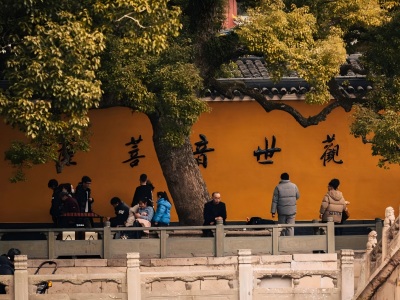
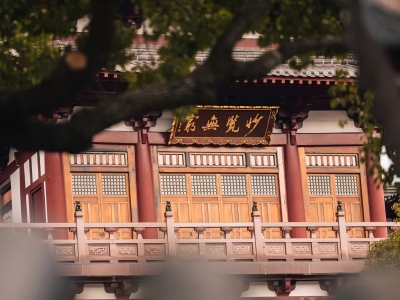
As the spiritual heart of Putuoshan, Puji Temple is usually the first stop for both pilgrims and first-time visitors. Originally built during the Song Dynasty, it remains the island's most important temple and one of the busiest places of worship dedicated to Guanyin. Beyond its historical significance, what makes Puji Temple special is the atmosphere. The scent of incense, the sound of chanting and the steady flow of worshippers create an experience that feels deeply connected to Putuoshan's living Buddhist traditions. Arriving early in the morning offers the most peaceful experience and the best opportunity to appreciate the temple before larger tour groups arrive.
Fayu Temple
Tucked against a forested hillside, Fayu Temple is often considered the most beautiful temple on the island. Unlike the grandeur of Puji Temple, Fayu feels quieter and more intimate, with elegant yellow-tiled roofs, ancient trees and stone courtyards that seem untouched by time. Many photographers consider it one of the most photogenic locations on Putuoshan, especially in the soft morning light when the temple's architecture and surrounding greenery create a particularly serene setting.
Huiji Temple
Perched atop Foding Mountain, Huiji Temple rewards visitors with some of the finest views on Putuoshan. Reaching the temple by ropeway offers sweeping panoramas of the island and surrounding sea, while those who choose to hike will enjoy a more traditional pilgrimage experience. Compared with the lower temples, Huiji feels calmer and less crowded, making it an ideal place to slow down and appreciate both the spiritual and natural beauty of the island.
Visit the Iconic Nanhai Guanyin Statue
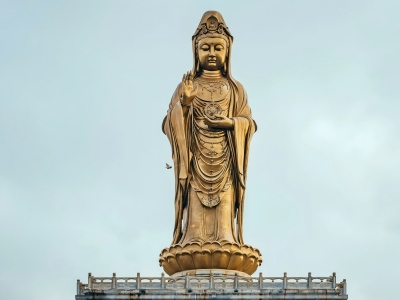
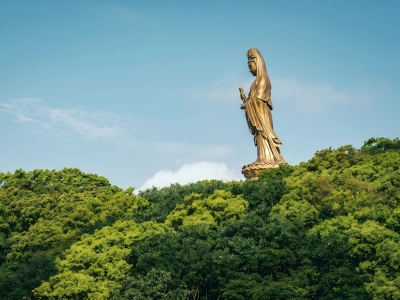
Standing 33 meters tall along the coastline, the Nanhai Guanyin Statue is one of the most recognizable landmarks on Putuoshan and a major pilgrimage site in its own right. Overlooking the East China Sea, the statue symbolizes compassion and protection for those who travel by sea. Even for visitors with little interest in religion, the scale of the monument and its dramatic seaside setting make it an unforgettable sight. For photography, sunrise and the blue hour just before sunset provide the most beautiful lighting conditions and significantly fewer crowds.
Explore the Island's Coastal Landscapes
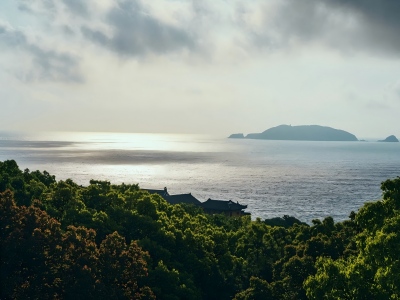
While Putuoshan is famous for its temples, some of its most memorable scenery is found along the coastline. Purple Bamboo Forest combines Buddhist legends with peaceful walking paths shaded by trees, while Thousand-Step Beach offers wide stretches of sand and excellent views of the sea. For travelers who enjoy walking, the island's coastal trails provide a refreshing contrast to the temple complexes, with rocky shorelines, sea breezes and occasional viewpoints overlooking nearby islands. Those willing to venture beyond the main tourist route can also discover quieter spots such as Chaoyin Cave and the area around Yinxiu Nunnery, where the atmosphere feels far more secluded.

Join an Authentic Buddhist Experience
While Putuoshan's temples are undoubtedly impressive, the island's true character is found in its living Buddhist traditions. Rather than simply walking through temple courtyards and taking photos, consider slowing down and experiencing some of the practices that have shaped life on the island for centuries. For many travelers, these moments become far more memorable than any sightseeing stop.
Attend Morning Temple Chanting
One of the most meaningful experiences on Putuoshan begins before sunrise. As the island is still waking up, monks gather inside temple halls for their daily chanting ceremonies. The rhythmic sound of Buddhist scriptures, combined with the scent of incense and the quiet atmosphere of the early morning, creates an experience that feels completely different from the busy daytime crowds. Even visitors with no religious background often describe morning chanting as one of the most peaceful moments of their trip. Rather than being a performance for tourists, these ceremonies are a genuine part of daily monastic life, offering a rare opportunity to witness Putuoshan's spiritual traditions in an authentic setting. If you're interested in attending, check with your hotel or local guide in advance, as some temples may require registration the day before.
Enjoy Traditional Temple Vegetarian Meals
Many visitors are surprised to learn that one of the highlights of Putuoshan isn't found in a temple hall but at the dining table. Temple vegetarian cuisine has a long history in Chinese Buddhism and focuses on simplicity, balance and seasonal ingredients. Meals are often served in a communal setting, where visitors sit quietly alongside pilgrims and worshippers. Unlike the vegetarian food found in many cities, temple dishes are designed to reflect Buddhist values of mindfulness and moderation. Expect freshly prepared vegetables, tofu dishes, seasonal soups and traditional local recipes rather than heavily processed meat substitutes. Sharing a simple vegetarian meal after a morning of temple visits offers a deeper understanding of the island's culture and provides a welcome break from sightseeing.
Local Tip: Several major temples offer vegetarian meals at specific times of day. Arriving early is recommended, especially during weekends and Buddhist festivals when seating can fill quickly.
Learn About Traditional Pilgrimage Culture
Putuoshan is not only a tourist destination—it's one of China's most important pilgrimage sites. Throughout the year, you'll encounter visitors who have traveled long distances to worship Guanyin and follow traditional devotional practices. Some pilgrims walk between temples while reciting prayers, while others undertake the more demanding "three steps, one bow" pilgrimage, stopping to bow after every few steps as an act of devotion. Watching these traditions unfold offers a fascinating glimpse into a side of Chinese culture that many international visitors rarely encounter. You don't need to participate yourself to appreciate the experience. Simply observing with respect can provide valuable insight into the faith and dedication that continue to draw pilgrims to Putuoshan today.
Slow Down and Experience the Island's Spiritual Rhythm
Perhaps the most rewarding experience on Putuoshan isn't a specific attraction at all. It's waking up early, hearing temple bells in the distance, watching the first incense offerings of the day and allowing yourself to move at a slower pace than usual. Many travelers arrive expecting to visit famous temples and leave remembering something much simpler: the quiet atmosphere, the sense of reflection and the feeling of stepping away from modern life for a day or two. In a country filled with spectacular landmarks, this slower, more personal experience is what makes Putuoshan truly unique.
Where to Stay on Putuoshan Island
One of the biggest decisions you'll make when planning a trip to Putuoshan is whether to stay overnight. While a day trip is certainly possible, spending at least one night on the island allows you to experience its quieter side after most visitors have left. Early mornings, evening temple bells and peaceful coastal walks are often the moments travelers remember most. Rather than choosing a hotel solely by price, it's worth selecting an area that matches your travel style.
Best Area for First-Time Visitors
For most travelers, the area around Puji Temple is the most convenient place to stay. As the spiritual center of Putuoshan, it offers easy access to major attractions, shuttle bus routes, restaurants and shops. Staying here makes it easy to explore the island without spending too much time on transportation, making it an ideal choice for first-time visitors and families.
Best Area for a Quiet Retreat
If you're visiting Putuoshan for relaxation, meditation or a slower pace of travel, consider staying near Fayu Temple or in the northern part of the island. These areas generally feel less crowded and are surrounded by forests, temple grounds and walking paths. The atmosphere is particularly peaceful in the early morning when the island is at its quietest.
Best Area for Sunrise Views
Travelers hoping to photograph sunrise or enjoy the island before the crowds arrive may prefer accommodation near the eastern coastline or close to Thousand-Step Beach. Staying nearby means you can reach the beach within minutes and enjoy the first light over the East China Sea without needing to catch an early shuttle bus.
Temple Stays vs Hotels
One unique aspect of Putuoshan is the opportunity to stay in accommodation connected to Buddhist temples. Temple guesthouses are typically simple but offer a chance to experience the island's spiritual atmosphere more closely. Guests may hear morning chanting, enjoy vegetarian meals and experience a slower pace of life. Traditional hotels, on the other hand, provide more modern comforts and are generally a better choice for travelers seeking convenience, private facilities or family-friendly services. For many visitors, either option can be rewarding—it simply depends on the type of experience you're looking for.
Hidden Experiences Most Visitors Miss
Most visitors spend their time between the major temples and ferry terminal, but some of Putuoshan's most memorable experiences happen away from the busiest areas. If you have an extra day on the island, these lesser-known moments are well worth seeking out.
Attend Morning Chanting Before Sunrise
Few experiences capture the spirit of Putuoshan better than attending an early morning chanting ceremony. Before most tourists are awake, monks gather inside temple halls as the sound of chanting echoes through the quiet courtyards. The atmosphere is peaceful, authentic and surprisingly moving, even for visitors with no religious background. Some temples require advance registration, so it's worth checking with your hotel or guide the day before.
Walk the Island Before the First Ferry Arrives
One of the simplest yet most rewarding experiences on Putuoshan is taking a walk shortly after sunrise. Before the first ferries arrive, the island feels completely different. The pathways are quiet, the air is fresh and many scenic spots can be enjoyed without crowds. It's also one of the best times for photography.
Explore Xitian Scenic Area
While many visitors focus on Puji Temple, Fayu Temple and Huiji Temple, Xitian Scenic Area often receives far less attention. This historic area combines unusual rock formations, ancient pathways and beautiful viewpoints overlooking the sea. The slower pace and smaller crowds make it one of the most atmospheric parts of the island.
Watch Sunset Away from the Main Crowds
Most visitors gather around the better-known beaches and viewpoints, but some of the most beautiful sunsets can be enjoyed from quieter sections of the coastline. The area behind Huiji Temple and several less-visited coastal trails offer expansive sea views and a much more peaceful atmosphere during the evening hours.
Listen to Evening Temple Bells
As the day comes to an end and many tourists leave the island, Putuoshan begins to feel more tranquil. Sitting quietly near a temple courtyard while listening to the evening bells is a simple experience, yet it perfectly captures the peaceful rhythm that has drawn pilgrims here for centuries.
Discover a Traditional Fishing Village
For a glimpse of local island life beyond the temples, consider visiting Longwan Fishing Village. Here you'll find fishing boats, small seafood markets and a slower pace of life that contrasts with the island's religious landmarks. It's an interesting way to see another side of Putuoshan and better understand the culture of the Zhoushan Archipelago.
Best Time to Visit Putuoshan
Putuoshan can be visited year-round, but each season offers a different experience.
Season | What to Expect |
Spring (Mar–May) | Mild weather, blooming flowers and comfortable hiking conditions |
Summer (Jun–Aug) | Lush greenery, sea breezes and larger crowds |
Autumn (Sep–Nov) | Clear skies, pleasant temperatures and excellent photography conditions |
Winter (Dec–Feb) | Fewer tourists, quieter temples and a more peaceful atmosphere |
For most travelers, spring and autumn provide the best balance of comfortable weather and manageable crowd levels. Photographers often favor autumn for its clear visibility, while pilgrims frequently plan visits around important Guanyin festivals throughout the year.
Useful Tips From Buer China Travel
After years of helping travelers explore Putuoshan, we've noticed a few common mistakes that can easily be avoided.
Don't Try to See Everything in One Day
The island is larger than many visitors expect. Trying to visit every temple and attraction in a single day often turns the trip into a race rather than an enjoyable experience. If possible, stay overnight and allow yourself time to slow down.
Book Ferry Tickets Early During Holidays
During Chinese public holidays and major Buddhist festivals, ferry tickets and accommodation can sell out quickly. Booking transportation and hotels in advance can save a great deal of stress.
Don't Leave on the Last Ferry
While it may seem like a good way to maximize sightseeing time, the final ferry departures are often the busiest. Allowing some extra time before your return journey makes the experience much more comfortable.
Visit Popular Temples Early
The difference between visiting a temple at 8:00 AM and 11:00 AM can be significant. Early mornings are quieter, cooler and much better for photography.
Temple Etiquette Explained
Because Putuoshan remains an active place of worship, respecting local customs helps create a better experience for everyone. When visiting temples, modest clothing is recommended. Avoid overly revealing outfits, particularly inside prayer halls and sacred areas. If you wish to offer incense, follow local practices and observe how worshippers conduct themselves before participating. Photography is generally permitted in outdoor areas, but many temple interiors prohibit photos, especially during ceremonies. When in doubt, simply look for posted signs or ask staff for guidance. A respectful attitude goes a long way and is always appreciated by both monks and pilgrims.
FAQ
Is Mount Putuo worth visiting?
Yes. Putuoshan combines Buddhist culture, island scenery and spiritual traditions in a way that few destinations in China can match.
How many days do I need in Putuoshan?
A two-day, one-night trip is ideal for most visitors, allowing enough time to visit the major temples and enjoy the island's atmosphere.
Can foreigners visit Putuoshan Island?
Absolutely. International travelers can visit Putuoshan independently or as part of a guided tour.
What is Putuo Mountain famous for?
Putuoshan is best known as one of China's Four Sacred Buddhist Mountains and the traditional bodhimanda of Guanyin, the Bodhisattva of Compassion.
How do I get to Putuo Mountain from Shanghai?
The most common options are direct coach services, flights to Zhoushan or a high-speed train to Ningbo followed by a ferry transfer.
Can I stay overnight on Putuoshan?
Yes. The island offers hotels, guesthouses and temple-related accommodation options.
What should I wear when visiting temples?
Comfortable walking shoes and modest clothing are recommended.
When is the best time to visit Putuoshan?
Spring and autumn generally offer the most pleasant weather and sightseeing conditions.
Some destinations impress you with famous landmarks. Others stay with you because of how they make you feel. Putuoshan belongs firmly in the second category. Yes, you'll find centuries-old temples, spectacular sea views and one of China's most important Buddhist pilgrimage sites. But what many visitors remember most are the quieter moments—the sound of waves beneath a cliffside temple, the first rays of sunlight touching the Nanhai Guanyin Statue, or the gentle rhythm of morning chanting drifting through the island before the crowds arrive. Whether you're visiting for spiritual reflection, cultural discovery, photography or simply a peaceful escape from China's busy cities, Putuoshan offers something increasingly rare in modern travel: a chance to slow down. More than just a sacred mountain, Putuoshan is a place where the sea, history and faith come together to create one of the most distinctive travel experiences in China.