When people think about Hangzhou, most immediately picture West Lake. But if you ask locals where the city feels the most alive, many will point toward the Qiantang River instead. The Hangzhou Qiantang River is not just a river running through the city. It's where modern Hangzhou meets local daily life — a place of skyline views, riverside cycling paths, night cruises, glowing bridges, and of course, the world-famous Qiantang River tidal bore.
Wondering how to visit the Qiantang River like a local? This guide covers everything you actually need to know before visiting the Hangzhou Qiantang River, including the best things to do along the Qiantang River, the best time to visit Qiantang River, where to watch the tidal bore, local night cruise experiences, photography spots, and useful tips most tourists never hear about.
Why the Qiantang River Is One of the Most Unique Places in Hangzhou
The River That Shaped Modern Hangzhou
West Lake represents Hangzhou's historical and poetic side. The Qiantang River represents its modern energy. Over the last two decades, the riverside area has transformed into one of the city's most important districts, especially around Qianjiang New Town, where glass towers, riverside parks, luxury hotels, and business centers now define the skyline. But despite all the modern development, the river still feels deeply local. In the evenings, you'll see families walking along the waterfront, office workers relaxing after work, cyclists passing by the river paths, and young people gathering near cafés to watch the city lights come on. Compared with the tourist-heavy atmosphere around West Lake, the Qiantang River often feels more like the Hangzhou locals actually live in.
More Than Just the Famous Tidal Bore
Most international travelers first hear about the Qiantang River because of the tidal bore, but there's much more to experience here.
The river has gradually become one of Hangzhou's best areas for:
· Riverside walks
· Night cruises
· Sunset viewing
· Cycling
· Evening cafés
· Modern architecture
· Seasonal festivals
This is one reason many locals recommend visiting both West Lake and the Qiantang River during a Hangzhou trip. The two areas show completely different sides of the city.
What the Qiantang River Feels Like at Different Times of Day
Morning
Early mornings along the river are surprisingly peaceful. Locals come here to jog, cycle, practice tai chi, or simply sit near the water before the city gets busy. Compared with West Lake, the atmosphere feels more open and less crowded.
Sunset
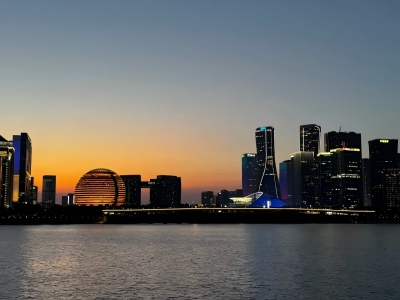
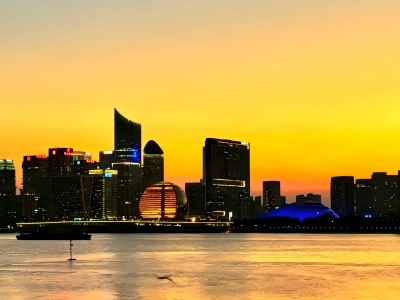
Sunset is when the river starts becoming especially photogenic. The light reflects off the water, bridges begin glowing, and the skyline around Qianjiang New Town slowly changes color. Autumn sunsets are particularly beautiful because the air is usually clearer than in summer.
Night
At night, the Qiantang River becomes one of the most impressive modern cityscapes in Hangzhou. The bridges light up, cruise boats move slowly across the water, and the riverside paths fill with people taking evening walks. For visitors who enjoy urban night views, this area often feels more exciting than West Lake after dark.
During Tidal Bore Season
Everything changes during the autumn tide season. The river suddenly becomes louder, more energetic, and much busier. Temporary food stalls appear near viewing areas, crowds gather hours before the tide arrives, and the atmosphere feels almost like a citywide event.
Highlights of the Qiantang River
1. Watching the Qiantang River Tidal Bore
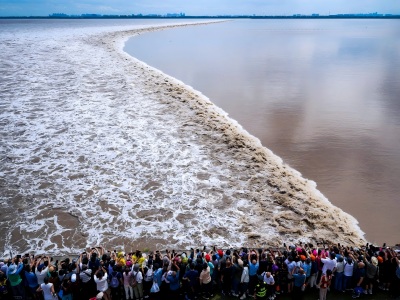
The Qiantang River tidal bore is the most famous experience along the river and one of Hangzhou's most unique natural attractions. Every autumn, thousands gather along the riverbanks to watch the powerful tide surge upstream at incredible speed. What makes the experience unforgettable is not just the wave itself, but the atmosphere before it arrives. Different parts of the Qiantang River also offer different types of tides, from the famous "One-Line Tide" in Yanguan to the dramatic returning tides near Liuhe Pagoda, which we'll explore in more detail later in this guide.
2. Qiantang River Night Cruise
What the Night Cruise Is Like
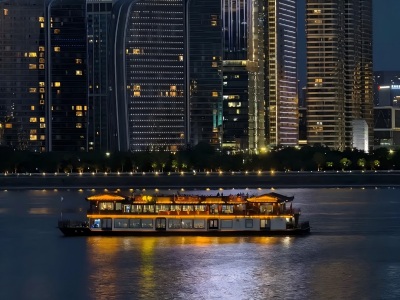
A night cruise on the Qiantang River is one of the best ways to experience modern Hangzhou. Unlike the more classical scenery around West Lake, the river cruise feels modern, spacious, and urban. You'll pass illuminated bridges, glowing skyscrapers, riverside parks, and sections of the city skyline reflected across the water. For many visitors, this is when Hangzhou feels most international.
Best Time for a Night Cruise
The best cruises usually begin around sunset or early evening. This timing lets you see:
· Golden-hour river views
· The skyline transition into night
· Building lights turning on gradually
Autumn evenings are especially comfortable because temperatures become cooler and visibility is often better.
Which Cruise Is Best?
There are several types of cruises available, from short sightseeing boats to longer evening experiences.
Short sightseeing cruises一 Good for casual travelers and families.
If you simply wish to spend an hour or two enjoying the Qiantang River's night scenery in a relaxed manner—without seeking out specific vantage points or a particularly exclusive atmosphere—then value for money is the key factor.
· Purchase a standard cabin ticket for the first or second deck of the "Menghang" or "Qianyin" vessels. Priced at around 130 RMB, these tickets offer excellent value. Although you will be viewing the scenery through glass, you can still clearly see the light shows illuminating both banks of the river; moreover, the air-conditioned indoor environment ensures a more comfortable experience.
·The "Jiangcui" Beer Boat— If you are looking for something a little different, consider trying the "Jiangcui." This vessel specializes in a laid-back, casual atmosphere, allowing you to enjoy a drink on board while feeling the river breeze and admiring the scenery—making it the perfect choice for unwinding solo or sharing a relaxing drink with friends.
Romantic evening cruises一Popular with couples because of the city lights.
If you are looking for a romantic experience with an absolutely captivating atmosphere, consider the following options:
· High-end charter/buffet: Choose a buffet set meal at a cruise ship restaurant like "Xi Zi Lou," starting at 499 RMB per person, which includes cruise tickets and dinner. You can savor gourmet cuisine while admiring the night scenery from the deck—an ideal choice for couples on a date or for celebrating an anniversary.
·Themed Cruises: Keep an eye out for officially launched themed cruises, such as the "Suiyue Liusheng" (Echoes of Time) music-themed voyage. Classic songs are played on board to create a nostalgic yet romantic ambiance, making your evening cruise experience truly unique.
Photography-focused rides一Better for skyline and long-exposure shots.
If you are a photography enthusiast seeking exceptional shots and prime shooting angles, your top choice should be a ticket for the third-floor open-air deck on either the "Menghang" or "Qianyin" vessel.
· Menghang: Featuring a modern, minimalist aesthetic with expansive glass curtain walls and cool-toned lighting, this vessel offers unobstructed panoramic views—perfect for capturing stunning, contemporary-style nightscapes.
· Qianyin: Boasting a retro, traditional Chinese-style exterior, the hull features wood-grain textures and warm lighting; against the backdrop of the night, it exudes a natural classical charm, resulting in photographs imbued with a rich sense of narrative.
Is the Night Cruise Worth It?
For most first-time visitors, yes. It's especially worthwhile if:
· You enjoy city skylines
· You like evening photography
· You want a more relaxed experience after a busy sightseeing day
However, travelers expecting traditional Chinese scenery similar to West Lake or ancient water towns may find the atmosphere much more modern.
3. Riverside Walks & Cycling Routes
The Qiantang River riverside paths are some of the best urban walking areas in Hangzhou. Compared with the busier tourist streets near West Lake, the atmosphere here feels more open and local. Cycling is particularly popular in the late afternoon and evening, when temperatures become cooler and the river breeze picks up.
Some of the most enjoyable sections are near:
· Qianjiang New Town
· Binjiang riverside parks
· Olympic Sports Center area
Sunset is usually the best time for both walking and cycling.
4. Qianjiang New Town Light Show
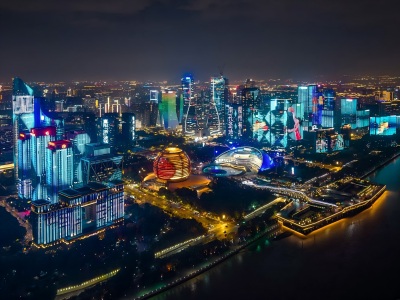
One of the biggest nighttime highlights along the Qiantang River is the Qianjiang New Town light show. The surrounding skyscrapers light up together, creating large-scale animated displays across entire buildings. The reflections on the river make the area feel even more dramatic at night.
Compared with Shanghai's Bund, Hangzhou's riverside atmosphere feels slightly calmer and less crowded, while still offering impressive skyline views.
The best viewing areas are usually along the riverside promenades near Civic Center and City Balcony.
Qianjiang New City Light Show – Regular Schedule:
· Spring/Summer Season (April 15 – September 30)
Daily: 20:30
Additional show on Friday and Saturday evenings: 19:30
· Autumn/Winter Season (October 1 – April 14 of the following year)
Daily: 19:30
Additional show on Friday and Saturday evenings: 18:30
Note: Additional shows are typically scheduled during major holidays.
5. Sunset Spots Along the Qiantang River
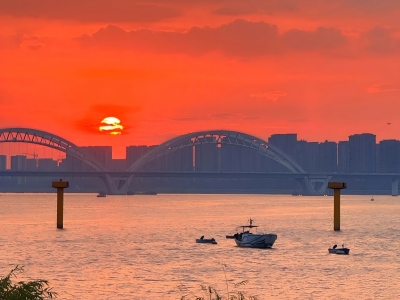
The Qiantang River is one of the best places in Hangzhou for sunset photography.
Some of the best spots include:
· City Balcony
· Riverside parks near Qianjiang New Town
· Binjiang waterfront areas
· Bridge viewpoints
Autumn sunsets are usually the most beautiful because of the clearer air and softer evening light. For photographers, arriving about 30–40 minutes before sunset usually gives the best lighting conditions.
Qiantang Tidle Bore - Must See
What Causes the Tidal Bore?
The Qiantang River tidal bore happens because of the unique shape of the river mouth combined with powerful ocean tides from the East China Sea. As seawater pushes inland, the river narrows like a funnel. This compresses the incoming tide into a fast-moving wave that can rise several meters high in certain areas. Unlike normal river waves, the tidal bore moves upstream with incredible force and speed. This is why the Hangzhou Qiantang River is considered home to the world's largest tidal bore. But the size of the wave is only part of the experience. What surprises most visitors is how quickly the tide moves and how loud it sounds as it approaches.
Why Is It Famous in China?
The Qiantang River tidal bore has been famous for over a thousand years. Ancient Chinese poets wrote about it during the Tang and Song dynasties, and tide-watching later became a major Mid-Autumn tradition in Zhejiang Province. Even today, many local families still make special trips every autumn just to watch the tide together.
Unlike some tourist attractions that mainly exist for photos, the tidal bore still feels deeply connected to local culture and seasonal traditions.
What the Real Experience Feels Like
The most memorable part of watching the tidal bore is actually the waiting.
About an hour before the tide arrives, locals begin gathering near the riverbanks with snacks, folding chairs, cameras, and tea. The atmosphere slowly becomes more excited as the expected tide time approaches. Then comes the sound. A low roaring noise appears from the distance, almost like thunder rolling across the water. Conversations stop. Phones go up. Everyone stares downstream. When the wave finally appears, it moves far faster than most people expect. The entire moment passes quickly, but the energy stays long afterward.
Best Time to Watch the Qiantang River Tidal Bore
The best time to visit Qiantang River for the tidal bore is usually between September and early October, especially around the Mid-Autumn period of the lunar calendar. This is when the tides become strongest.
However, many locals actually prefer slightly smaller tide days because the experience is often more comfortable and less crowded.
How to Check the Daily Tide Schedule
One important thing many first-time visitors don't realize is that the tidal bore time changes every day. Locals usually check the Zhejiang Water Resources tide forecast or updated daily tide schedules before leaving for the river. During major tide season, many Hangzhou local websites publish continuously updated forecast tables for different viewing points.
As a general rule:
· Arrive at least 1–2 hours early
· Bigger tides usually happen around lunar calendar peak dates
· Weather and upstream water conditions can affect wave size
Example Qiantang River Tide Schedule (Reference Only)
Lunar Date | Tide Strength | Recommended Viewing |
Day 1–5 | Moderate to Strong | Good for casual visitors |
Day 15–20 | Strongest tides | Best for dramatic viewing |
Mid-Autumn Period | Peak season | Largest crowds |
Local Tip: Exact tide times change daily and should always be checked before visiting.
Different Types of Tidal Bore You Can See Along the Qiantang River
The Famous "One-Line Tide"
The "One-Line Tide" is the most classic form of the Qiantang River tidal bore and the one most first-time visitors imagine. From a distance, the wave looks like a perfectly straight white line stretching across the river surface before rapidly moving upstream.
This type of tide is most famously seen around Yanguan and some downstream sections near Xiasha and the river bridges. For photographers, this is usually the most visually dramatic form of the tide.
The "Returning Tide"
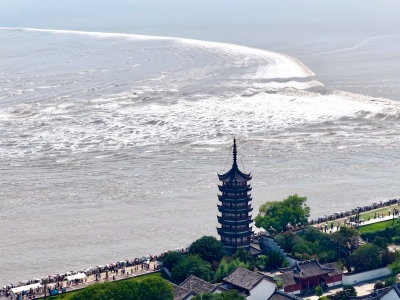
The "Returning Tide" is something many tourists don't expect. After the main wave hits certain river structures or embankments, the water suddenly rebounds and crashes backward, creating a second dramatic surge. Locals often consider this one of the most exciting types of tide because it feels less predictable and more powerful in person.
One of the best places to watch the returning tide is around the Coral Sand area near the west side of the First Qiantang River Bridge and the Liuhe Pagoda area.
The "Skyward Tide"
This happens when the tidal bore collides with river barriers or T-shaped dams, causing the wave to suddenly rise upward. Some sections near Xiaoshan's Meinv Dam and parts of Qibao are known for producing this dramatic effect during stronger tide conditions. This type of tide feels especially intense because the water movement becomes chaotic instead of smooth and linear.
Best Places to Watch the Qiantang River Tidal Bore
Yanguan Scenic Area
This is the most famous and dramatic viewing location. The atmosphere here feels traditional and festive during tide season, with viewing platforms, local food vendors, and large crowds gathering along the river.
Best for:
· First-time visitors
· Strongest wave experience
· Festival atmosphere
Downtown Riverside Areas
If you prefer convenience, downtown Hangzhou riverside sections are much easier to reach. The waves are usually smaller here, but the skyline views and sunset atmosphere can make the overall experience more relaxing.
Best for:
· Short trips
· Casual visitors
· Sunset photography
Xiaoshan Riverside
Some Xiaoshan viewing spots feel less touristy and more local. You'll often see more Hangzhou residents than organized tour groups here.
Best for:
· Repeat visitors
· Fewer crowds
· Local atmosphere
Liuhe Pagoda Area (Best Hidden Historic Viewing Spot)
Most tourists visit the Liuhe Pagoda for its historical architecture and river views, but many locals also know this area as a surprisingly good place to experience parts of the tidal bore. The riverside near Liuhe Pagoda and the First Qiantang River Bridge can sometimes produce dramatic "returning tides" as the wave changes direction around the river bend. What makes this area special is the atmosphere.
For travelers who prefer a quieter and more scenic experience, this is one of the most underrated areas along the Qiantang River.
What Type of Tide Can You See at Each Viewing Spot?
Viewing Spot | Famous Tide Type | What Makes It Special |
Yanguan | One-Line Tide | Most iconic and visually dramatic |
Xiasha | One-Line Tide | Wide river view and strong wave shape |
Coral Sand / Liuhe Pagoda | Returning Tide | Waves rebound dramatically |
Xiaoshan Meinv Dam | Returning Tide/Skyward Tide | Powerful wave collisions |
Qibao & Sanbao | Skyward Tide | Water surges upward near river structures |
Best Areas Along the Qiantang River
Must-Visit Classics: Qianjiang New City & Qianjiang Century City
This is the top recommendation for first-time visitors exploring the banks of the Qiantang River. Home to the city's most iconic landmarks and its most spectacular light shows, it is the perfect place to enjoy an evening "Citywalk."
· City Balcony: The official prime viewing spot for the light show. Offering unrivaled panoramic views, it allows you to take in the "Giant Golden Sphere," the Hangzhou Grand Theatre, and the Olympic Sports Center—all situated on the opposite bank—at a single glance.
· Qianjiang Century Park: Located on the opposite side of the river, this park serves as an excellent vantage point for capturing panoramic shots of Qianjiang New City and the "Sun and Moon Shining Together" skyline; it is also a wonderful place to watch the sunset.
· Hangzhou Grand Theatre: Shaped like a crescent moon, this architectural marvel plays a pivotal role in the light show; when illuminated at night, it exudes a distinctly futuristic and high-tech aesthetic.
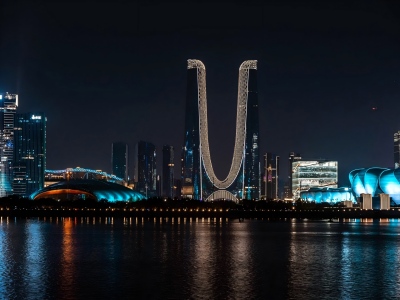
· Gate of Hangzhou: The signature architectural landmark of the Hangzhou Olympic Sports Center. Designed to resemble an open gateway, it offers a distinctly cyberpunk vibe when photographed at night.
A Premier Spot for Tide-Watching: Qian'an Park
If you wish to witness the spectacular tidal bore of the Qiantang River, the newly opened Qian'an Park is an excellent choice.
Highlight: The "Tide-Watching Pavilion" (Guanchao Yi) within the park features a cantilevered, 270-degree observation deck. Positioned directly opposite the sharp bend in the Qiantang River, it offers an unobstructed view of the magnificent "Back-Surging Tide" and the "Sky-Piercing Tide."
A Hidden Gem for Sunset Viewing: Xiasha Zhutou Dam
If you wish to escape the crowds and enjoy the sunset in peaceful solitude, this spot is an excellent choice. Because it offers expansive, open vistas across a wide stretch of the river, allowing you to witness magnificent sunsets as well as the magical "Blue Hour."
How to Get to the Qiantang River Areas
From West Lake to the Riverside
The Qiantang River is relatively easy to reach from most tourist areas in Hangzhou.
If you're staying near West Lake, the fastest options are usually:
· Metro
· Taxi
· Didi ride-hailing
For Qianjiang New Town and most downtown riverside sections, the metro is usually the most efficient option during rush hour because riverside traffic can become heavy in the late afternoon.
Typical travel times:
· West Lake → Qianjiang New Town: around 20–30 minutes
· West Lake → Binjiang riverside: around 30–40 minutes
· West Lake → Liuhe Pagoda area: around 25 minutes by taxi
If you're planning to watch the sunset or evening light show, it's better to leave slightly earlier than expected because riverside traffic increases quickly around dinner time.
Best Metro Stations for Visitors
Different stations work better depending on what you want to see.
Civic Center Station
Best for:
· skyline views
· City Balcony
· light show
· riverside night walks
This is usually the easiest station for first-time visitors.
Chengxing Road Station
Best for:
· riverside cafés
· quieter walking areas
· photography
Less crowded than Civic Center during weekends.
Olympic Sports Center Station
Best for:
· modern architecture
· bridge photography
· riverside cycling routes
Especially beautiful around sunset.
Is Taxi or Metro Better at Night?
Metro is usually easier after major events because riverside traffic can become heavily congested. However, taxis are more convenient for travelers returning late after cruises or tidal bore viewing.
One thing many tourists don't realize: After tidal bore events, Didi prices can surge heavily and wait times become much longer than normal.
How to Reach Yanguan for the Tidal Bore
Yanguan is the most famous tidal bore viewing location, but it's also much farther from central Hangzhou than many tourists expect.
Most visitors reach Yanguan by:
High-speed rail + taxi
Usually the fastest independent option. You can take a train toward Haining, then use a short taxi ride to reach the viewing area.
Best for: independent travelers /avoiding highway traffic
Tourist shuttle bus
During peak tide season, some temporary shuttle services operate from Hangzhou.
Best for: first-time visitors/travelers unfamiliar with Chinese transport apps
Private car or Didi
More comfortable, but traffic near Yanguan can become extremely congested during major tide days.
Best Photography Tips for the Qiantang River
Best Photography Spots Along the River
City Balcony
Probably the most famous skyline viewpoint.
Best for:
· skyline panoramas
· river reflections
· night photography
· light show shots
This is one of the easiest places for first-time visitors.
Liuhe Pagoda Area
Best for:
· traditional + modern contrast
· bridge photography
· tidal bore atmosphere
· river landscapes
Especially beautiful during autumn afternoons.
Binjiang Riverside
A favorite among local photographers.
Best for:
· fewer crowds
· sunset cycling shots
· clean skyline compositions
The atmosphere here feels more local and relaxed.
Qiantang River Bridges
Some pedestrian bridge sections offer excellent elevated views of:
· skyline lights
· moving cruise boats
· river reflections
Tripods work especially well here during blue hour.
Smartphone vs Camera Tips
Modern smartphones are already very good for:
· sunset photos
· riverside portraits
· skyline wide shots
· night reflections
However, for tidal bore photography, cameras with zoom lenses perform much better because the wave is often farther away than expected.
If using a smartphone:
· use burst mode during the tidal bore
· avoid digital zoom
· shoot slightly wider to capture crowd atmosphere
If using a camera:
· a 70–200mm lens works especially well
· fast shutter speeds help freeze wave movement
· bring extra batteries during colder autumn evenings
Best Tips for Photographing the Tidal Bore
Photographing the tidal bore is harder than many visitors expect because the wave moves extremely quickly.
A few local photography tips:
Arrive Early for Positioning
Good riverside spots fill up fast during peak season. Professional photographers often arrive several hours early.
Don't Only Focus on the Wave
Some of the best photos actually happen before the tide arrives:
· crowds waiting
· sunset over the river
· people reacting to the approaching sound
These moments often feel more emotional and unique.
The Sound Is Part of the Experience
Video usually works better than photos for capturing the atmosphere of the tidal bore. The roaring sound before the wave arrives is one of the most dramatic parts of the experience.
Drone Restrictions You Should Know
Drone rules can become stricter during:
· tidal bore festivals
· crowded events
· riverside security periods
In some sections near bridges and large crowds, drones may not be allowed at all. Always check local regulations before flying, especially during peak tide season.
Useful Tips From Buer China Travel
The River Feels Completely Different During Tide Season
Outside autumn, the Qiantang River usually feels calm and spacious. Locals come here mainly for riverside walks, cycling, sunset photography, and night views. But during tidal bore season, especially around September and October, the atmosphere changes completely. Temporary food stalls appear, police barriers are added near viewing points, and crowds start gathering long before the tide arrives. If you visit during peak season, expect the entire riverside area to feel much busier than normal.
The Best Night Views Are Not Always Near West Lake
Many visitors spend all their evenings around West Lake and completely miss Hangzhou's modern skyline side. The Qiantang River often has the city's best night photography opportunities.
Why Many Locals Don't Watch the Tide at Yanguan Every Year
While Yanguan is the most famous viewing area, many Hangzhou locals actually choose smaller riverside spots in Xiaoshan or near Liuhe Pagoda. The reason is simple:
· easier transportation
· fewer tour groups
· more relaxed atmosphere
· easier photography
For many locals, the overall experience matters more than simply seeing the biggest possible wave.
You Don't Have to Visit Only on the Biggest Tide Day
Many travelers believe the Qiantang River tidal bore is only worth seeing on the famous "August 18" peak tide day. In reality, tides can be viewed during many periods throughout the lunar month, especially around:
· lunar days 1–5
· lunar days 15–20
The biggest festival day brings the strongest atmosphere, but also the heaviest crowds.
Where to Avoid Crowds During Peak Tide Season
Some quieter Xiaoshan riverside sections can offer a better balance between atmosphere and crowd size.
Why Many Locals Prefer Night Walks Over Cruises
Cruises are scenic, but many locals simply enjoy walking slowly along the river after dinner because the atmosphere feels calmer and more flexible.
Returning Traffic Can Be Worse Than the Crowds
First-time visitors usually prepare for the crowds before the tide — but not after it. Once the tidal bore ends, thousands of people often leave at the same time. Taxi wait times increase sharply, nearby roads become congested, and metro stations can get extremely crowded. A better strategy is to stay near the river for another hour after the tide:
· have dinner nearby
· enjoy the night views
· wait for the crowds to thin out
This usually makes the experience much less stressful.
FAQ
Is the Qiantang River worth visiting?
Absolutely. It offers a completely different side of Hangzhou compared with West Lake.
What is the best time to visit Qiantang River?
Autumn is usually the best overall season, especially during tidal bore season.
Can you see the tidal bore from downtown Hangzhou?
Yes, though the waves are usually less dramatic than Yanguan.
Is the night cruise worth it?
Yes, especially for first-time visitors interested in skyline views and evening photography.
How long does the tidal bore last?
The strongest part usually lasts only a few minutes.
Which riverside area is best for tourists?
Qianjiang New Town is generally the most convenient and visitor-friendly area.
Can foreigners buy cruise tickets easily?
Usually yes, especially at major tourist docks and online booking platforms.
Is the Qiantang River crowded at night?
Popular riverside areas can become busy, especially on weekends and during summer evenings.
What should I wear during tide season?
Light layers and comfortable walking shoes are usually best during autumn evenings.
The Qiantang River is one of those places that many visitors underestimate before arriving in Hangzhou. People often come expecting only the famous tidal bore, but end up remembering the riverside sunsets, the glowing skyline, the evening walks, and the atmosphere along the water long after the trip ends.
Unlike West Lake, which feels poetic and historical, the Qiantang River shows a more modern and energetic side of Hangzhou — one that locals experience every day.
And during autumn, when the tidal bore season arrives and the river suddenly comes alive with sound and movement, it becomes one of the most unforgettable experiences in the city.