General Overview
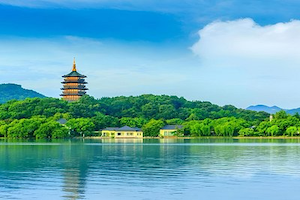
Escape the overcrowded tourist hotspots around West Lake. Tucked away among lush tea mountains, China National Tea Museum is the only national-level tea museum in China, boasting quiet scenery and fewer crowds.
Cultural Reason for Location
As the famous saying goes, "Tea is the national drink, and Hangzhou is the capital of tea." Hangzhou is the only authentic origin of genuine Longjing tea. This unique cultural status makes Hangzhou the permanent home of this authoritative tea museum.
Environment & Architecture
Surrounded by endless tea plantations, the museum features elegant Jiangnan white-wall-black-tile architecture. Free from noisy commercial stalls, it provides pure mountain air and natural lingering tea aroma.
Double Halls Layout
Recognized as one of the best tea museum in hangzhou, it consists of two completely different exhibition halls: Shuangfeng Hall and Longjing Hall.
Travel Purpose
This guide deeply supplements hidden exhibition details, tea culture knowledge and exclusive local tips, helping travelers explore the museum comprehensively without blind sightseeing.
Unmissable Highlights & Top Attractions
More than a standard exhibition space, China National Tea Museum blends immersive cultural displays, rare antique collections, hands-on workshops, and breathtaking natural scenery. Every corner tells a gentle tea story. Below is a detailed breakdown of its unmissable attractions, carefully sorted for travelers.
Shuangfeng Hall
Vibe & Travel Orientation: Serving as the cultural heart of the entire museum, Shuangfeng Hall is undoubtedly the must-visit zone. Quiet, profound, and rich in exhibitions, it perfectly suits culture enthusiasts, tea beginners, teaware collectors, and study visitors.
Six Major Tea Categories Exhibition
This educational exhibition area visually showcases China's six major tea families. With real tea samples, vivid production illustrations, and professional brewing guidance, visitors can easily tell each tea category apart through texture, color, scent, and fermentation degree.
· Green Tea: Unfermented tea with a clean, refreshing vegetal taste and pale liquor. As the most produced tea category in China, green tea is mainly cultivated in humid southern regions. The most renowned varieties include Longjing Tea from Hangzhou West Lake and Biluo Chun from Jiangsu. Its fresh taste makes it ideal for new tea lovers.
· White Tea: Slightly fermented tea featuring a soft, naturally sweet flavor and silvery leaf appearance. Originating from Fujian Province, its top varieties are Silver Needle and White Peony. White tea requires minimal processing and can be aged for years to develop a mellower taste.
· Yellow Tea: Lightly fermented tea with a subtle unique sweet aroma and golden liquor. Mainly grown in Hunan and Sichuan, the most famous type is Junshan Silver Needle. The unique yellowing fermentation process gives it a smooth, mild taste with no bitter aftertaste.
· Oolong Tea: Semi-fermented tea famous for its layered and lasting floral fragrance. Produced in Fujian and Taiwan, representative varieties include Tieguanyin and Da Hong Pao. It balances the freshness of green tea and the richness of black tea, favored by experienced tea drinkers.
· Black Tea: Fully fermented tea, warm and smooth on the palate with reddish liquor. Originating from Yunnan and Anhui, classic options are Dian Hong and Qimen Black Tea. Black tea is suitable for cold weather and pairs perfectly with milk and honey.
· Dark Tea: Post-fermented tea with rich aged, earthy notes. Mostly produced in Yunnan and Hunan, its most iconic variety is Pu'er Tea. Dark tea can be preserved for decades; the longer it ages, the richer its flavor becomes.
· Travel Tip: Clear identification guides are posted beside each tea sample, making it effortless for tourists to distinguish teas by appearance, scent, brewing performance and growing origin.
Yixing Zisha Teapot Exhibition Hall
Often overlooked by generic travel guides, this exclusive hidden gallery houses a stunning collection of refined purple clay artworks. The space gathers hundreds of precious Zisha teapots, creating an elegant, quiet artistic atmosphere.
- Well-preserved ancient teapots dating back to the Ming and Qing dynasties
- Exquisite handmade Zisha works crafted by modern masters
- In-depth introduction of clay textures, delicate carving techniques, and traditional teapot culture
Pottery & Zisha Handmade Experience Workshop
For travelers seeking interactive fun, the handmade pottery workshop is one of Shuangfeng Hall's most charming highlights. Visitors can experience the joy of handmade clay art under professional guidance.
- Shape unique teacups and mini Zisha crafts with your own hands
- Receive one-on-one instruction from experienced craftsmen
- Keep your finished artwork after professional firing (small extra firing fee applies)
Other Permanent Exhibitions
- Tea History Gallery: Wander through time and explore the complete evolution of tea from ancient origins to modern popularity.
- Antique Tea Set Gallery: Admire precious cultural relics, including Tang-dynasty tea grinders, Song-dynasty tea bowls, and luxurious royal tea utensils.
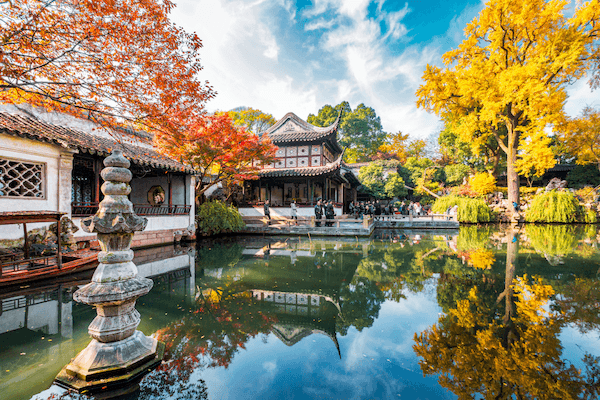
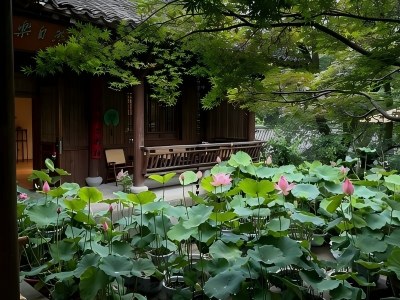
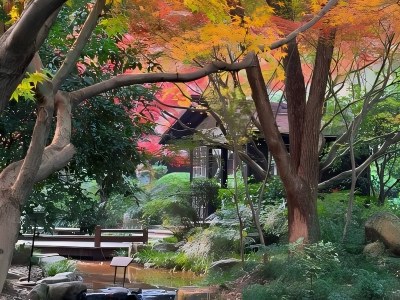
- Water Courtyard Scenery: A classical Jiangnan waterside pavilion surrounded by green plants. The mirrored water and plain white walls create dreamlike minimalist scenery, ideal for peaceful photography.
- Weekly Tea Art Performance: Enjoy free elegant tea ceremony shows every Saturday morning.
Longjing Hall
Vibe & Travel Orientation: Unlike the cultural-focused Shuangfeng Hall, Longjing Hall leans toward natural sightseeing and landscape photography. Surrounded by rolling tea hills, it offers open views and fresh mountain air, perfect for casual hiking and panoramic shooting.
- Global Tea Culture Exhibition: Explore diverse tea-drinking customs from different countries worldwide.
- Summit Tea Altar: Stand at the best viewing platform to overlook layered tea terraces and the hazy outline of West Lake.
- Leisure Mountain Trail: Stroll along gentle forest paths immersed in fresh tea fragrance and quiet mountain atmosphere.
Shuangfeng Hall VS Longjing Hall
For travelers with limited time, we strongly recommend prioritizing Shuangfeng Hall. Here is an intuitive comparison:
Item | Shuangfeng Hall (Strongly Recommended) | Longjing Hall |
Core Advantage | Complete tea culture & antique collections | Panoramic tea mountain natural view |
Exhibition Content | Six major teas, Zisha gallery, ancient teaware | World tea culture, mountain landscape |
Interactive Experience | Pottery making & tea art performance | Hiking & photography |
Crowd Level | Quiet, fewer tourists | Slightly crowded on sunny weekends |
Suitable For | Culture lovers, study travelers, handcraft lovers | Photographers, hiking lovers |
Easy Transportation & Access Guide
Nestled in the mountainous tea-growing area, the tea museum features convenient transportation options for different travel demands. Whether you take public transit, drive privately or walk along the mountain trail, you can enjoy stunning tea mountain scenery on the way.
Public Transport
Public buses are the most cost-effective way to reach the museum, helping you avoid mountain traffic congestion and parking troubles.
- Shuangfeng Hall: Board bus 27 or 87, alight at Shuangfeng Station. A leisurely 5-minute walk leads you straight to the museum entrance.
- Longjing Hall: Take bus 180 and get off at Wengjiashan Station, surrounded by dense tea plantations.
Taxi & Private Car
- Navigation Tip: Simply search for China National Tea Museum for precise positioning.
- Parking Reminder: Parking spaces inside the scenic area are extremely limited. Private cars are not recommended on weekends and Chinese public holidays due to severe mountain traffic jams.
Secret Walking Route
For travelers who love slow sightseeing, this hidden walking route is highly recommended. You can wander downhill from Lingyin Temple to Shuangfeng Hall. The quiet mountain path winds through primitive tea villages and lush tea hills, offering immersive rural tea scenery along the way.
Best Photography Spots
Blending elegant Jiangnan architecture and rolling tea terraces, the tea museum is packed with photogenic corners. Below are carefully selected shooting spots, covering minimalist architectural scenery, artistic indoor exhibits and vast mountain views. Every spot requires no filter for stunning shots.
- Shuangfeng Waterside Courtyard
Admire the classic Chinese aesthetic here. Clean white walls and black eaves cast soft reflections on the still water. Surrounded by green foliage and tea bushes, this tranquil courtyard creates a minimalist and poetic Jiangnan atmosphere.
- Zisha Teapot Exhibition Area
Featuring gentle dim indoor lighting, this quiet exhibition room is perfect for artistic still-life photography. Delicate teapot textures and soft shadow layers bring out an elegant, vintage visual sense.
- Mountain Tea Trail
Stroll along the secluded empty tea paths surrounded by endless neat tea bushes. The natural mountain light and fresh tea fragrance make casual walking snapshots relaxed, vivid and extremely healing.
- Longjing Top Tea Altar
Located at the highest viewpoint of the scenic area, this open altar offers a breathtaking wide-angle panorama. Layered tea mountains stretch continuously, with the hazy outline of West Lake faintly visible in the distance.
Handy Travel Tips & Local Advice
To ensure a smooth, comfortable and satisfying tea-themed journey, here are practical travel reminders and local insider hacks. These summarized tips help you avoid crowds, skip common travel mistakes and take better photos.
Avoid Common Mistakes
- Never rush between two halls
The two exhibition halls are separated by winding mountain roads. Do not squeeze both halls into one hour, or you will merely have a superficial rushed visit.
- Avoid visiting at noon on weekends
Large numbers of tourists gather around noon, resulting in crowded exhibition halls and noisy trails. It greatly ruins the quiet tea-garden atmosphere.
- Say no to high heels
The museum is built on mountainous terrain with countless rugged stone steps. Comfortable flat shoes are essential for easy walking.
Local Exclusive Hacks
- Come early for peaceful scenery
Arrive before 9:00 a.m. to enjoy thinner crowds and soft gentle morning light, ideal for sightseeing and photography.
- Join free weekend tea tasting
Every Saturday morning, the museum holds free tea-tasting events, allowing visitors to sample premium authentic tea for free.
- Arrange itinerary according to weather
On rainy or cloudy days, prioritize Shuangfeng Hall. The mild diffused light creates a soothing ambiance for indoor exhibition appreciation.
Outfit Suggestion
- Clothing recommendation
Dress in light-colored and linen-textured outfits. The simple, elegant tone perfectly matches the minimalist tea garden and Jiangnan architectural style.
- Photography accessory
Carry a delicate folding fan as a shooting prop. It easily enhances the classical and artistic sense of your photos.
What to Eat & Buy Nearby
Surrounded by tranquil tea hills, the museum features limited on-site catering. For travelers in need of groceries, casual shopping or authentic local meals, these carefully picked nearby malls and restaurants are perfect choices for a relaxing pit stop after tea appreciation.
Nearby Shopping Malls
These well-equipped commercial plazas offer daily necessities, sweet drinks and cultural souvenirs, ideal for brief rest and easy shopping.
- Longjing Happy Town
Just a 10-minute drive away, it is the nearest shopping plaza to the museum. This compact commercial space covers daily supplies, trendy milk tea stores and delicate cultural souvenir shops. It is an excellent spot to buy tea-themed snacks and simple travel necessities.
- Xihu Yintai City (Lingyin Branch)
A 15-minute drive leads to this large comprehensive shopping mall. Boasting complete brand stores, diverse dining options and daily shopping facilities, it meets all-round demands for dinner, leisure and shopping after sightseeing.
Local Restaurant Recommendations
Taste authentic Hangzhou flavors and unique tea-infused dishes at these local restaurants. From rustic farmhouse cuisines to delicate tea snacks, every bite carries the tender charm of tea mountains.
Mountain Farm Cuisine
- Longjing Thatched Cottage (Longjing Cao Tang)
Address: No.399, Longjing Road, Xihu District, Hangzhou
Opening Hours: 10:00 - 21:00 daily
Average Cost: CNY 600 per person
Environment: A classic local countryside eatery hidden deep in the tea village. It features a quiet courtyard and an open-air terrace overlooking layered tea terraces. Wooden decorations and rural gardening create a peaceful, natural tea-mountain atmosphere.
Signature Dishes: Steamed cabbage, steamed buns, and braised pork are served together. The flavor is sweet and delicious. It is only available during specific seasons.
- Tea People Village
Address: No.99, Longjing Road, Xihu District, Hangzhou
Opening Hours: 11:00 - 20:30 daily
Average Cost: CNY 110 per person
Environment: Situated within walking distance of Shuangfeng Hall. Designed as an elegant ancient courtyard with wooden corridors and rockery landscapes. The quiet indoor space offers soft lighting and a serene dining ambiance, perfect for travelers who prefer tranquil surroundings.
Signature Dishes: Mild homemade braised dishes, fragrant tea chicken, tender taro casserole, and refreshing seasonal greens. All dishes are low in oil and salt, maintaining a light traditional Hangzhou flavor.
Light Meals & Tea Snacks
- In-Museum Tea Bar (China National Tea Museum Lounge)
Address: Inside Shuangfeng Hall, China National Tea Museum
Opening Hours: 09:00 - 16:30 (Same as museum opening hours)
Average Cost: CNY 45 per person
Environment: A minimalist quiet lounge surrounded by large glass windows. Soft natural daylight filters through the glass, paired with simple wooden tables and green tea plant views. It delivers a pure relaxing tea-tasting atmosphere without noisy crowds.
Specialties: Handcrafted tea latte, Longjing tea cake, jasmine pastry, and seasonal tea desserts. All snacks are infused with natural tea fragrance.
- Yunshang Tea Snack Shop
Address: Near the main entrance of China National Tea Museum (Shuangfeng Entrance)
Opening Hours: 08:30 - 17:00 daily
Average Cost: CNY 35 per person
Environment: A small vintage-style local snack shop with transparent display windows and neat packaging. The clean and cozy space is suitable for quick takeaway and souvenir purchasing.
Specialties: Handmade sweet osmanthus cake, crispy tea biscuits, Longjing tea pastries, and vacuum-packed tea snacks. Portable packaging makes them ideal travel gifts for friends and family.
Final Travel Verdict
If you are seeking a peaceful, culturally rich, and uncrowded retreat away from the bustling crowds of central Hangzhou, the China National Tea Museum undoubtedly stands as your ideal destination. Serving as one of the most valuable tea cultural landmarks in the city, this sanctuary perfectly balances cultural education and natural beauty. Shuangfeng Hall acts as the cultural heart of the museum, showcasing China's six major tea categories, exquisite antique teaware, and delicate Zisha artworks. In contrast, Longjing Hall mesmerizes visitors with rolling tea terraces and panoramic mountain views. Whether you are a curious tea beginner, a passionate culture enthusiast, or a travel photographer chasing serene landscapes, this hidden tea sanctuary delivers a tranquil and unforgettable journey. Slow down your pace, immerse yourself in lingering tea aromas, and embrace the quiet charm of Hangzhou's tea culture.
Travel With Us
If you love this peaceful tea-themed journey, explore our curated Hangzhou travel itineraries. We offer customized local travel plans to help you effortlessly discover the hidden beauty of Hangzhou.