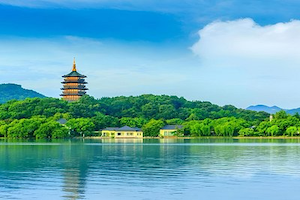
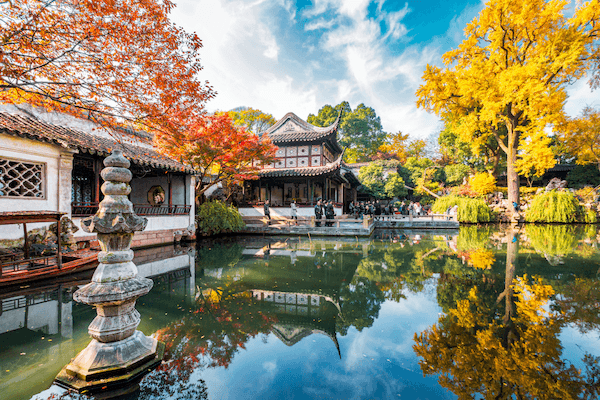
The Beijing-Hangzhou Grand Canal feels completely different from the postcard version of Hangzhou. Instead of scenic causeways and crowded viewpoints, you'll find riverside neighborhoods, glowing bridges, quiet tea houses, old warehouses turned into cafés, and local residents still living everyday life along the water. Especially at night, the canal becomes one of the most atmospheric places in Hangzhou. If West Lake shows you Hangzhou's beauty, the Grand Canal shows you its soul. This guide covers everything you actually need to know before visiting — including the best Grand Canal cruise routes, hidden walking areas, photography spots, local food, and the experiences most tourists completely miss.
What You Should Know Before Visiting
Location & Best Areas
The Grand Canal in Hangzhou stretches through several neighborhoods, but not every section is equally worth your time. If this is your first visit, focus on the northern canal area, where the atmosphere is best preserved and easiest to explore on foot. Here's a quick breakdown of the most worthwhile canal areas:
Area | Best For | Atmosphere |
Gongchen Bridge | First-time visitors | Classic canal scenery |
Xiaohe Street | Cafés & photography | Artistic & relaxed |
Qiaoxi Historic District | History lovers | Traditional |
Dadou Road | Food & tea houses | Slow & local |
Most visitors only stay near one bridge, take a few photos, and leave. The real charm of the Grand Canal comes from walking slowly between these neighborhoods.
Opening Hours & Best Visiting Time
The canal itself is open all day, but the experience changes dramatically depending on the time you visit. The best time to explore is usually from late afternoon into the evening. Around sunset, the riverside light softens, cafés begin to glow, and the canal slowly becomes more atmospheric. About 20–30 minutes after sunset — during blue hour — is when the reflections become especially beautiful. Weekday evenings are ideal if you want a quieter experience. The worst time to visit is usually summer afternoons, when the heat and humidity can make canal walking uncomfortable. Chinese national holidays can also become extremely crowded, especially around Gongchen Bridge.
Entrance Fees
Walking around the Grand Canal area is completely free. Some museums along the canal may charge small entrance fees, while canal cruises are ticketed separately. Prices vary depending on the route and time of day, but evening cruises are generally considered the best value for first-time visitors.
Understanding the Beijing-Hangzhou Grand Canal
Why the Grand Canal Matters in Chinese History
The Beijing-Hangzhou Grand Canal is the longest man-made canal in the world and one of China's most important historical engineering projects. It connected northern and southern China for centuries, transporting tea, silk, grain, and goods between major cities. Today, it is also recognized as a UNESCO World Heritage Site. But unlike many historic attractions in China, the canal is not frozen in time. That's what makes Hangzhou's section special — it still feels alive.
Why Hangzhou Is One of the Best Places to Experience It
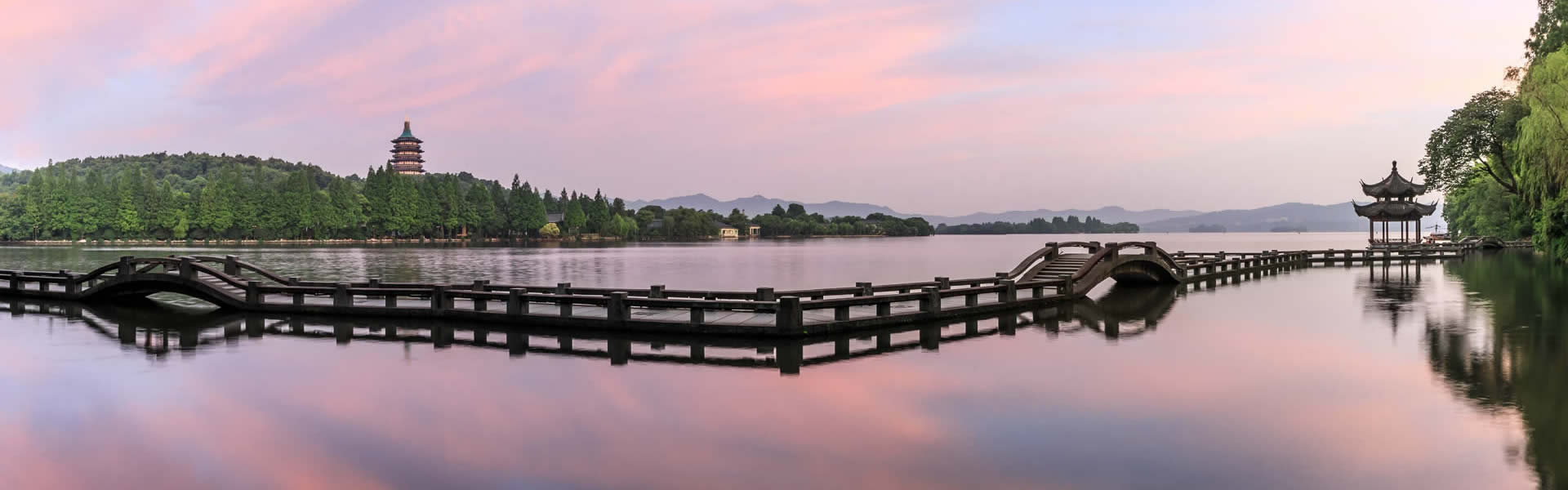
Hangzhou sits at the southern end of the canal, and historically it was one of the wealthiest trading cities connected to the waterway. Even today, you can still feel traces of that merchant culture in the old warehouses, riverside streets, and traditional neighborhoods. Compared to some heavily commercialized ancient towns, Hangzhou's Grand Canal feels more natural and lived-in. Elderly locals still gather beside the water to drink tea. Residents walk dogs along the riverside paths. Small convenience stores sit beside restored historical buildings. The city never completely separated modern life from the canal — and that's exactly why it feels authentic.
Grand Canal vs West Lake: What's the Difference?
This is one of the most common questions visitors ask before coming to Hangzhou. The truth is: they offer completely different experiences.
West Lake | Grand Canal |
Scenic beauty | Urban culture |
Nature-focused | Lifestyle-focused |
Famous landmarks | Local atmosphere |
Tourist-heavy | More relaxed |
West Lake is visually iconic. The Grand Canal is emotional and atmospheric.If you enjoy slow travel, street photography, cafés, local neighborhoods, and seeing how people actually live, the canal often becomes the bigger surprise.
How to Explore the Grand Canal Properly
One of the biggest mistakes visitors make is treating the Grand Canal like a quick sightseeing stop. The canal works best when experienced slowly.
The ideal experience usually looks something like this: ate afternoon arrival → riverside walking → dinner near the canal → blue hour photography → night cruise.
Instead of rushing between landmarks, allow time to sit, wander into side streets, and experience the atmosphere changing as the sky gets darker.
Who Will Actually Enjoy the Grand Canal?
Traveler Type | Recommended? | Why |
First-time Hangzhou visitors | Yes | Very different from West Lake |
Couples | Highly recommended | Romantic evening atmosphere |
Families | Yes | Easy walking & boat rides |
Photography lovers | Excellent | Reflections & bridge lighting |
Slow travelers | Perfect | Best explored without rushing |
Travelers expecting a "Disney-style ancient town" may feel confused at first. The Grand Canal is more subtle. It's not about dramatic attractions — it's about atmosphere.
Best Time of Day to Visit
The canal becomes noticeably more beautiful from sunset onward. During the day, you'll see more historical details and museums, but the emotional side of the canal really appears at night. Reflections from bridges and riverside buildings create one of the most cinematic urban landscapes in Hangzhou. Rainy evenings can actually make the canal even prettier, especially in spring.
Grand Canal Highlights You Shouldn't Miss
Gongchen Bridge — The Classic Canal View
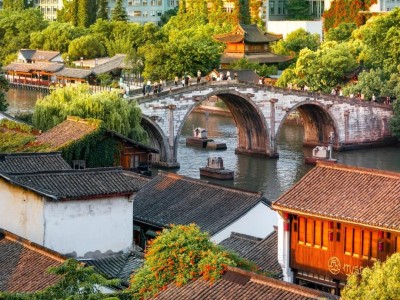
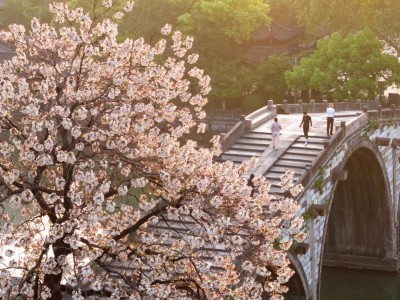
Gongchen Bridge is the most iconic section of the Grand Canal and usually the best place for first-time visitors to begin. The stone bridge itself is beautiful, but the real highlight is the atmosphere around it — boats passing underneath, warm lights reflecting on the water, and locals gathering nearby after dinner. At night, this becomes one of the best photography spots in Hangzhou.
Local Tip: The best viewing angle is usually from the riverside walkway slightly south of the bridge, especially during blue hour.
Best for: First-time visitors/ Night photography/ Canal cruises
Xiaohe Street — The Creative & Relaxed Side
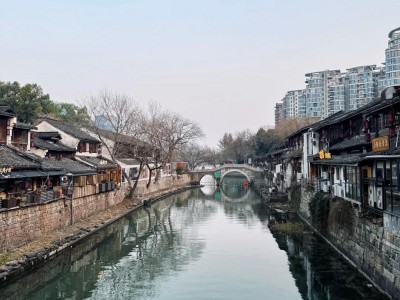
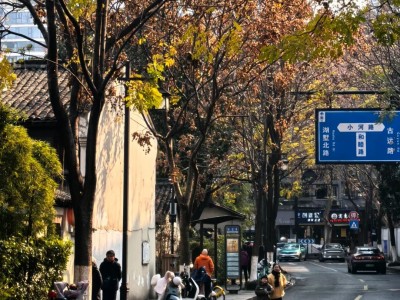
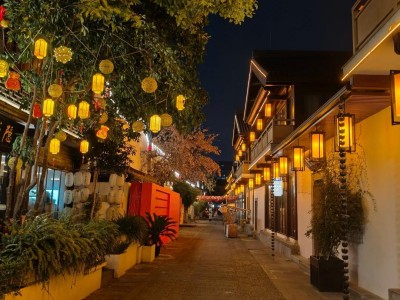
Xiaohe Street feels younger and more artistic than other canal areas. Many old riverside houses have been transformed into cafés, design shops, tea spaces, and small studios. Compared to the busier canal sections, Xiaohe feels quieter and slower. It's a great place to stop for coffee, especially during late afternoon. Photography is usually best here in the early evening, when warm indoor lighting starts glowing against the old architecture.
Best for: Coffee lovers/ Slow walks/ Lifestyle photography
Dadou Road — Best Area for Evening Dining
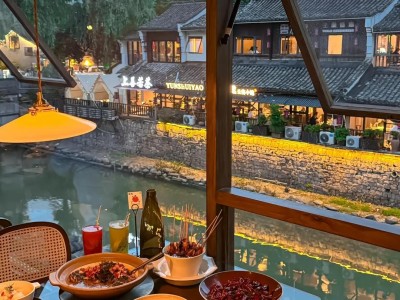
Dadou Road is one of the best places to slow down before taking a night cruise. The area is known for riverside restaurants, tea houses, and relaxed evening walks. It feels less commercial than many tourist food streets in China, which makes it particularly enjoyable at night. This is a good place to try Hangzhou-style cuisine before continuing toward the cruise piers.
Best for: Dinner/ Tea houses/ Evening atmosphere
Canal Museums Worth Visiting
Most visitors don't need to visit every museum along the canal. A few are genuinely interesting, while others are more optional.
The most worthwhile choices are usually:
· China Grand Canal Museum
· Knife, Scissors & Sword Museum
· China Fan Museum
Even if you're not deeply interested in history, these museums help explain how the canal shaped everyday life in old Hangzhou.
Grand Canal Cruise in Hangzhou
Is the Night Cruise Worth It?
Yes — especially for first-time visitors. The canal is pleasant during the day, but the night cruise is what makes many travelers truly fall in love with the area. As the boat moves slowly beneath old bridges, reflections from lanterns and riverside buildings ripple across the water. Some sections feel cinematic rather than touristic. The cruise is less about "seeing attractions" and more about experiencing atmosphere.
Day Cruise vs Night Cruise
Day Cruise | Night Cruise |
Better for architecture details | Better atmosphere |
More relaxed | More memorable |
Easier museum combination | Better reflections |
Less dramatic | More emotional |
(Local Tip: If you only choose one, choose the night cruise.)
Best Cruise Routes
Route | Best For | Duration | Highlights |
Short Cruise | Casual visitors | 30–40 mins | Main canal scenery |
Evening Cruise | First-timers | Around 1 hour | Best night views |
Water Bus Style | Budget travelers | Flexible | Local commuting atmosphere |
Where to Board the Cruise
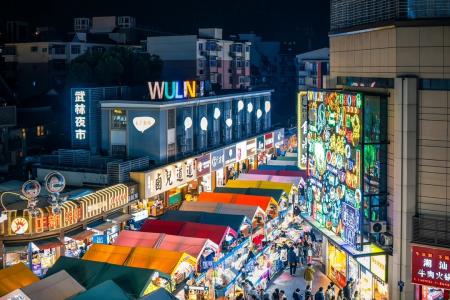
The two most common boarding areas are Gongchen Bridge and Wulinmen.
Local Tip: For most first-time travelers, Gongchen Bridge is usually the better overall experience.
Common Cruise Mistakes to Avoid
One of the most common mistakes is arriving too early. The canal looks far more atmospheric after sunset.
On weekends, evening cruises can become crowded, so arriving around 30 minutes early is a good idea.
Rainy evenings often create the best reflections and mood, so don't cancel too quickly because of light rain.
In summer, bring mosquito repellent. In winter, the river wind can feel surprisingly cold at night.
Food & Cafés Along the Canal
Best Local Foods to Try
The canal area is a great place to try traditional Hangzhou-style dishes.Popular local foods include:
· Cong Bao Hui (crispy scallion pancake wrap)
· Pian Er Chuan noodles
· Ding Sheng Gao rice cakes
· classic Hangzhou cuisine dishes
Compared to tourist-heavy food streets, the canal dining atmosphere usually feels calmer and more local.
Riverside Cafés Worth Stopping At
Some of the best canal experiences come from simply sitting beside the water for an hour. Many cafés around Xiaohe Street and nearby canal lanes are designed inside restored historical buildings, mixing old Hangzhou architecture with modern interiors. Even visitors who normally skip cafés often end up lingering longer than expected here. Here are a few coffee shops with unique characteristics:
Qingsan Coffee: A charming, standalone little building situated right by the river. The wood-themed decor creates a wonderfully cozy atmosphere. Sitting by the window on the second floor, you look out directly onto the Grand Canal—with a gentle breeze blowing through, it makes for a truly delightful experience.
Baopu Coffee: This retro-style café comes highly recommended by many; its atmosphere is warm and imbued with a sense of history. It tends to be less crowded if you visit on a weekday afternoon—making it the perfect spot to grab a drink and catch up with friends.
Guanli: Situated right beside Gongchen Bridge, this is a cultural and creative space that also incorporates a museum. The shop's hand-poured coffee is highly acclaimed.
Useful Tips from Buer China Travel
Early Morning Local Life
Most tourists only see the canal at night, but mornings reveal a completely different atmosphere. Locals practice tai chi beside the water, elderly residents gather for tea, and small market boats occasionally move through quieter sections of the canal. It feels much more local than touristy.
Blue Hour Is Better Than Sunset
Many visitors leave too early. The best canal photography often happens 20–30 minutes after sunset, when the sky still holds color but the city lights are already reflected on the water.
Rainy Days Make the Canal More Beautiful
Light rain adds a soft Jiangnan atmosphere to the canal area. Reflections become stronger, crowds thin out, and the old stone walkways feel more cinematic. For photography lovers, rainy evenings can actually be ideal.
The Quiet Canal Areas Tour Groups Rarely Reach
The smaller residential lanes near Xiaohe Street are often more interesting than the main tourist walkways. These quieter sections feel more personal and reveal what everyday canal life still looks like in Hangzhou.
Canal During Festivals
During Mid-Autumn Festival and Chinese New Year, the canal area often becomes beautifully illuminated at night. Dragon Boat Festival can also bring special cultural activities and increased boat traffic along certain sections.
The Right Side of the Boat Usually Has Better Night Views
On many evening cruise routes, the right side often gets slightly better views of illuminated buildings and bridge reflections during certain sections of the ride. If possible, try boarding early and choose seats closer to the window instead of the center.
Don't Expect an "Ancient Water Town"
Some visitors, drawn by the canal's reputation, arrive expecting to find a scene akin to Wuzhen or Venice—only to find themselves somewhat perplexed. The Grand Canal is not a meticulously preserved "film-set" style ancient town; rather, it is a vibrant, modern urban waterway. Ancient warehouses stand side-by-side with modern apartment buildings, and traditional teahouses sit right next to convenience stores. This very juxtaposition of old and new constitutes its unique charm; by understanding this in advance, visitors can gain a far deeper appreciation for the true essence of the Grand Canal.
Our Favorite First-Time Canal Plan
If we were recommending the ideal first visit to friends, we'd suggest this: Start near Gongchen Bridge around sunset → slowly walk through Qiaoxi and Xiaohe Street → stop for coffee or tea → have dinner near Dadou Road → finish with a night cruise. That combination usually gives visitors the best balance of scenery, atmosphere, local life, and photography in a single evening.
FAQ
Is the Hangzhou Grand Canal free to visit?
Yes. Walking around the canal areas is free, though cruises and some museums require separate tickets.
Is the night cruise better?
For most visitors, yes. The atmosphere and reflections are much more memorable at night.
How do I book canal tickets?
Tickets can usually be purchased on-site or through local apps and travel platforms.
Can foreigners buy tickets easily?
Yes. Most major cruise piers can accommodate foreign visitors, though having a translation app helps.
Is the Grand Canal crowded?
Compared to West Lake, the canal is generally less crowded, especially on weekdays.
How far is the Grand Canal from West Lake?
By car or taxi, it's usually around 20–30 minutes depending on traffic.
Is the Grand Canal good for kids?
Yes. The flat walking areas and boat rides make it family-friendly.
Which area is best for photography?
Gongchen Bridge and Xiaohe Street are usually the best areas for photography, especially during blue hour and after rain.
West Lake may be the image most people associate with Hangzhou, but the Grand Canal often becomes the part visitors remember most vividly afterward. Not because it is louder or more famous — but because it feels real. The canal is where Hangzhou slows down. Where old bridges meet apartment windows glowing at night. Where locals still gather beside the water after dinner. Where the city feels lived-in rather than displayed. It may not be the first thing people picture before arriving in Hangzhou, but for many travelers, it quietly becomes their favorite part of the city.