Most travelers stick to West Lake when they visit Hangzhou—and that's a shame. The real soul of this city isn't just in its scenery; it's woven into silk and steeped in tea. If you want to truly understand Hangzhou, skip the crowded lakefront for a few hours and dive into its two most iconic museums: the China National Silk Museum and the China National Tea Museum. Visiting the right museum here isn't just about "seeing exhibits." It's one of the easiest ways to actually experience the culture behind what you see outside.
What You Should Know Before Visiting
Are Hangzhou museums free?
Most major museums (including silk and tea) are free, but some may require passport registration
Opening hours
Usually 9:00–17:00 (last entry around 16:30), closed on Mondays.
Do you need a reservation?
No appointment is required for the Silk Museum, but an advance appointment is needed for the Tea Museum.
Language support
English signs are limited. Basic Chinese or a translation app helps.
Best time to visit
Morning or late afternoon — avoid midday tour groups.
Silk vs Tea: Quick Comparison
Museum | Best For | Time | Location | Style |
National Silk Museum | History lovers, fashion fans, deep culture | 1.5–2.5 hours | Near West Lake (South) | Indoor |
National Tea Museum | Relaxed travelers, nature lovers, slow travelers | 3-4 hours | Longjing area | Indoor + Outdoor |
Quick decision:
· Short on time → go Silk
· Want something relaxing → go Tea
· Don't like traditional museums → Tea is easier to enjoy
· Curious about Chinese culture → Silk is more informative
Hangzhou's Top 2 Themed Museums: Silk & Tea
China National Silk Museum
One of the largest silk museums in the world, this place goes far beyond basic history. It tells the full story of silk—from ancient sericulture to modern fashion. It's not just old fabrics; it's Hangzhou's most elegant cultural landmark. Unlike many traditional museums, this one feels closer to a design and culture exhibition than a purely historical space.
Highlights
· Silk Road Hall: The main exhibition hall; its interior spiral staircase is a popular spot for photography.
· Fashion Hall: Offers insights into the history of Chinese fashion development; the open-air terrace on the lower level provides excellent views.
· Restoration Hall: Allows visitors to observe the daily work of cultural relic conservators, lending the space an air of mystery.
Best For: History lovers, fashion enthusiasts, photographers, and anyone who wants to see royal costumes and ancient textiles.
Not ideal if: You prefer quick, light experiences
What You'll Actually Experience
· Expect: Glass cases of old silk
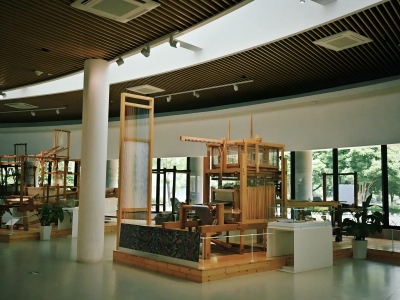
· Reality: Gorgeous imperial robes, detailed silk-making tools, contemporary design exhibitions, and huge, bright halls.
You'll walk through displays about silk farming, weaving techniques, dynastic costumes, and even modern silk art.
What It Actually Feels Like to Be There
The first thing you notice is space.
· It's large, quiet, and not crowded
· No strict route—you can explore at your own pace
· Some sections pull you in, others you'll naturally skip
It feels less like rushing through exhibits, more like slowly exploring layers of a culture
What to Focus On
· You don't need to see everything—the first major sections are the most valuable
· Later galleries can feel repetitive; it's okay to skip
· Decide early how deep you want to go
Local Tip: Late afternoon is usually quieter and more comfortable
Pros
Rich cultural depth
Visually more interesting than expected
Calm, uncrowded environment
Cons
Very large → can be tiring
Mostly visual, not interactive
Can feel dense if you're not interested
Practical Info
· Address: No. 73-1, Yuhuangshan Road, Xihu District, Hangzhou.
· Opening Hours: 9:00 —17:00 (Last entry at 16:30; closed on Mondays).
· Admission: Free; no reservation required. (Although no appointment is required, it tends to get quite crowded on holidays and weekends. For a better experience, we recommend visiting on a weekday—either in the morning or before 4:00 PM.)
· Transportation: Take Metro Line 12 to "Silk Museum Station" (Exit B), or take bus routes 12, 42, etc., directly to the site.
· Luggage Storage: Small items may be stored in the self-service lockers located in the Silk Road Hall; larger items can be left at the Visitor Center.
· For Stamp Enthusiasts: Free stamping stations—where you can collect silk-themed souvenir stamps—are available at the service desk on the first floor of the Silk Road Hall and at the exit of the Temporary Exhibition Hall within the Fashion Hall.
· Dining: The museum features a cafe offering light meals; however, prices are on the higher side, so bringing your own snacks or food is recommended.
· Time needed
Quick visit: ~1.5 hour
Normal visit: 2-3 hours
China National Tea Museum
China's only national-level tea museum—but it doesn't feel like a museum in the usual sense.
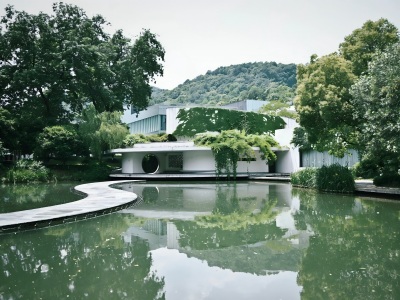
It's more like a space where exhibitions and nature blend together, set within the tea-growing landscape itself. It comprises two distinct sections—the Shuangfeng District and the Longjing District—which are located in close proximity to each other, yet each possesses its own unique focus.
Best For: Travelers who hate crowded museums, tea lovers, nature fans, and anyone wanting a slow, calming experience.
Not ideal if:
You want deep, structured learning
You're very short on time
-Shuangfeng Branch(Specializing in Chinese Tea Culture)
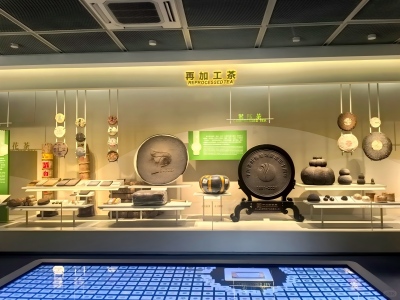
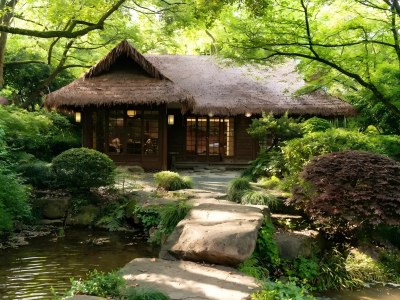
Highlights: Featuring a quintessential Jiangnan garden aesthetic, the site is nestled amidst hills and waters, offering a remarkably tranquil atmosphere. The main exhibition hall houses a massive Pu'er tea brick weighing 360 kilograms—a truly striking visual spectacle. Outside the museum, the stone arch bridge spanning the stream and the thatched-roof tea pavilion serve as popular photo spots, ideal for capturing images with a Japanese-inspired Zen aesthetic.
Address: No. 88 Longjing Road, Xihu District, Hangzhou.
Transportation: Take Metro Line 3 to "Huanglongdong" Station. Exit via Gate B, then transfer to Bus No. 87 or No. 27 and alight at the "Shuangfeng" stop.
-Longjing Branch (Focus: World Tea Culture)
Highlights: Formerly a private garden, this site is now open to the public free of charge and tends to be less crowded. The primary focus of the exhibitions is world tea culture, offering visitors the opportunity to learn about the tea-drinking customs of various nations. A highly recommended experience is to ascend the stone-stepped path to the Tea Altar at the summit, where you can enjoy a panoramic view overlooking Longjing Village and the vast expanse of tea plantations—the scenery is truly magnificent.
Address: No. 268 Wengjiashan, Xihu District, Hangzhou.
Transportation: Take a public bus directly to the "Tea Museum —Longjing Branch" stop.
· Inter-Museum Transport: To travel from the Shuangfeng section to the Longjing section of the museum complex, you have several options: walking (approx. 30–40 minutes, with scenic views along the way), taking a public bus (Routes 27 or 87), or taking a taxi (approx. 10 minutes).
What You'll Actually Experience
· Expect: Displays about tea history and tools
· Reality: A mix of indoor exhibits and outdoor walking spaces
Walk through green tea fields, enjoy fresh air, and sometimes watch tea picking or simple tea ceremonies.
· Visitor Experience
Stamp Collecting: The museum offers a stamp-collecting activity; you can get souvenir stamps at the Visitor Center and in select exhibition halls (such as Hall 5). Remember to pick up a guidebook in advance.
Interactive Experiences: The "Tea Workshop" (*Lecha Gongfang*) located in the Shuangfeng District is quite engaging; it features interactive installations where you can sample tea aromas and learn about tea culture—perfect for families with children or for those who enjoy hands-on activities.
Complimentary Tea Tasting: If you are lucky, you may catch a free tea-tasting session at the Tea Art Experience Zone in the Shuangfeng District during weekends or specific time slots.
Local Tip: The blue thatched cottage located outside Exhibition Hall 7 is an incredibly popular photo spot. However, the interior of the cottage houses a paid teahouse, and staff members may discourage photography inside; it is recommended to take photos only from the outside.
What It Actually Feels Like to Be There
· No pressure to "see everything"
· You move between indoor and outdoor spaces naturally
· You'll likely slow down without realizing it
It feels more like a walk than a visit
What to Focus On
· Don't try to cover everything—pick one area and enjoy it
· The outdoor sections are often more memorable than the exhibits
· Avoid midday heat; it changes the entire experience
Pros
· Relaxing and easy to enjoy
· Beautiful natural setting
· Less mentally tiring
Cons
· Not very information-heavy
· Requires walking
· Weather can affect the experience
Practical Info
· Admission: Free; online reservation is recommended. (Reservations can be made via the "China National Tea Museum" WeChat Official Account.). Reservations may be made up to 3 days in advance (inclusive of the current day).
Important Reminder: Separate reservations are required for the Shuangfeng and Longjing branches—please be sure to select the correct one!
· Opening Hours: Tuesday through Sunday, 9:00–16:30 (last entry at 16:15 or 16:00); closed on Mondays (except for public holidays). Opening hours may be subject to adjustment during holidays—for instance, hours may be shortened on Lunar New Year's Eve—so we recommend checking our official WeChat account for confirmation prior to your visit.
· Dining & Refreshments: The prices for food and refreshments within the museum are on the higher side—a bowl of wontons might cost 25 yuan, and a savory pastry could be 58 yuan—so it is best to be mentally prepared for this in advance.
· Surrounding Attractions: Just outside the museum lies a vast expanse of Longjing tea plantations. The air is fresh and crisp, making it an ideal setting for a relaxing stroll.
· Accessibility-Friendly: The museum has given thoughtful consideration to accessibility facilities. Many exhibition displays feature Braille descriptions, and video viewing areas are equipped with AI sign language interpretation—a truly heartwarming touch.
How to Combine Your Visit (Without Rushing)
If you're planning to visit both the Silk Museum and the Tea Museum in one day, the biggest mistake isn't time—it's pacing. These two places require completely different energy:
· One needs focus (Silk)
· One works best when you slow down (Tea)
The key is not "fitting them in," but arranging them in the right order and depth
Option 1: Half-Day Strategy (When Time Is Limited)
If you only have half a day, don't try to squeeze both in. Choose one, based on your goal:
· Want cultural understanding → go to the Silk Museum
· Want a relaxed experience → go to the Tea Museum
Better to experience one properly than rush through both
Option 2: Full-Day Plan (Recommended, If Done Right)
Step-by-step flow:
Morning (9:00 – 11:30)→ Start with the Silk Museum
Go early when it's quieter, spend about 1.5–2 hours and focus on the main sections, don't try to see everything
By late morning, you'll start to feel "information fatigue"—that's your signal to leave
Midday Buffer (11:30 – 13:00)→ Take a break (lunch / rest)
This step is crucial. Skipping it is where most people go wrong.
Afternoon (13:30 – 16:30+)→ Head to the Tea Museum
· Don't rush inside—walk slowly
· Mix indoor + outdoor
· Allow yourself to stop, sit, or wander
This is where your day "opens up" instead of getting more tiring
Why This Order Works (And the Reverse Doesn't)
Silk → Tea (Recommended)
· Start with focus
· End with relaxation
Tea → Silk (Common mistake)
· You walk first → get physically tired
· Then go into a museum → harder to concentrate
Result: both experiences feel worse
How Deep Should You Go? (Very Important)
Silk Museum= selective viewing
Stay focused on key sections
Don't aim for "complete coverage"
Tea Museum= open-ended experience
Depth matters less than rhythm
Walking slowly is more valuable than seeing more
Best Timing Within the Day
Silk Museum → earlier is better (fewer people, better focus)
Tea Museum → afternoon is better (softer light, more relaxed vibe)
Late afternoon at the tea museum often feels completely different from midday
When NOT to Combine Them
Skip the double-museum day if:
· It's extremely hot or raining
· Your schedule is already packed
· You really just care about one experience
Local Tip: Quality > quantity. One great visit is better than two rushed ones.
Local Insight (What Most People Get Wrong)
Most visitors don't run out of time—they run out of energy.
They:
· spend too long at the Silk Museum
· arrive at the Tea Museum already tired
· rush through what should be the most relaxing part
The fix is simple: leave earlier than you think, and slow down later than you expect
Common Tourist Mistakes to Avoid
Even if you plan your visit carefully, there are a few subtle mistakes that can quietly ruin the experience—not because they're obvious, but because they seem reasonable at first. Here are the ones we see most often.
Trying to Visit Too Many Museums in One Day
It sounds efficient: "I'll just visit both museums quickly." But in reality, both places are larger than they appear—and more importantly, they require different types of energy.
· The Silk Museum needs focus and time
· The Tea Museum works best when you slow down
What happens if you rush both:
You end up tired in the first half, and impatient in the second. Neither experience feels complete.
Better approach: Choose one if you're short on time—or follow a structured full-day plan with breaks.
Skipping the Tea Museum Thinking It's "Just About Tea"
A lot of visitors assume the tea museum is niche or only interesting if you're really into tea. That's usually a misjudgment.
The reality: It's less about "learning tea facts" and more about the environment and pace. Many people who skip it miss out on one of the most relaxing cultural experiences in Hangzhou.
Better approach: If you're not into traditional museums, this is actually the better choice—not the one to skip.
Underestimating How Large the Museums Are
On a map, both museums look manageable. In person, they're not.
The Silk Museum has multiple large exhibition halls
The Tea Museum is spread across different areas, including outdoor space
What happens:
Visitors don't plan their time, walk more than expected, and get tired halfway through.
Better approach:
Set a time limit before you start—and allow yourself to skip sections.
Going at Midday (Peak Crowds + Worst Timing)
Many people visit museums right after lunch, assuming it's a "quiet indoor activity." Unfortunately, that's exactly when:
· Tour groups arrive
· The indoor spaces feel more crowded
· The outdoor tea museum feels hotter and less enjoyable
Better approach:
· Visit the Silk Museum earlier in the day
· Visit the Tea Museum later in the afternoon
This simple shift can completely change the experience.
FAQ
1. Are Hangzhou museums free?
Yes, most major ones are free.
2. Which museum is best for first-time visitors?
Silk Museum for cultural understanding; Tea Museum for experience.
3. Is the Tea Museum worth visiting?
Absolutely—especially if you want a relaxed, local-style day.
4. Can I combine Tea Museum with Longjing Village?
Yes! They're close—great for a full tea-themed day.
5. Do museums in Hangzhou have English guides?
Limited. Don't rely on full English support.
6. Are museums crowded?
Usually not, except midday or holidays.
7. What's the best museum for kids?
Tea Museum is generally easier and more engaging.
8. How long do I need for the Silk Museum?
1.5 to 2.5 hours, depending on how much you read.
Most people come to Hangzhou for the views—and leave with photos of West Lake. But if you slow down just a little, you'll realize the city isn't only something to look at. It's something to understand.
The Silk Museum gives you context.
The Tea Museum gives you feeling.
One helps you see how this place was shaped over time. The other lets you experience the rhythm it still lives by today. And in the end, it's not about how many museums you visit, or whether you "covered everything." It's about choosing the one that matches how you want to experience Hangzhou—and giving it enough time to actually feel it. If you do that, even just one museum can change how you see the entire city.