If you're traveling to Hangzhou, one of the first questions you'll ask is: how to get around Hangzhou easily and safely? The good news is transport in Hangzhou is modern, affordable, and far more foreigner-friendly than many people think. This guide is written for first-time visitors, backpackers, families, and solo travelers. We cover everything you need to know about Hangzhou transportation. No confusing jargon, only real, tested advice you can use on day one.
Things to Know Before Getting Around Hangzhou
Most foreigners arrive with wrong ideas. Here's what actually surprises travelers:
· The metro is excellent — but not always the fastest
For long-distance movement across the city, the metro is usually the best option. But once you enter scenic areas like West Lake or the tea villages, walking or cycling often becomes faster and more enjoyable than trains or cars.
· Didi costs much less than Uber or Lyft in Western countries
A 20–30 minute ride in Hangzhou can sometimes cost less than a short Uber trip in cities like London or Los Angeles. This is why many travelers end up using Didi far more than expected.
· Alipay works for almost everything — metro, buses, Didi, taxis, bikes
One of the biggest changes for foreign visitors in recent years is how convenient mobile payment has become in China. In Hangzhou, Alipay can usually handle almost your entire transportation experience:
Metro tickets / Bus rides / Didi payments / Shared bikes / Taxi payments
Once your Alipay account is properly connected to an international card, moving around the city becomes dramatically easier. Many locals barely carry wallets anymore.
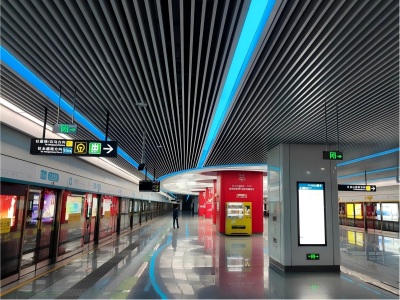
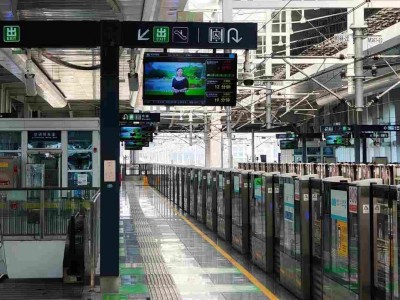
· Metro stations have clear English signs so you won't get lost easily
This surprises many first-time visitors to China. Most metro stations in Hangzhou have:
English station names / English direction signs / Bilingual ticket machines / Clear transfer indicators. Compared with many cities around the world, Hangzhou's metro system is actually quite foreigner-friendly.
· Taxis are safe and reliable, but language barriers are common
Traditional taxis in Hangzhou are generally very safe, especially compared with some heavily tourist-oriented cities in other countries. The real issue is communication. Many taxi drivers speak little or no English, especially older drivers. Having your destination written in Chinese — or simply showing a map screenshot — makes the experience much smoother.
· West Lake traffic gets very slow on weekends and holidays
The rest of Hangzhou may feel smooth and modern, but traffic around West Lake during weekends and holidays can become extremely slow. Locals often avoid driving there altogether.
· Walking is part of the Hangzhou experience
Unlike some cities where transportation is simply about "getting somewhere," Hangzhou rewards slow movement. Lakeside paths, tea hills, hidden alleys, and cycling roads are part of the experience itself.
Is Hangzhou Easy to Get Around?
Yes — especially compared with many major Chinese cities.
Most travelers find Hangzhou surprisingly manageable because the city's main tourist zones are relatively concentrated. Places like West Lake, the downtown shopping areas, tea villages, and historical sites are connected well enough that you rarely feel trapped far from transportation.
Another reason first-time visitors feel less stressed here is that Hangzhou's transportation system feels more intuitive. Metro stations have bilingual signage, ticket machines support English, and public areas generally feel safe even at night. The city also has a softer pace compared with Beijing or Shanghai. You're less likely to feel constantly rushed, and distances between major attractions are often shorter than they appear on the map.
One common misconception is that Hangzhou is "too large" to explore comfortably. While the metropolitan area is huge, the areas most tourists visit are concentrated around:
· West Lake
· Downtown commercial districts
· Tea plantation areas
· Xixi Wetland
· Railway stations
Once you understand this layout, the city becomes much easier to navigate.
How to Choose Best Transportation
Hangzhou Metro (Best for Most Tourists)
The metro is the backbone of transportation in Hangzhou. For most foreign visitors, it quickly becomes the easiest and most reliable way to move around the city.
Why tourists love the metro:
· Cheap and predictable
· English station names
· Air-conditioned and clean
· Avoids traffic completely
· Safe even late at night
Metro lines tourists use most:
Line 1: connects major commercial areas and railway stations
Line 3: useful for some scenic and residential areas
Line 19: fast airport connection
Line 5: connects important transfer areas
Things that confuse first-time visitors
The biggest issue is usually not the trains themselves — it's the stations. Some metro stations in Hangzhou are surprisingly large underground. A wrong exit can easily add 10–15 extra minutes of walking, especially near West Lake. Long underground transfers between lines can also feel exhausting if you have luggage.
When not to use the metro:
There are situations where locals would avoid it:
· Visiting tea villages like Longjing
· Going directly to mountain areas
· Traveling during heavy rain with luggage
· Scenic hopping around West Lake
Sometimes a Didi or bike is simply more comfortable.
Didi — China's Uber for Foreigners
Didi is the most popular ride-hailing app and a must for how to get around Hangzhou comfortably. If you've used Uber before, the experience feels familiar — but there are a few local realities worth understanding first.
Can foreigners use Didi?
Yes. Most travelers use Didi through:
· Alipay / WeChat mini-app
· The standalone Didi app
· International phone numbers
In most cases, setup is easier than people expect.
How to use Didi as a foreigner:
· Download the Didi app.
· Register with your phone number.
· Enter your pickup and drop-off location.
· Choose your ride type (Economy, Premium, etc.).
· Confirm and wait for your driver.
Common problems foreigners face
· Drivers calling in Chinese
This is probably the most stressful moment for first-time visitors. Usually, the driver simply wants to confirm your pickup location. If you don't understand Chinese, sending: "I am standing near the main entrance", through translation apps usually works fine.
· Wrong pickup points
This happens frequently around malls, scenic areas, and metro stations. A common mistake is pinning your location inside a scenic area instead of at a visible roadside entrance.
· Holiday frustrations
During Chinese holidays or rainy evenings, Didi demand can surge dramatically. Wait times become much longer near West Lake. Locals often walk a few blocks away from crowded scenic entrances before booking.
Where Didi works extremely well
· Railway stations
· Downtown commercial areas
· Evening returns to hotels
· Tea village transport
· Late-night rides
Areas where Didi becomes frustrating
· Lingyin Temple exits during peak hours
· West Lake holidays
· Concert or show endings
· Rainy weekends
Taxis
Traditional taxis still exist everywhere in Hangzhou, although many locals now prefer Didi.
Are taxis safe?
Generally yes. Taxi scams are relatively uncommon compared with some tourist-heavy destinations in other countries.
Peak hours: 7:00–9:00 and 17:00–19:00 are busy.
What tourists should prepare
The biggest issue is usually language. It helps enormously to have:
· Your destination written in Chinese
· Hotel business cards
· Screenshots from maps
· Useful Chinese phrase: "Wo qu ____" = I'm going to ____.
Do taxis take cards?
Usually no. Most drivers prefer:
· Alipay
· WeChat Pay
· Cash
Some taxis may not have enough change for large bills.
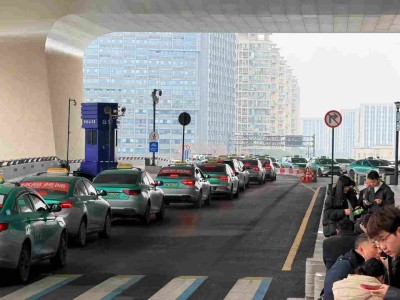
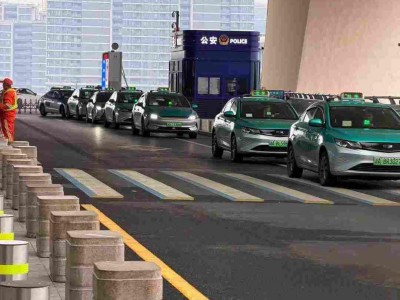
Pros: Dedicated queuing areas are available at major transportation hubs—such as train stations and airports—meaning you won't have to wait too long.
Cons: The fares are relatively expensive, particularly in popular areas like the West Lake Scenic Area, where you may encounter drivers who deliberately drive slowly or take detours to rack up "low-speed waiting fees." Fares also increase during holidays and at night.
Buses
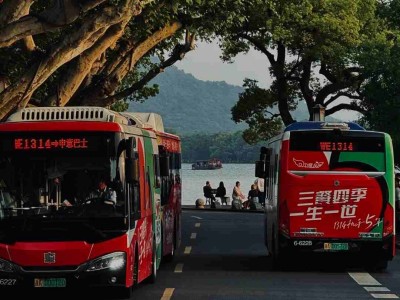
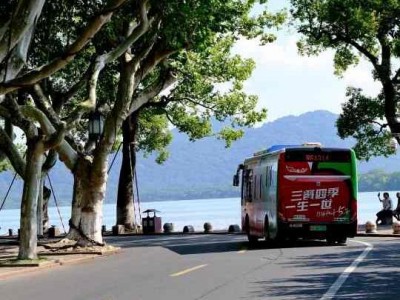
Buses are cheap and extensive, but they are not the easiest option for first-time foreign travelers. Many routes lack clear English announcements, and boarding can feel confusing during busy periods. That said, buses can be surprisingly enjoyable for slower travelers who want to experience local daily life beyond tourist zones. They're also useful for shorter scenic routes around West Lake where metro coverage is limited.
Pros:
Extensive Coverage, Direct Access to Attractions: A major priority for Hangzhou's public bus system is serving the West Lake Scenic Area. The network features numerous shuttle routes and dedicated tourist lines that can transport you directly to various corners of the scenic area—including spots inaccessible by subway.
Comfortable and Clean Vehicles: Modern Hangzhou buses are generally clean and tidy, featuring powerful air conditioning and—increasingly—onboard charging ports.
Diverse Payment Options: Buses accept a wide variety of payment methods—including Alipay, WeChat Pay, UnionPay cards, and local transit cards—making the system highly tourist-friendly.
Patient Drivers: Hangzhou bus drivers are generally patient and considerate; they typically wait until all boarding passengers have found a seat and are seated securely before pulling away—a thoughtful gesture that is much appreciated.
Cons:
Scenic Routes Are "Hotspots" for Trouble: During holidays or weekends, traveling to popular attractions like West Lake or Lingyin Temple via public transport can be extremely crowded.
Drivers Can Be "Aggressive": Hangzhou bus drivers tend to drive quite fast—especially on the winding mountain roads within scenic areas—meaning that anyone hoping to leisurely admire the scenery might instead end up feeling dizzy and nauseous from the swaying motion.
Complex Route Numbering: Hangzhou's bus route numbers are incredibly diverse and varied—ranging from simple numbers to combinations of letters and numbers, and even four-digit codes. First-time visitors may find themselves overwhelmed and bewildered by the sheer variety of route designations.
Walking & Shared Bikes: The Best Way to Experience West Lake
One thing many visitors underestimate is how walkable Hangzhou can feel. Around West Lake especially, transportation becomes less about efficiency and more about atmosphere.
Why walking matters in Hangzhou
Some of the city's best moments happen between destinations:
· Quiet lakeside paths
· Hidden tea houses
· Tree-covered roads
· Sunset walks
· Morning cycling routes
Trying to "optimize" everything with taxis often makes the experience worse.
Shared bikes are often faster than cars
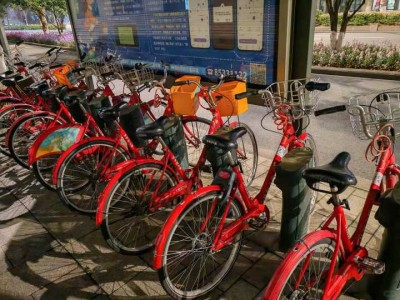
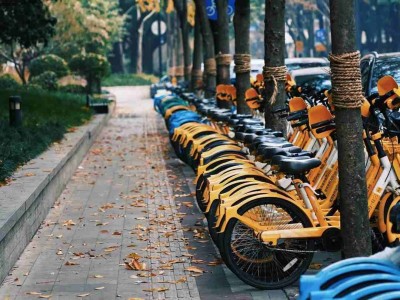
During weekends, cycling around West Lake can genuinely be faster than driving. Apps like Hello Bike and Meituan Bike are widely available throughout the city.
Experience and Features
· In Hangzhou—especially when the weather is fine—riding a shared bicycle is an excellent way to explore sites such as the West Lake and Yanggong Causeway. It allows you to leisurely admire the scenery without the frustration of traffic congestion.
· It is incredibly convenient to hop on a shared bike to reach your final destination after arriving at a subway or bus stop. Many subway station exits feature designated parking zones specifically for shared bicycles.
· You can locate nearby bikes by using the corresponding mobile app or mini-program, then unlock them by scanning a QR code. Upon completing your ride, you must park the bike at a designated "P-point" (within an electronic fencing zone); failure to do so may result in additional charges.
What tourists often underestimate
· Summer humidity
· Uphill walking near tea villages
· Scenic areas being larger than expected
Cycling Tips
· While convenient, it is essential to return your bike at designated parking spots—especially in strictly regulated areas such as scenic sites and city centers—as improper parking may result in dispatch fees.
· Hangzhou's weather can be unpredictable; it is best to check the forecast before you set out. Rainy conditions make roads slippery and can significantly diminish the cycling experience.
· During morning and evening rush hours, bikes in popular areas may be in high demand, while finding a bike in more remote locations can be challenging; therefore, advance planning is recommended.
How to Travel Between Hangzhou Attractions
Airport → West Lake
Best option:
Metro Line 19 + transfer for budget travelers
Didi for convenience and luggage
Time:
Metro: around 60–75 minutes
Didi: around 45–70 minutes depending on traffic
Cost:
Metro: around 7–10 RMB
Didi: around 100–150 RMB
What locals would do: If traveling light during daytime, many locals would simply take the metro. But after a long flight, especially at night or with luggage, most people prefer Didi directly to the hotel.
Tourist mistake:
· Taking expensive taxis without pre-booking.
· Assuming the airport is "very close." Traffic and transfers can still take time.
East Railway Station → West Lake
Best option: Metro Line 1
Time: 30–40 minutes
Cost:
Metro: around 3–5 RMB
Didi: around 30–50 RMB
Tourist mistake: Carrying luggage through busy exits.
West Lake → Lingyin Temple
Best option: Bus / Didi
Time:
Early morning: around 20–30 minutes
Peak hours/holidays: 45–90 minutes possible
Cost: ¥3–¥30
Tourist mistake:
Many visitors try to use the metro for the entire route, only to realize the final section still requires additional transport and walking.
Another common mistake is leaving Lingyin Temple right at closing time, when thousands of people try booking Didi simultaneously.
Local tip: Arriving before 8 AM dramatically reduces traffic.
West Lake → Xixi Wetland
Best option: Metro + short taxi, or direct Didi.
Time:
Metro + taxi: around 40–50 minutes
Didi: around 30–45 minutes
Cost:
Metro combination: around 10 RMB total
Didi: around 50–80 RMB
Local hack: Use Line 3 or 19.
Many locals combine Xixi Wetland with a relaxed lunch or tea break nearby rather than rushing back into downtown traffic immediately.
Tourist mistake: People often underestimate how large Xixi Wetland actually is. Even after arriving, there's still a lot of internal walking and boat transportation involved.
Downtown → Longjing Tea Villages
Best option: Didi
Time: 30–50 minutes depending on location and traffic.
Cost: ¥40–¥70
Local hack: Go early to avoid crowds.
Locals often take Didi into the tea villages, then slowly walk downhill through the scenic tea paths afterward.
Tourist mistake: Going by bus — slow and infrequent. Tea villages are beautiful but less transportation-friendly than central Hangzhou.
Best Transport for Different Travel Styles
Late-night arrivals: Didi or taxi. Late-night metro service becomes more limited, and after a long journey, navigating transfers with luggage can feel exhausting.
For families with luggage: Didi becomes much more comfortable than constant metro transfers. For parents traveling with strollers or luggage, short Didi rides often reduce stress dramatically.
Budget travelers: Metro and buses are extremely affordable. A full day of metro rides may cost less than a single taxi ride in many Western cities.
First-time visitors: Metro + occasional Didi is the easiest combination. This balance keeps transportation simple without making the trip feel rushed.
Solo female travelers: Metro, licensed taxis, Didi. The metro is clean, well-lit, and heavily used by locals late into the evening. Didi is also widely considered safe, especially when using the official app with trip tracking.
Photographers / slow travelers: Walking + shared bikes create the best experience. Trying to constantly jump between attractions by taxi often makes the city feel less atmospheric.
Rainy days: Metro becomes much more reliable than road traffic.
Rain changes transportation in Hangzhou immediately. During rainy evenings, Didi demand surges and traffic slows dramatically. On these days, the metro often becomes the fastest option by far.
Chinese holidays: Walking and cycling often outperform cars around scenic areas. Locals frequently avoid driving near West Lake altogether during major holidays.
Where to Stay for Easy Transportation
Choosing the right area to stay in can completely change how easy Hangzhou feels to navigate. Many visitors focus only on hotel price or lake views, but transportation convenience often affects the trip much more than expected.
Best Area for First-Time Visitors
Longxiangqiao / Hubin Area
For most foreign travelers, this is the safest and easiest choice.
Why it works so well:
· Direct metro access
· Walking distance to West Lake
· Lots of restaurants and cafes
· Easy Didi pickup
· Active atmosphere day and night
This area creates the smoothest balance between sightseeing, food, nightlife, and transportation convenience. It's especially good for shorter trips where efficiency matters.
The downside: Hotels here can be more expensive during peak seasons.
Best Area for Easy Metro Access
Near Hangzhou East Railway Station
This area is practical rather than romantic — but surprisingly convenient.
Best for:
· High-speed train travelers
· Business travelers
· Short stays
· Day trips to nearby cities
Advantages:
· Excellent metro connectivity
· Easier airport access
· Modern hotels
· Less tourist congestion
The main downside is atmosphere. It feels much more modern and business-oriented compared with staying near West Lake.
Best Area for Slow Travel
Northwest West Lake
This part of the lake feels quieter, greener, and more local.
Best for:
· Slow travelers
· Photographers
· Couples
· Repeat visitors
Morning walks here feel dramatically calmer than the busy eastern lakefront. Transportation is still manageable, but you'll rely slightly more on walking and Didi compared with metro-heavy areas. This is the part of Hangzhou many locals personally prefer.
Areas That Feel Beautiful but Complicated
Tea villages and mountain-edge accommodations
Amazing atmosphere — but transportation becomes more dependent on Didi.
Things visitors often underestimate:
· Limited metro access
· More uphill walking
· Harder late-night transportation
· Longer Didi waits during rain
· Fewer English-friendly services
These areas are best for travelers specifically wanting:
· Nature
· Tea culture
· Quiet scenery
· Slower experiences
They are less ideal for first-time visitors trying to maximize convenience.
How to Pay for Transportation in Hangzhou
One of the biggest adjustments for foreign travelers in Hangzhou is realizing how cash-light the city has become. In daily life, most locals now pay for almost everything using their phones — including metros, taxis, buses, shared bikes, convenience stores, and even small street-side shops. The good news is that transportation payments in Hangzhou are now much more foreigner-friendly than they were a few years ago. But there are still a few important things travelers should prepare before arriving.
Can foreigners use Alipay?
Yes — and you absolutely should set it up before arriving if possible. Most transportation in Hangzhou now depends heavily on mobile payment.
Once connected to an international bank card, Alipay can usually handle:
· Metro rides
· Bus payments
· Didi rides
· Shared bikes
· Taxi payments
· Convenience store purchases
For transportation specifically, Alipay makes the entire city feel dramatically easier to navigate because you no longer need to worry about exact cash, ticket machines, or language barriers during payment.
WeChat Pay Setup
WeChat Pay also works throughout Hangzhou, and many locals use it even more frequently than Alipay. However, foreign travelers often find Alipay slightly easier for transportation-related features. That said, having both apps is ideal. Why?
Because occasionally:
· Certain taxis prefer WeChat Pay
· Small shops may scan only one payment platform
· One app may temporarily fail while the other works
Local tip:
Don't wait until landing at the airport to configure payment apps. Airport Wi-Fi setup, SMS verification, and international banking confirmation can become frustrating after a long flight.
International Cards: Visa, Mastercard & Apple Pay
Foreign cards are becoming more accepted in China, but travelers should still adjust expectations.
Visa & Mastercard
Many international cards now work when linked through: Alipay/WeChat Pay. This is the most reliable way to use foreign banking systems in China. Direct card tapping, however, is still inconsistent in many places.
For example:
· Some metro ticket machines accept cards
· Others may not
· Small taxis often won't accept direct card payment
Because of this, mobile wallet integration remains much smoother than relying on physical cards alone.
Apple Pay in Hangzhou
Apple Pay works in some situations, but it's not something most locals rely on for transportation.
It may work at:
· Certain convenience stores
· Some larger retail chains
· Selected transportation terminals
But for daily transportation around Hangzhou, Alipay and WeChat Pay are still far more practical. Many foreign visitors assume Apple Pay will work "everywhere" because Hangzhou is highly modern — but China's payment ecosystem evolved differently from many Western countries.
Cash Situation: Do You Still Need It?
Technically, yes. Realistically, much less than before. Most transportation in Hangzhou now functions digitally, and many locals go entire days without touching cash. However, carrying a small amount of RMB is still smart for:
· Emergency taxi situations
· Backup payment
· Older drivers
· Technical app failures
· Rural tea village shops
Important reality:
Some taxi drivers may not have enough change for large bills. So if carrying cash, smaller notes are much more useful than large denominations.
Metro QR Codes: The Easiest Way to Use the Metro
For most foreign travelers, QR code entry becomes the simplest metro solution.
Instead of:
· Buying individual tickets
· Dealing with machines repeatedly
· Carrying transport cards
You can simply:
· Open Alipay
· Activate the Hangzhou metro QR code
· Scan directly at the gate
It feels surprisingly seamless once set up properly.
Why tourists like this system
· Faster station entry
· No language stress
· No ticket confusion
· Easy transfers
For visitors staying several days, this becomes much more convenient than buying single tickets every ride.
What happens if your phone dies?
This is one of the most overlooked transportation problems in China. In many countries, a dead phone is annoying. In Hangzhou, a dead phone can suddenly affect almost everything.
Without your phone, transportation suddenly becomes much harder because:
· Metro QR codes disappear
· Payment apps stop working
· Didi access disappears
· Translation apps vanish
Because transportation is so connected to mobile apps, battery management becomes genuinely important.
What locals usually carry
· A power bank
· Charging cables
· Backup payment methods
especially during long sightseeing days.
Essential Apps for Getting Around Hangzhou
Navigation: Go-to Choices — Amap (Gaode) & Baidu Maps
In Hangzhou, the user experience for Amap and Baidu Maps is remarkably similar; they are largely interchangeable and serve as the top choices for getting around.
Public Transport Essentials
Both apps are deeply integrated into Hangzhou's public transportation network. When searching for a route, they clearly indicate which bus or subway line to take, how many transfers are required, and even specify the exact platform where you should wait—offering exceptional precision.
Real-time Bus & Subway Tracking
You can view the real-time location of vehicles and their estimated arrival times. No more standing around aimlessly at the stop; simply plan your departure time before you leave to arrive just as your ride pulls up.
Taxi & Ride-Hailing Services
Both apps feature built-in taxi functions, allowing you to summon a ride-hailing vehicle with a single tap. Pricing is transparent, making the process convenient and hassle-free.
Shared E-Bikes
Hangzhou's shared electric bikes are incredibly convenient. The map apps display nearby available bikes and designated parking zones directly on the screen; simply scan the QR code to unlock and ride—perfect for short-distance connections.
Scenic Area Mode
For major attractions like West Lake or Lingyin Temple, the apps offer a dedicated "Scenic Area Mode." This feature recommends specific sightseeing routes and clearly marks key points of interest—such as attractions and restrooms—providing a truly thoughtful and user-friendly experience.
Smart Route Planning
Want to visit West Lake, Lingyin Temple, or a museum? Simply enter your destination, and the app will plot the optimal route for you—whether you are walking, cycling, or taking public transport—presenting all options at a glance.
Dining Recommendations
Looking for a place to eat? The apps recommend unique local eateries based on your current location. You can also browse reviews and ratings left by other users, helping you steer clear of any culinary disappointments.
Google Maps: Use with Caution in China
The user experience for Google Maps within China is suboptimal; data updates are often delayed, and navigation features occasionally malfunction. It is therefore recommended that you prioritize using Amap or Baidu Maps instead.
Apple Maps—Works surprisingly well in China
A fact many people are unaware of is that Apple Maps relies on a partnership with Amap for its map data within mainland China. This means that the map information and business locations you see are all sourced from Amap. However, the route-planning algorithms are Apple's own; consequently, the overall user experience differs from using Amap directly.
Strengths of Apple Maps
· Clean, ad-free interface
· Seamless ecosystem integration
· Robust privacy protection
Weaknesses of Apple Maps
· Lacks practical features
· Route planning can sometimes be "unintelligent"
· Information updates are not always timely
· Weak public transit functionality
Simply put, within China, Apple Maps can be viewed as a "streamlined, ad-free version of Amap"—it is perfectly adequate for basic daily navigation, though it lacks some of the more advanced, cutting-edge features.
All in all, when in Hangzhou, simply having either Amap or Baidu Maps installed on your phone is sufficient; they are capable of perfectly meeting all your needs, from daily commuting to sightseeing.
Offline Map Tips Most Travelers Forget
Offline preparation matters much more in China than many visitors expect. Even though Hangzhou is highly modern, there are still moments where your signal weakens, roaming becomes unstable, or your battery suddenly drops much faster than expected — especially around tea villages, scenic hills, underground metro stations, or rainy-day travel.
Screenshot Your Hotel Address in Chinese
Before leaving your hotel each day, save a screenshot of your hotel name, Chinese address, and nearest metro station. This becomes extremely useful if your signal weakens, your phone battery gets low, or a taxi driver cannot understand English. Around places like West Lake, simply showing the Chinese address often solves problems much faster than trying to explain verbally.
Save Key Metro Stations Offline
Large metro stations in Hangzhou can be more confusing than visitors expect. Saving screenshots of station names, transfer lines, and exit numbers helps a lot, especially near railway stations and busy shopping districts where the wrong exit can add another 10 minutes of walking.
Download Offline Translation Before Arriving
Download Chinese offline language packs before your trip, not after landing. They become very useful when ordering taxis, communicating with drivers, or navigating underground metro stations where signals sometimes weaken.
Carry a Power Bank Every Day
In Hangzhou, your phone is basically your wallet, metro card, map, and Didi app combined. Many travelers only realize how important a power bank is after spending a full day around West Lake or tea villages with almost no battery left.
Translation Apps That Actually Help in Hangzhou
Google Translate
Google Translate is still very useful for quick transportation situations like showing taxi destinations, reading menus, or translating signs. The camera feature works well for metro stations and restaurant menus, but downloading offline Chinese beforehand is highly recommended.
DeepL
DeepL usually provides more natural English translations, especially for hotel instructions or longer text. However, for fast transportation situations, most travelers still rely on quicker apps like Google Translate.
Built-In Phone Translation Features
The built-in translation tools on iPhones and Android phones are often enough for simple transportation communication. In many cases, showing a translated sentence or destination name to a metro staff member or Didi driver works surprisingly well.
Microsoft Translator
Offers an excellent conversational translation experience, supporting multi-participant dialogue modes. It features rapid translation speeds and impressive accuracy, making it ideal for scenarios requiring in-depth communication.
Baidu Translate
Provides exceptionally robust support for the Chinese language, proving particularly useful for non-native speakers seeking to grasp Chinese cultural nuances and context. Its photo translation and real-time interpretation features are highly practical, capable of meeting the majority of communication needs encountered during travel.
Nihao China
A comprehensive, all-in-one app designed specifically for international visitors, integrating functions such as payment services, transportation assistance, and translation tools. However, user reviews for the app are somewhat polarized; it serves as a viable alternative option to consider.
Useful Tips From Buer China Travel
After helping many foreign travelers explore Hangzhou, we've noticed that most transportation problems don't come from the metro or Didi themselves — they usually come from small misunderstandings about how the city actually works. These are the mistakes and local realities that visitors often discover only after arriving.
Don't Rely Only on Google Maps
Many travelers use Google Maps to walk around West Lake and assume the estimated walking time is accurate. But in reality, scenic areas in Hangzhou often involve underground crossings, crowded lakeside paths, or park entrances that are farther apart than they appear on the map. It's very common for visitors to think a destination is "10 minutes away" and end up walking much longer, especially near tea villages or large metro stations.
Avoid Taking Taxis Directly Around West Lake During Holidays
During weekends and Chinese holidays, traffic around West Lake can become extremely slow. Many visitors try to take Didi between nearby scenic spots, only to spend 30 minutes sitting in traffic for a distance that could have been walked in 15 minutes. Locals usually avoid calling taxis directly from crowded lakefront areas and instead walk a few streets away before booking a car, which makes pickups much faster and easier.
Don't Stay Too Far From Metro Stations
Some hotels near tea villages or mountain areas look peaceful online, but transportation can become inconvenient very quickly. For example, after dinner or evening sightseeing, visitors staying far from metro lines often discover that Didi wait times become longer and fewer taxis are available nearby. This is especially frustrating during rainy weather or after long sightseeing days when nobody wants extra uphill walking.
Be Careful During Rush Hour
Hangzhou feels relaxed most of the day, but rush hour changes the atmosphere completely. A route that normally takes 20 minutes can suddenly take nearly an hour during weekday evenings. Many tourists accidentally leave places like Lingyin Temple around 5 PM and end up stuck in heavy traffic together with local commuters heading home.
Don't Assume All Payment Methods Work Everywhere
Although mobile payment is extremely common in Hangzhou, not every situation works exactly the same way. Some visitors arrive assuming foreign credit cards alone will be enough, then realize certain taxis, bike-sharing apps, or smaller local shops only work smoothly through Alipay or WeChat Pay. Having at least one backup payment method makes transportation much less stressful.
Metro Exits Matter More Than You Think
Large metro stations in Hangzhou can have exits spread across several city blocks. Many travelers leave from the wrong exit near shopping districts or West Lake and suddenly find themselves walking another 10 minutes in the opposite direction. This happens especially often around busy stations connected to underground malls where exits look surprisingly similar.
Rain Changes Transportation Completely
Rain changes Hangzhou traffic much more dramatically than most visitors expect. Once heavy rain begins, Didi demand rises quickly, scenic roads slow down, and taxis become harder to book. A ride that normally takes 25 minutes can easily double during rainy evenings, especially around West Lake and downtown areas. On these days, locals usually rely more on the metro and avoid unnecessary cross-city travel.
Frequently Asked Questions
Can foreigners use Didi in Hangzhou?
Yes — the app supports English and foreign phone numbers.
Is Hangzhou metro easy for English speakers?
Yes — full English signs and announcements.
Do taxis take credit cards?
Most do not — use Alipay or cash.
What's the cheapest way to get around Hangzhou?
Metro + walking + shared bikes.
Is public transport crowded?
Metro gets busy during rush hour but manageable.
Can I use Apple Maps?
Yes, but Amap is more reliable.
How late does the metro run?
Until around 23:00.
Is Hangzhou walkable?
Very walkable — especially around West Lake.
Stay near West Lake or metro?
Near both is ideal. If you must choose: metro for mobility, lake for scenery.
Do I need cash?
Recommended for backup — but not required if you have Alipay.
The best way to experience Hangzhou is not necessarily the fastest. Some of the city's most memorable moments happen while slowly moving between places — walking beside West Lake at sunset, cycling past tea hills after rain, or taking a quiet Didi ride through tree-lined streets late at night. Visitors who rush only from attraction to attraction often miss what makes Hangzhou feel different from other cities in China. Once you understand the rhythm of transportation here, the city becomes much easier — and much more enjoyable — to explore.