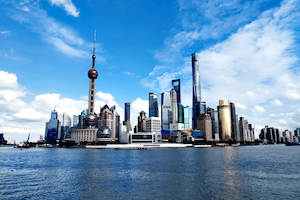
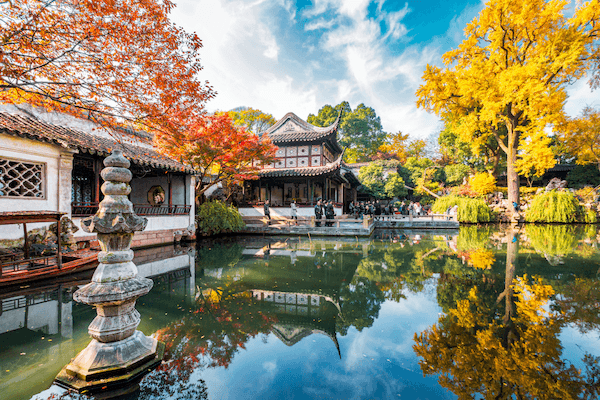
Planning a day trip from Shanghai to Hangzhou? The high-speed train makes it fast, convenient, and affordable. Catch a direct high-speed train from Shanghai and be in Hangzhou in just 45 minutes—you can leave Shanghai's modern skyline behind and step into Hangzhou's peaceful Jiangnan charm—perfect for a weekend getaway, a day trip, or a quick business excursion.
But how do you choose the right train, buy tickets easily, and make the most of your time in Hangzhou? In this guide, we'll walk you through train stations, schedules, booking tips, and the best ways to explore the city—so your day trip is smooth, stress-free, and unforgettable.
High-Speed Train Between Shanghai and Hangzhou
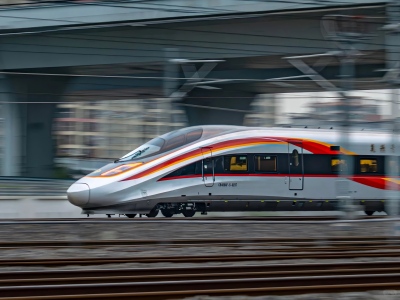
With frequent departures and short travel times, the high-speed train from Shanghai to Hangzhou is one of the fastest and most convenient ways to travel between the two cities. Covering a distance of around 170 km (105 miles), the journey takes approximately 45 minutes to 1.5 hours, depending on the train type.
This route offers a smooth, comfortable, and efficient connection between two major cities in East China, making it ideal for day trips, weekend getaways, or short business travel. This guide covers key details such as schedules, ticket booking, stations, and practical travel tips to help ensure a smooth journey.
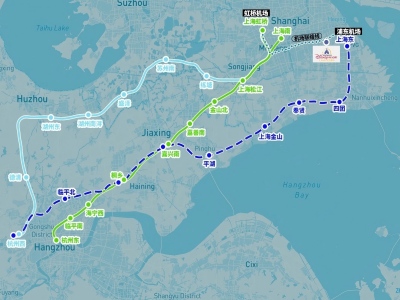
Travel Distance & Duration (Shanghai–Hangzhou Train)
Why Take the High-Speed Train from Shanghai to Hangzhou?
Fast and efficient: Direct high-speed trains connect Shanghai and Hangzhou in as little as 45–60 minutes
Highly convenient: Frequent daily departures from major stations like Shanghai Hongqiao make planning flexible and easy
Affordable: Multiple ticket classes available, including second class, first class, and business class
Comfortable: Modern trains feature spacious seating, clean facilities, and a smooth ride, with Wi-Fi available on some services
Frequent departures: Trains run every 10–20 minutes during peak hours
Extended service hours: Early morning departures and late-night services are available daily
Fast direct routes: Most Fuxing high-speed trains complete the journey in about 45 minutes between Shanghai Hongqiao and Hangzhou East
Holiday adjustments: Additional trains are added during peak travel periods such as Spring Festival, May Day, and National Day
Real-time updates: Timetables can be checked via the 12306 official app or website, or other trusted travel platforms
Shanghai to Hangzhou High-Speed Train Schedules & Seating Options
The Shanghai–Hangzhou high-speed rail line is one of the busiest routes in China, directly connecting two major cities in the Yangtze River Delta. With over 120 daily trains, services are frequent, flexible, and well-suited for different travel plans.
Passengers can choose from a wide range of departure times throughout the day, making it easy to plan both early morning trips and late evening returns.
First and Last Trains bewteen Shanghai & Hangzhou
Shanghai → Hangzhou
The earliest high-speed train departs around 05:52 from Shanghai Hongqiao Railway Station to Hangzhou East, taking about 45 minutes. The latest service runs at around 22:55 from Shanghai South Railway Station, with a travel time of approximately 70 minutes.
Hangzhou → Shanghai
The first train leaves around 06:07 from Hangzhou East Railway Station to Shanghai Hongqiao, with a journey time of about 45 minutes. The last departure is around 22:45, returning to Shanghai South Railway Station in roughly 70 minutes.
High-Speed Train Seating Options
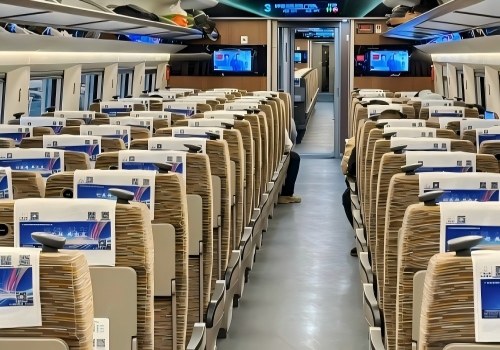
1. Second Class (Standard Seating)
Standard 3+2 seating layout, making it the most affordable and widely used option on China's high-speed trains.
Seat positions include A/F (window seats), C/D (aisle seats), and B (middle seat).
Best suited for budget-friendly and efficient travel, while still offering a comfortable high-speed rail experience.
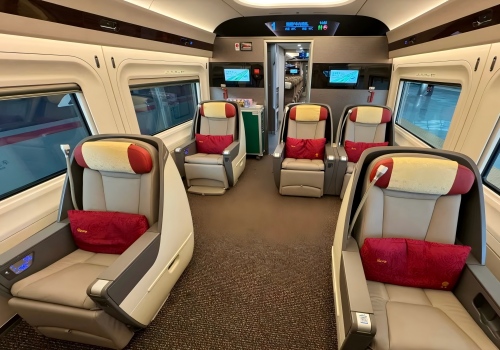
2. First Class
Standard 2+2 seating layout, offering more space and a quieter cabin compared to Second Class.
Seats are wider with more legroom, and each row includes A/F (window seats) and C/D (aisle seats).
Best suited for a more comfortable and relaxed journey, ideal for longer rides or added comfort.
3. Business Class
Premium 1+2 seating layout, providing the most spacious and luxurious option on high-speed trains.
Seats are fully reclining with extra legroom, and typically include window and aisle seats with maximum privacy.
Best suited for a premium travel experience, with enhanced comfort, privacy, and service throughout the journey.
How to Book Shanghai to Hangzhou Train Tickets
Traveling between Shanghai and Hangzhou by high-speed train is one of the fastest, most convenient, and cost-effective options. The journey takes as little as 45 minutes, offering a smooth and comfortable ride with scenic views along the way, without traffic delays or complicated transfers.
Ticket Prices (Shanghai–Hangzhou High-Speed Train)
Ticket prices vary depending on seat class, train type, and departure station. Below is a general price range in CNY (Chinese Yuan):
| Class | Price Range (CNY) | Price Range (USD) | Travel Time | Best For |
|---|
| Second Class Seat | ¥73 – ¥90 | $10 – $13 | 45–60 minutes | Budget trips / daily commuters / most visitors |
| First Class Seat | ¥117 – ¥150 | $17 – $22 | 45–60 minutes | Extra comfort / business trips / families |
| Business Class Seat | ¥220 – ¥416 | $32 – $60 | 45–60 minutes | Premium experience / VIP guests / maximum comfort |
1) Second Class: CNY 73 – 90
Most popular and budget-friendly option, ideal for short trips
2) First Class: CNY 117 – 150
More spacious seating with extra comfort and legroom
3) Business Class: CNY 220 – 416
Premium service with reclining seats, privacy, and extra space
Overall, high-speed trains offer the best balance of price, speed, and comfort compared to taxis, private transfers, or long-distance buses.
Shanghai–Hangzhou Train Ticket Booking Guide
1. Official 12306 Website or App: The most reliable booking platform for China trains. Supports international bank cards (Visa, Mastercard, AmEx), Chinese bank cards, Alipay, and WeChat Pay, Real-time schedules and seat availability and tickets can be booked in advance
2. Online Travel Platforms:Platforms such as Trip.com or Ctrip (Fliggy) provide English interfaces. Easy for international users, supports multiple payment methods and it's more user-friendly than the official system
3. Station Ticket Counters: Tickets can be purchased directly at train stations; Self-service machines often include English language support and staff assistance available if needed.
4. Booking Assistance Service: Professional booking support is available if needed; Helps avoid payment issues or sold-out situations and ensures a smoother and stress-free booking experience. Useful during peak travel periods.
China Train Ticket Change & Cancellation Policy
Ticket Changes
Changes must be made at least 30 minutes before departure. You can switch to another train on the same day or a different date, subject to seat availability.
Ticket Cancellation Policy
8 days or more before departure: Full refund, no fee
2–7 days before departure: Small cancellation fee applies
Less than 2 days before departure: Higher cancellation fee applies
Important Note for Booking Train Tickets
Refund and change policies may vary slightly depending on ticket class and train type (Second Class, First Class, or Business Class). Always review your ticket conditions before making any changes.
Shanghai & Hangzhou Train Stations Travel Guide
Both Shanghai and Hangzhou have convenient transportation systems, making travel between the two cities fast and easy. Choosing the right station based on your accommodation or itinerary can save time and enhance your trip experience. All major train stations in Hangzhou offer English-friendly services, public transportation links, and essential facilities to ensure a smooth journey.
Main Train Stations in Shanghai
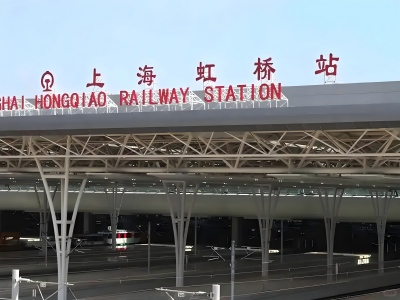
Shanghai Hongqiao Station
The city's primary high-speed rail hub and the most important departure point in Shanghai.
Handles the majority of G- and D-series high-speed trains, including the fastest routes to major cities such as Beijing, Hangzhou, Suzhou, and Nanjing
Offers the highest frequency of departures and the most efficient connections
Best choice for travelers looking for speed, convenience, and modern facilities
Shanghai South Station
A secondary high-speed rail station serving selected intercity routes.
Operates some C-series intercity trains and a limited number of D-series services
More convenient for travelers staying in southern Shanghai or nearby districts
Generally less crowded compared to Hongqiao, with more localized routes
Shanghai Station
A traditional central station with mixed rail services.
Provides limited high-speed rail connections, mainly on select routes
Focuses more on regional and conventional train services
Suitable for travelers staying in downtown Shanghai (Zhabei / Jing'an area) or nearby hotels
Main Train Stations in Hangzhou
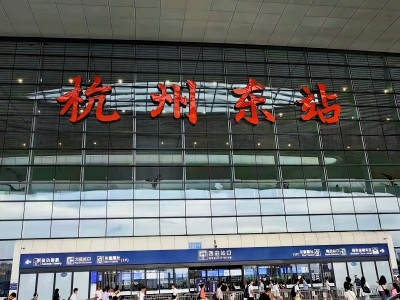
Hangzhou East Railway Station
The main high-speed rail hub of Hangzhou and the city's busiest transport gateway.
Handles most G- and D-series high-speed trains connecting Hangzhou with Shanghai, Beijing, and other major cities
Located about 8 km (5 miles) from West Lake
Well-connected via metro lines and public transport, making it easy to reach the city center and major attractions
Best overall choice for most arrivals and departures
Hangzhou Railway Station
A centrally located station with the most convenient access to the West Lake area.
Only about 2 km (1.2 miles) from West Lake, the city's most famous scenic spot
Ideal for travelers who want to reach West Lake and downtown attractions quickly
Smaller than Hangzhou East but very convenient for short stays and sightseeing-focused trips
Hangzhou West Station
A newer high-speed rail station serving the western part of the city.
Located around 15 km (9.3 miles) from West Lake
Mainly serves high-speed rail routes and supports growing travel demand in western Hangzhou
Better suited for accessing Hangzhou's western districts and emerging business areas, rather than central sightseeing
How to Store Your Luggage at Shanghai & Hangzhou Train Stations
Traveling between Shanghai and Hangzhou? You can lighten your load with luggage storage services at all major high-speed train stations. Options include self-service lockers and staffed counters, with fees based on bag size and storage duration.
1. Required Documents for Luggage Storage
If you choose a staffed luggage storage counter, please prepare the following:
Staff may record your details before accepting your luggage, so having your documents ready will help speed up the process.
2. Items Not Allowed for Storage
For safety reasons, station luggage storage services do not accept certain items, including:
Sharp objects (e.g. knives, scissors)
Flammable or explosive materials (e.g. gas, fireworks, aerosols)
Liquids that are hazardous or unsealed
Valuable items such as: Cash, Jewelry, Electronics (laptops, cameras, phones)
It is strongly recommended to keep valuables with you at all times.
3. Alternative Luggage Storage Options
If the station storage is full or unavailable, you can consider the following alternatives:
Convenience stores near the station
Many larger stores in China offer paid luggage holding services for short periods.
Hotels
Most hotels provide free luggage storage for guests before check-in or after check-out. Some may also accept storage for non-guests, depending on policy.
Third-party luggage lockers or apps
In major cities, you may also find app-based luggage storage services near transport hubs and tourist areas.
4. Storage Duration and Fees
Luggage storage duration typically depends on the station and service type:
Short-term storage: Usually up to 24–48 hours
Hourly rates: Common in lockers or automated storage systems
Long-term storage: May be available with advance arrangement at selected stations or facilities
Fees vary by city and luggage size, so it' s best to confirm on-site before storing your items.
Tips for a Smooth Luggage Storage Experience
To avoid delays or inconvenience, keep these practical tips in mind:
Use lockers for small bags and staffed counters for larger suitcases
Arrive early during peak travel seasons, as storage spaces may be limited
Always keep your receipt or storage slip, as it is required for pickup
Double-check storage closing time to avoid late pickup issues
If traveling during holidays, consider alternative storage options in advance
Essential Tips for Traveling from Shanghai to Hangzhou by Train
Traveling from Shanghai to Hangzhou by high-speed train is one of the fastest and most convenient ways to explore East China. The journey takes around 45–90 minutes, making it ideal for a day trip. To help you travel smoothly, here are some essential tips.
1. Essential Travel Tips
Bring valid identification
All passengers, including international travelers, must carry a valid passport. It is required for ticket verification, station entry, and boarding.
Keep luggage light and manageable
High-speed trains have overhead racks and luggage spaces between carriages. Small to medium suitcases and backpacks are recommended. Always keep your valuables and essentials with you.
Prepare snacks and drinks
Food and beverages are available on board, but options may be limited and slightly more expensive. You may bring your own light snacks and drinks (avoid strong-smelling food for comfort).
Plan for peak travel times
Stations like Shanghai Hongqiao and Hangzhou East can be very busy. To avoid stress:
If you miss your train
Don't panic. Go to the ticket service counter immediately to rebook the next available train. High-speed trains between Shanghai and Hangzhou run very frequently throughout the day.
2. Step-by-Step Guide: Shanghai → Hangzhou High-Speed Train
Step 1: Book Your Ticket:Reserve your ticket in advance via the 12306 app or travel platforms. Early booking helps secure your preferred departure time.
Step 2: Prepare Your Passport:Your passport is required for station entry, security check, and boarding.
Step 3: Arrive Early:Arrive at the station at least 40–60 minutes before departure, especially during weekends or holidays.
Step 4: Find Your Waiting Area:Check the departure board for your train number and follow station signs to the correct waiting hall.
Step 5: Boarding the Train:When your train is called, follow signs to the correct platform. Confirm your carriage number before boarding.
Step 6: Find Your Seat:Seats are clearly labeled above or beside each seat. Place luggage in designated areas and enjoy the journey.
3. How to Find Your Seat on a Chinese Train
Understanding your ticket makes boarding very easy:
Your ticket shows train number, carriage number, and seat number (e.g., Carriage 5, Seat 12A)
Carriage numbers are displayed above platform doors and inside the station
Seat numbers are marked above or beside each seat
Seat layout system:
A / F = Window seats
C / D = Aisle seats
B = Middle seat (on 5-seat side sections)
How to Plan a Perfect Day in Hangzhou from Shanghai by Train
Looking for a quick escape from Shanghai? Hangzhou is only about 45–90 minutes away by high-speed train, making it one of the easiest and most rewarding day trips in China. You can leave in the morning, enjoy a full day of sightseeing, and return comfortably in the evening—without the hassle of long transfers or complicated planning.
Here's a simple, well-paced itinerary that reflects how locals often enjoy a relaxing day in Hangzhou.
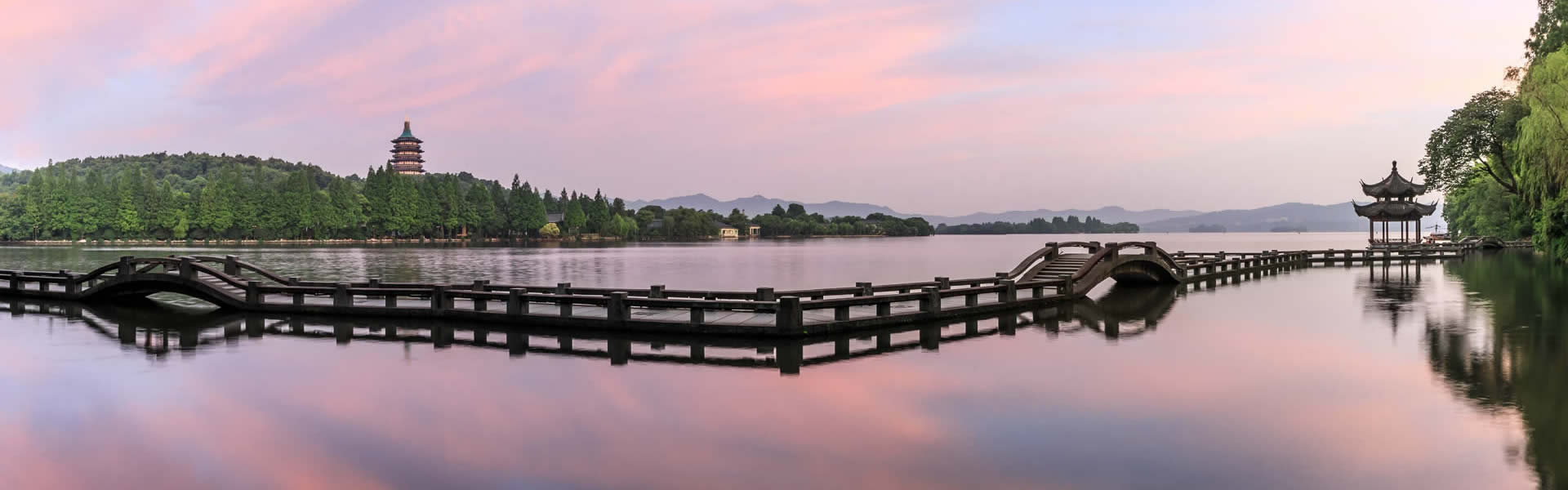
Morning: West Lake (Xi Hu) – The Iconic Start
Begin your day at the world-famous West Lake, the heart of Hangzhou.
Stroll along the scenic lakeside promenade
Admire classical bridges, pagodas, and willow-lined paths
Take a short boat ride on the lake for a different perspective
This is the perfect place to ease into your day and enjoy Hangzhou's peaceful natural beauty.
Midday: Lingyin Temple – A Peaceful Cultural Escape
Next, head to Lingyin Temple, one of the most important Buddhist temples in China.
Explore ancient halls and intricate stone carvings
Experience a calm, spiritual atmosphere surrounded by forested hills
Learn about centuries of Buddhist culture and history
It' s a quiet and refreshing contrast to the scenic energy of West Lake.
Afternoon: Tea Fields & Local Life Experience
In the afternoon, slow down and enjoy Hangzhou like a local.
Longjing Tea Fields (Meijiawu Village), you can walk through lush green tea plantations, to learn about famous Longjing (Dragon Well) tea as well as enjoy a fresh tea tasting experience in a traditional teahouse
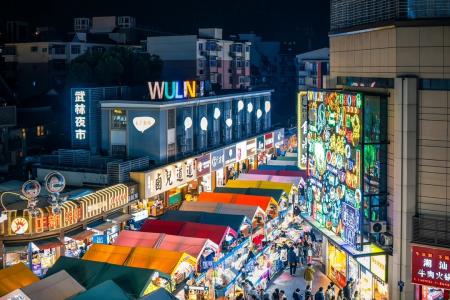
Hefang Street (河坊街), end your day with a visit to Hefang Street, a lively historical district. Featured with browse traditional handicraft shops and souvenir stores. You can try local street snacks and Hangzhou specialties and experience a vibrant mix of old culture and modern energy
A day trip from Shanghai to Hangzhou is one of the most convenient ways to experience China's Jiangnan beauty—combining nature, culture, and local lifestyle in a single journey. If you want a more in-depth experience, you can follow our Shanghai to Hangzhou day trip route, which includes West Lake, Lingyin Temple, and Longjing Tea Village, along with insider tips and hidden gems for a more immersive journey.
Recommended Trains for a Day Trip
Shanghai → Hangzhou
Hangzhou → Shanghai
High-Speed Train vs Other Transport (Shanghai–Hangzhou)
There are several ways to travel between Shanghai and Hangzhou, depending on your budget, schedule, and travel style. The two cities are only about 170 km (105 miles) apart, making them perfect for short trips or day tours. Among all options, the high-speed train is the most popular thanks to its speed, comfort, and convenience.
Shanghai to Hangzhou by High-Speed Train (Recommended Option)
Fast, easy, and most efficient way to travel
The high-speed train is the best choice for most travelers.
Travel time: 45–90 minutes
Frequency: Over 100 trains daily
Stations: Central locations (Shanghai Hongqiao / Shanghai Station → Hangzhou East / Hangzhou Station)
Convenience: Direct metro connections in both cities
Comfort: Clean, modern, and spacious seating
This option offers the best balance of speed, price, and convenience, making it ideal for day trips and first-time visitors.
Shanghai to Hangzhou by Private Transfer
Flexible and door-to-door travel option
Private transfers are ideal for families, groups, or travelers who prefer a more relaxed journey.
Travel time: Around 2–3 hours (depending on traffic)
Best for: Families, small groups, luggage-heavy trips
Advantages: Door-to-door service, flexible schedule, possible scenic stops
Disadvantages: Higher cost and potential traffic delays
This is a good option if comfort and flexibility are more important than speed.
Shanghai to Hangzhou by Long-Distance Bus
Budget-friendly but less comfortable
Buses are the cheapest way to travel between Shanghai and Hangzhou.
Travel time: 2–3 hours
Cost: Lowest among all options
Pros: Affordable and widely available
Cons: Less comfortable, slower, and less frequent departures
This option is suitable for budget travelers who are not in a hurry.
Flight (Not Recommended)
Technically possible but not practical
Although flights exist between Shanghai and Hangzhou, they are rarely used for such a short distance.
Flight time: Around 1 hour
Total travel time: Much longer due to airport transfers and check-in
Drawbacks: Higher cost, limited convenience, time-consuming process
For this route, flying is generally unnecessary compared to rail or road options.For most people, the high-speed train is the clear best choice—offering the fastest, most frequent, and most convenient way to travel between Shanghai and Hangzhou at a reasonable cost. While other transport options may suit specific needs, none can match the overall speed, comfort, and efficiency of the rail system on this route.
Summary
Traveling from Shanghai to Hangzhou by high-speed train is one of the easiest and most convenient ways to explore the beauty of China's Jiangnan region, where nature, culture, and local lifestyle come together in one journey. For practical travel details, you can refer to our Shanghai to Hangzhou Train Travel Guide, which covers ticket booking and station information.
For a more complete experience, you can also explore our Hangzhou Tour Itinerary, featuring a recommended route, top attractions, and useful travel tips for a smooth and well-planned one-day trip.