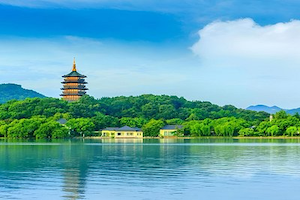
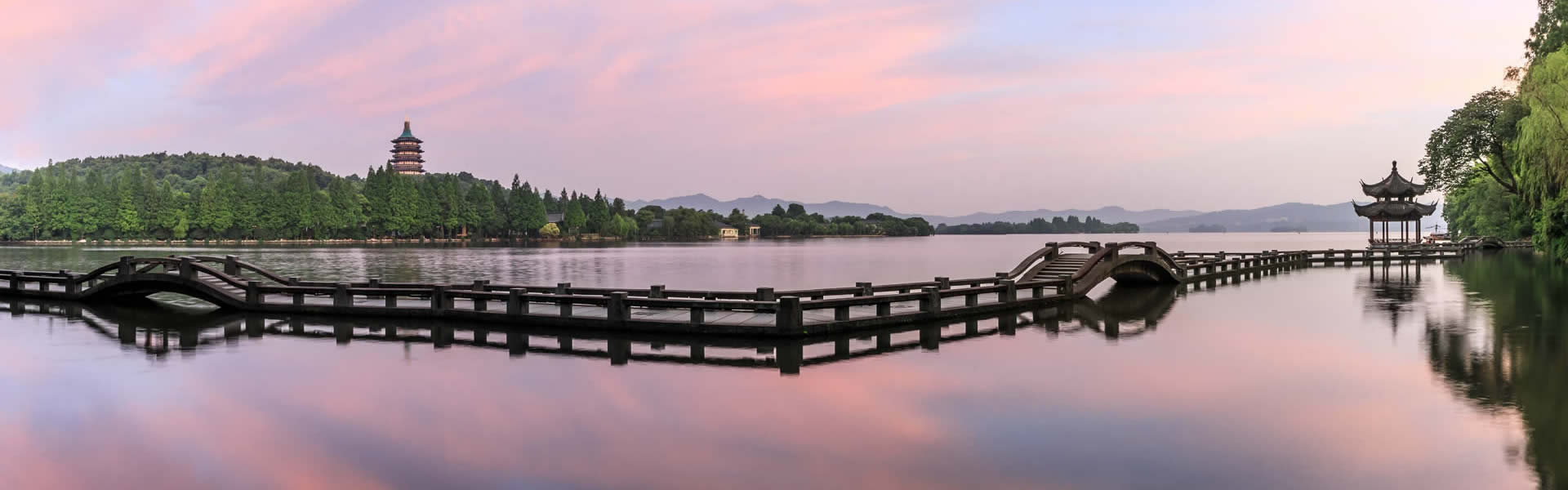
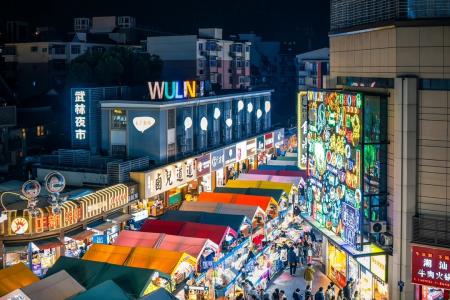
Leifeng Pagoda is one of the most recognizable landmarks around West Lake in Hangzhou, but many first-time visitors arrive here without really knowing what to expect. Some come because of the famous White Snake legend, others simply want the sunset view over West Lake, while many travelers add it to their itinerary because it appears in almost every Hangzhou guide. If you're traveling to Hangzhou, Leifeng Pagoda is more than just a tower—it's where West Lake scenery, ancient history, and the beloved Legend of the White Snake all come together. As a local-style guide, this article goes beyond basic ticket information. You'll find practical advice on how to get there, whether it's truly worth entering the tower, the best photography spots, crowd patterns, and local tips that many tourists only realize after visiting.
What You Should Know Before Visiting
Location: South bank of West Lake, Nanshan Road 15, Hangzhou
Nearest Metro: Wushan Square/ Longxiangqiao (Line1& Line7), it takes approximately 10–15 minutes to reach the destination by walking or cycling after exiting the station.
Opening Hours (2026):
· Spring (March 16 – May 31): 08:00 – 19:00
· Summer (June 1 – October 31): 08:00 – 20:00 or 21:00
· Winter (November 1 – February 15 of the following year): 08:00 – 17:30
Lighting Show: Starts at dusk (perfect for night photos)
Suggested Duration: 1 – 1.5 hours
Difficulty: Easy, with elevators inside
Best For: Sunset chasers, photographers, culture lovers
What Is Leifeng Pagoda?
Leifeng Pagoda is much more than a scenic tower beside West Lake. For many Chinese visitors, it represents one of the country's most famous love legends, while for travelers, it's one of the best panoramic viewpoints in Hangzhou.
The Story Behind Leifeng Pagoda
The pagoda was originally built during the Wuyue Kingdom period over 1,000 years ago. Over time, it became deeply connected with the famous Legend of the White Snake, one of China's best-known folk stories. According to the legend, the monk Fahai imprisoned the White Snake spirit, Bai Suzhen, beneath Leifeng Pagoda after she fell in love with a human man. Even today, many Chinese visitors associate the tower with themes of love, sacrifice, and tragedy rather than simply architecture. This emotional connection is part of why Leifeng Pagoda feels different from many other tourist attractions in China. It carries a strong storytelling atmosphere, especially during rainy weather or evening hours when the lake becomes quieter.
The Original Tower vs Today's Pagoda
One thing many foreign visitors don't realize is that the current Leifeng Pagoda is not the original ancient structure.
The original tower collapsed in 1924 after centuries of damage and stone removal by locals who believed the bricks carried spiritual meaning. The modern pagoda standing today was rebuilt in 2002. Because of this, some travelers are surprised by how modern the interior feels. Elevators, exhibition halls, and modern construction materials are all part of the current experience.
However, the site still preserves underground palace relics and historical remains discovered during reconstruction. For most visitors, the real value of Leifeng Pagoda is not ancient architecture authenticity, but the combination of history, legend, and one of the best elevated views over West Lake.
Is Leifeng Pagoda Worth Visiting?
This is probably the most common question travelers ask before visiting. The short answer is yes — especially if it's your first time in Hangzhou. But the experience depends heavily on your expectations and visiting time.
Who Will Probably Love It
Leifeng Pagoda is especially worth visiting for:
· First-time visitors to Hangzhou
· Sunset photographers
· Couples looking for scenic walks
· Travelers interested in Chinese legends and storytelling
· Visitors wanting a panoramic view over West Lake
If you enjoy atmosphere more than strict historical authenticity, there's a good chance you'll enjoy the experience.
Who May Feel Underwhelmed
Some travelers may leave slightly disappointed, especially if they expect:
· An untouched ancient pagoda interior
· A quiet historical site during midday
· A purely cultural museum experience
The inside of the pagoda is relatively modern compared to traditional temples in Hangzhou like Lingyin Temple.
What Makes It Special
The reason many visitors still recommend Leifeng Pagoda comes down to the overall atmosphere. From the upper floors, you can see the curve of West Lake, distant mountains, tree-lined shorelines, boats crossing the water, and Hangzhou's skyline all at once. Around sunset, the golden reflection on the lake combined with the pagoda lighting creates one of the most iconic evening scenes in the city. Unlike many viewpoints that only offer scenery, Leifeng Pagoda also carries strong cultural symbolism because of the White Snake legend. That emotional layer makes the visit feel more memorable.
What Some Visitors May Not Like
To keep expectations realistic:
· Midday crowds can become heavy
· Summer afternoons feel hot and exposed
· The interior feels modern rather than ancient
· Holiday elevator lines can become long
This is why locals often recommend coming during late afternoon instead of earlier in the day.
Leifeng Pagoda Ticket Guide
Leifeng Pagoda Ticket Price
Ticket prices are generally around 40 RMB for adults. Prices may vary slightly during certain events or holidays.
Where to Buy Tickets
Reservation Method: We strongly recommend making a reservation in advance using your real name via the "Leifeng Pagoda Scenic Area" Mini Program on WeChat—especially during public holidays, when ticket availability is extremely limited.
On-site Ticket Purchase: If you have not made an online reservation in advance, tickets may also be purchased at the on-site ticket windows.
Payment: Mobile payments like Alipay and WeChat Pay are widely accepted. Foreign travelers without Chinese payment apps can usually pay with cash or international cards depending on current ticket system availability.
Do You Need to Book in Advance?
On normal weekdays, advance booking is usually unnecessary. However, during major Chinese holidays such as National Day or Labor Day, online reservations may save significant waiting time.
What's Included in the Ticket?
Your ticket generally includes:
· Entry into the pagoda
· Elevator access
· Underground palace relic area
· Buddhist and cultural exhibitions
· Observation floors with panoramic views
Is It Worth Paying to Enter?
This depends on your travel style. If you mainly want exterior photos of the pagoda beside West Lake, you can actually enjoy beautiful scenery from nearby parks without entering. However, if you want the elevated sunset experience and panoramic lake views, entering the tower is absolutely worth it. The upper viewing floors are what make many visitors remember Leifeng Pagoda long after their trip.
How to Get to Leifeng Pagoda
By Bus
This is the most reliable method, as there are multiple bus stops near the Leifeng Pagoda covering a variety of routes.
Jingsi Temple Stop: Take bus routes 31, 52, 1314, or others to this stop; the Leifeng Pagoda Scenic Area is located right where you alight, making it extremely convenient.
Longxiang Bridge Stop: Take bus route 4 to this stop, then walk for approximately 5–10 minutes to reach your destination.
No. 1 Park Stop: Take bus route 1314 to this stop; it is also situated not far from the scenic area.
Digital Tourism Special Line: This is a dedicated route that operates exclusively on public holidays and weekends. Departing from Wulin Square West, it passes through Qingbomen and offers a direct connection to the vicinity of the scenic area.
By Metro
· Take Metro Line 1 or Line 7 to Longxiangqiao Station, exit via Gate A, and walk for approximately 30 minutes to reach your destination; alternatively, you can transfer directly to Bus Route 4 within the station.
· Take Metro Line 7 to Wushan Square Station, exit via Gate C, and ride a shared bicycle for about 8 minutes to arrive.
By Taxi or Didi
Taxis and Didi ride-hailing are very convenient in Hangzhou. However, traffic around Nanshan Road becomes noticeably heavier near sunset and during weekends. If you plan to arrive around golden hour, leaving earlier is recommended.
Local Tip: Traffic restrictions are implemented in the vicinity of the scenic area during the peak tourist season, making it relatively difficult to catch a taxi at that time.
By Bike (Highly Recommended)
Cycling around West Lake is one of the best ways to experience Hangzhou. Many visitors rent shared bikes and slowly ride from Broken Bridge toward Leifeng Pagoda. Depending on stops and photo breaks, the ride usually takes around 30–50 minutes. Late afternoon is especially enjoyable because temperatures are cooler and the lighting becomes softer.
Walking Routes From West Lake Attractions
Leifeng Pagoda combines very naturally with nearby scenic areas.
From Su Causeway—A relaxing lakeside walk with changing lake perspectives.
From Long Bridge Park—One of the best routes for sunset photography.
From West Lake Boat Pier—Many visitors combine a boat ride with an evening pagoda visit.
Recommended Evening Walk:
Leifeng Pagoda → Long Bridge Park → Hubin lakeside night area, This route allows you to experience sunset, blue hour, and West Lake night scenery in one continuous walk.
Best Time to Visit Leifeng Pagoda
Sunset (Most Recommended)
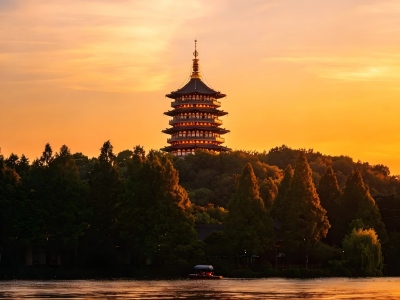
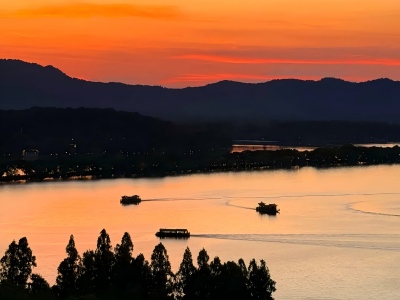
If you only visit once, sunset is easily the best time. About one hour before sunset, the light over West Lake becomes softer and warmer. As the sky darkens, city lights begin reflecting on the water while the pagoda itself gradually lights up. Many tourists leave immediately after sunset, but locals often stay longer because the blue hour — roughly 20–30 minutes afterward — is usually even more beautiful. This is when the lake reflections become richer and the atmosphere feels calmer.
Early Morning
Morning visits offer a completely different feeling. The area is quieter, the air is clearer, and the pathways around West Lake feel more peaceful. For travelers who dislike crowds or enjoy photography without heavy tourist traffic, early morning can be ideal.
Rainy or Misty Days
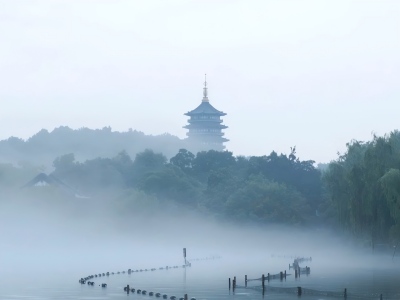
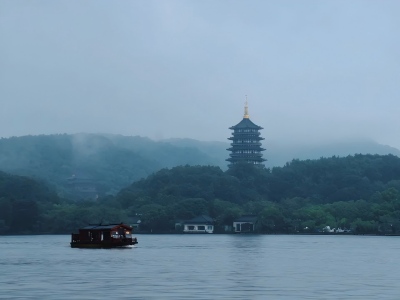
Many visitors assume rainy weather ruins West Lake plans, but locals often disagree. Light rain or mist actually creates a more classic Jiangnan atmosphere around Leifeng Pagoda. Fog drifting across the lake combined with the pagoda silhouette feels far more cinematic than bright midday sunlight. After rain, reflections on the pathways and lake surface also improve photography dramatically.
Seasons Compared
Spring:
Spring is when Leifeng Pagoda feels the most traditionally "Hangzhou." The trees around West Lake turn green again, flowers begin blooming near the southern lake area, and light mist often appears in the mornings. This is also when the famous poetic atmosphere of West Lake becomes easiest to understand. Temperatures are comfortable for long walks, though weekends can become crowded during peak flower season.
Best for: first-time visitors, photography, relaxed walks, classic West Lake atmosphere.
Summer:
Summer around West Lake is vibrant and lively, especially when lotus flowers bloom across the lake. However, midday heat can feel intense around Leifeng Pagoda because parts of the area have limited shade. Locals usually avoid the hottest hours and visit closer to sunset instead. Summer evenings are much more enjoyable, with warm air, busy lakeside activity, and beautiful reflections after the pagoda lights turn on.
Best for: sunset visits, lotus season, lively evening atmosphere, night photography.
Autumn:
Autumn is widely considered the best season to visit Leifeng Pagoda. The weather is cooler, skies are often clearer, and sunset visibility tends to be better than in summer. The lighting around West Lake also becomes softer and more golden, which makes photography especially rewarding. Crowds are still present, but the overall experience feels more comfortable and less exhausting.
Best for: panoramic views, clear sunsets, comfortable walking weather, overall balance.
Winter:
Winter gives Leifeng Pagoda a calmer and more local feeling. Tourist numbers drop significantly outside major holidays, and the lakeside paths become much quieter. On misty days, the pagoda can feel almost cinematic against the gray winter sky. While the trees are less colorful, many travelers enjoy the peaceful atmosphere and slower pace during this season.
Best for: avoiding crowds, quiet photography, moody scenery, slow travel experiences.
Inside the Pagoda Experience
Approaching the Pagoda
One of the nicest parts of the experience is approaching the pagoda from the lakeside. As you walk closer, the tower gradually rises above the trees while the light changes across the lake. During sunset, reflections begin appearing on the water and the atmosphere becomes much more dramatic. This gradual approach is part of why many visitors enjoy the area even before entering.
Inside the Tower
The inside surprises many first-time visitors because it feels much more modern than expected. There are elevators connecting multiple levels, exhibition spaces explaining the site's history, and preserved underground relic areas. As you move higher, the perspective over West Lake slowly opens wider floor by floor.
Reaching the Top
The upper viewing levels are where the experience becomes most memorable. Suddenly, West Lake feels much larger and more connected than it does from ground level. You can see Su Causeway, distant mountains, city buildings, tree-lined paths, and boats all within the same view. Many visitors end up staying longer than planned simply because the panoramic scenery changes constantly with the lighting.
Best Photo Spots Around Leifeng Pagoda
Jingci Temple — Sakyamuni Hall
Why Visit: The Sakyamuni Hall marks the exact spot—widely shared online—that offers the absolute best vantage point for photographing the Leifeng Pagoda.
Photography Tips: Shoot from inside the hall, framing the Leifeng Pagoda through the wooden doors; alternatively, shoot from outside using a telephoto lens. In the late afternoon, you can capture the stunning "Leifeng Pagoda in the Sunset" scenery.
Leifeng Pagoda — Top-Floor Observation Deck
Why Visit: Offers a 360-degree panoramic vista, allowing you to take in the entire picturesque tableau of West Lake at a glance. On clear evenings, the atmosphere is truly magical.
Photography Tips: Use a wide-angle lens to capture landmarks such as the Su Causeway, the Three Pools Mirroring the Moon, and the Baoshu Pagoda. Even on overcast days, the scenery evokes the poetic aesthetic of traditional ink-wash paintings.
Leifeng Pagoda — Xizhao Pavilion (Sunset Pavilion)
Highlights: The Xizhao Pavilion is a classic, quintessential spot for viewing the "Leifeng Pagoda in the Sunset." Here, golden afterglow intertwines with an orange-red sky, offering excellent opportunities to capture stunning, high-quality photos.
Local Tip: It is recommended to visit between 3:00 PM and 4:00 PM to avoid peak crowds and to utilize the natural lighting to capture the most exquisite interplay of light and shadow.
Leifeng Pagoda — Foundation Ruins Level
Highlights: This level preserves the original foundation and underground crypt ruins of the thousand-year-old pagoda. It offers a direct, visual demonstration of the ancient brick-and-stone construction techniques, imbuing the space with a profound sense of history.
What to Do: From the Foundation Ruins Level, you can look down upon the original pagoda base. Protected by a glass enclosure, the intricate brickwork structure of the original Northern Song Dynasty pagoda remains clearly visible.
Long Bridge Photography Angle
Highlights: The lakeside areas near Long Bridge Park create some of the best reflection photos during sunset. Long Bridge offers one of the classic pagoda compositions seen in many Hangzhou postcards. Best for telephoto compression shots.
Night View Spots
Highlights: After the pagoda lights turn on, the atmosphere becomes much more dramatic.
Best time: 20–40 minutes after sunset.
Crowd Levels Explained Like a Local
Time | Crowd Levels |
9AM | Usually comfortable and relatively quiet. |
11AM–3PM | Typically the most crowded period, especially during weekends. |
Sunset | The best scenery but also increased visitor numbers. |
After 7PM | Night atmosphere improves significantly and some crowds begin thinning. |
Local Tip: If possible, weekdays provide a noticeably calmer experience compared to weekends.
Useful Tips From Buer China Travel
Enter about one hour before sunset for the best overall experience
This is usually the best balance between lighting, temperature, and crowd levels. If you arrive too early, the afternoon light can feel harsh and flat, especially during summer. Arriving about an hour before sunset gives you enough time to slowly walk around the lakeside, explore the inside of the pagoda, and still catch the transition from golden hour to blue hour.
Rainy weather often creates a more authentic Jiangnan atmosphere
Many first-time visitors try to avoid West Lake on cloudy or rainy days, but locals often feel the opposite. Light mist and rain create a softer Jiangnan atmosphere around Leifeng Pagoda, especially when the tower appears through fog over the lake. Reflections on wet stone pathways and calmer crowds also make photography feel much more cinematic.
Avoid Holiday Elevator Rush Hours
During Chinese national holidays and weekends, elevator lines inside the pagoda can become surprisingly long around sunset. If you visit during peak seasons, it's better to either enter slightly earlier or stay later into the evening after some tour groups leave.
The south side of the area is usually quieter than the north side
Most visitors gather near the main entrance and the northern lakeside area. If you walk farther toward the southern side pathways, the atmosphere becomes noticeably calmer. This side also offers more relaxed walking areas and fewer people blocking photo angles.
The pagoda becomes more photogenic after the lights turn on
A lot of tourists leave immediately after sunset, but the atmosphere often becomes more beautiful afterward. Once the pagoda lights reflect across West Lake and the sky turns deeper blue, the scenery feels far more dramatic than during daylight. This short blue-hour period is when many photographers stay the longest.
You do not necessarily need to enter the tower for good photos
If you are short on time or simply prefer outdoor scenery, you can still enjoy beautiful views without buying a ticket. Some of the most iconic Leifeng Pagoda photos are actually taken from lakeside areas nearby rather than from inside the tower itself.
Long Bridge Park often offers better pagoda photography angles than Broken Bridge
Many first-time visitors automatically go to Broken Bridge because it's more famous, but Long Bridge Park usually provides a cleaner composition of Leifeng Pagoda with fewer crowds. During sunset, the reflection angles from this area are especially photogenic.
FAQ
Is Leifeng Pagoda free?
The surrounding West Lake area is free, but entering the pagoda
Can foreigners buy tickets easily?
Yes. Foreign travelers can usually purchase tickets onsite.
Is Leifeng Pagoda worth visiting at night?
Yes. Many visitors feel the evening atmosphere is actually better than daytime.
Can you see the whole West Lake from the top?
You can see a very wide panoramic section of West Lake and surrounding areas.
Do I need cash?
Not necessarily. Mobile payments are widely accepted, though carrying some cash is still useful.
Is it crowded during sunset?
Yes, sunset is the most popular time, especially on weekends and holidays.
Is Leifeng Pagoda suitable for elderly travelers or kids?
Yes. The pagoda has elevator access, and the walking paths nearby are relatively easy compared to some hill-based attractions in Hangzhou.
Is Leifeng Pagoda good for solo travelers?
Definitely. Many solo travelers enjoy visiting during sunset because the area feels safe, walkable, and relaxing, especially when combined with a slow evening walk around West Lake.
What makes Leifeng Pagoda memorable is not simply the tower itself. It's the combination of West Lake scenery, changing evening light, Hangzhou's slow atmosphere, and the emotional connection many people have with the White Snake legend. If you arrive expecting only an ancient pagoda, the experience may feel different from what you imagined. But if you come during the right time of day, slow down, and experience the lakeside atmosphere around sunset, it becomes much easier to understand why Leifeng Pagoda remains one of Hangzhou's most iconic places. For many locals and repeat visitors, it's still one of the best places around West Lake to end the day.